
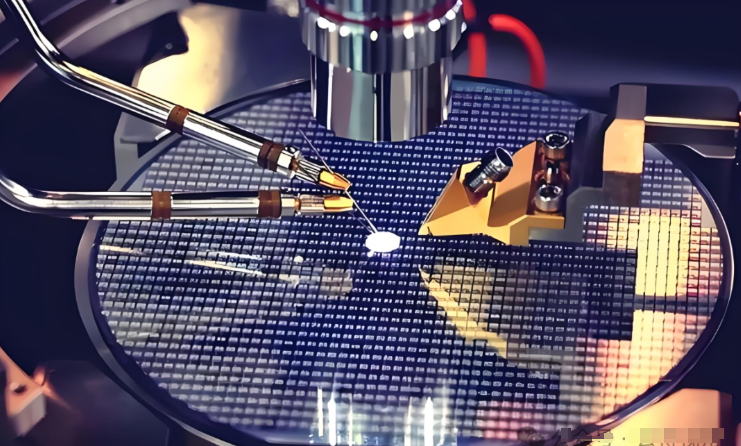
Why we’re switching to IR Curing in Wafer Fab
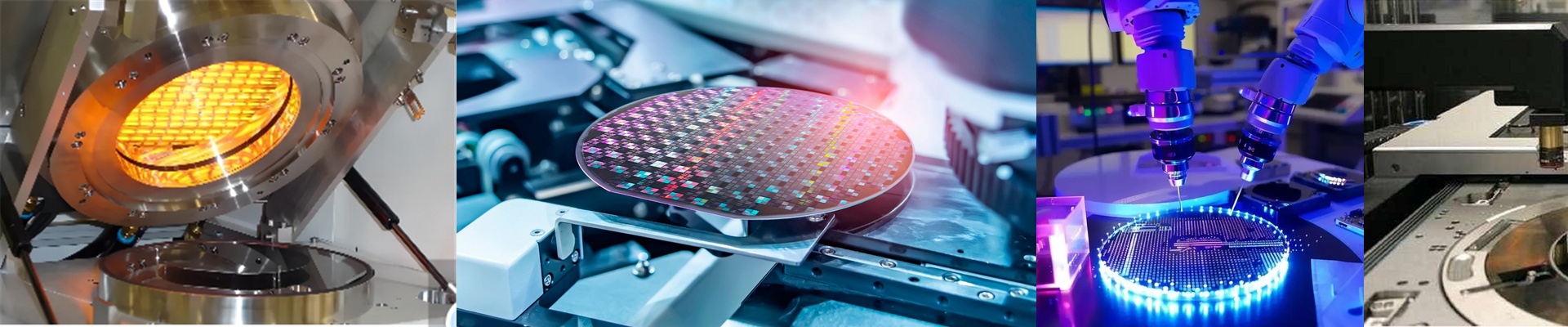
Switching from solvent-based drying to infrared (IR) curing isn’t just about jumping on a bandwagon. It’s actually a pretty simple matter of physics. Instead of heating up an entire room just to dry a tiny wafer, we use IR sensors and emitters to hit specific molecular vibrations in the coating. It’s a direct hit. Because the energy goes straight where it needs to go, we can ditch those nasty chemical catalysts and lead-based stabilizers that used to be the norm in old thermal setups.
Cutting the energy waste
Think about a traditional convection oven. It spends a massive amount of energy just heating up the air around the product. It’s wasteful. IR is different. We send electromagnetic radiation straight to the wafer surface. You don’t have to wait hours for a giant oven to reach temperature. You just flip a switch, and the emitters are ready to go in seconds. And because we use short-wave IR, the energy punches through the photoresist or adhesive layer fast. This means shorter cycles. Less time under the lamp means fewer kilowatt-hours on your power bill per wafer. It just makes sense.
Staying clean and lead-free
If you’re working with lead-free standards, your temperature window is tiny. If you get too hot, you’ll damage the substrate or deal with “outgassing”—where chemicals start venting in ways you don’t want. To stop that from happening, we use closed-loop sensors that watch the wafer surface in real-time. If the temp drifts, the system tweaks the power instantly to keep things within a tight ±1°C margin. It’s a relief, honestly. You don’t need those heavy-metal stabilizers anymore just to keep the oven from overheating. You get a clean process that actually follows global environmental rules without the headache.
The reality check
Now, IR curing is fast, but it’s not magic. There is a catch: “skinning.” Since the heat is so intense, the top layer can cure way faster than the bottom. If you aren’t careful with where you put your sensors or how far away your emitters are, you’ll end up with uneven curing. And if your line isn’t dialed in perfectly? You’ll see stress fractures in the wafers. It takes a bit of calibration to get it right, but once you do, it’s a completely different experience.