Stop the Shrapnel: Why Your IR Emitters Need Ceramic End Caps
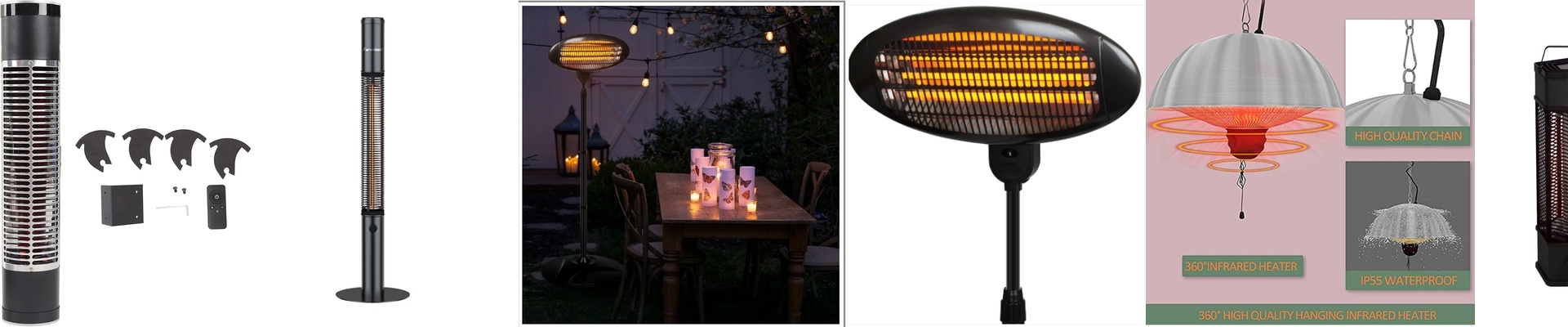
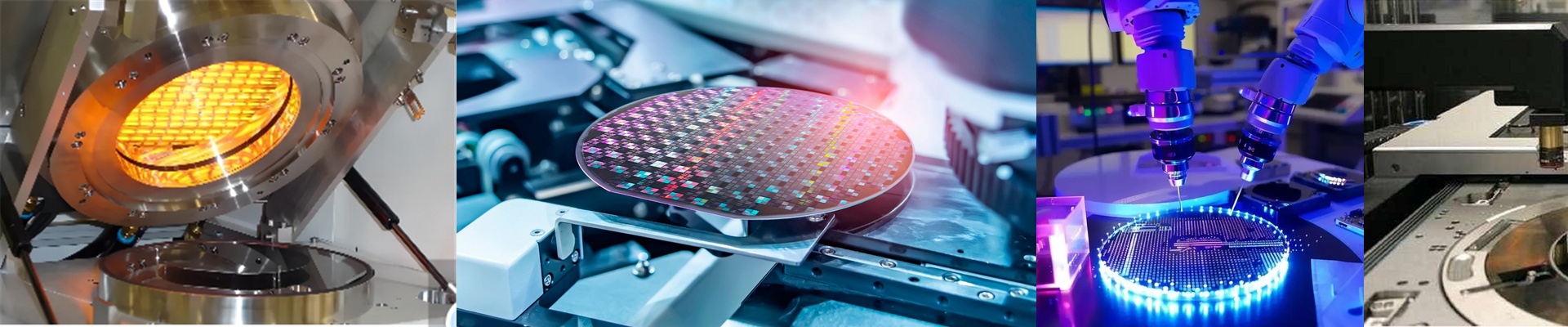
If you’ve ever worked in high-load semiconductor production, you know the feeling. That sudden, sinking gut-punch when an IR lamp bursts. It’s not just about the downtime. When a quartz tube goes, it doesn’t just “stop working.” It basically turns into a grenade, showering your wafers in glass shards and metallic junk. Suddenly, you’re dealing with secondary contamination that absolutely kills your yield. It’s a nightmare. We figured out a way to stop that from happening by putting high-purity ceramic end caps on our IR emitters. The logic is pretty simple. Most standard lamps use basic pinch seals. The problem? Constant thermal cycling puts a ton of stress on those seals until they eventually crack. We use ceramic caps to keep the electrical connections separate from the quartz envelope. Ceramics love the heat—they don’t warp or freak out when things get hot. Think of them as a physical bulkhead. If the filament burns out or the tube cracks, the cap holds the debris in. It keeps the lamp from collapsing inward or exploding outward. Keeping things clean. We specifically chose materials for these caps that won’t “outgas” in a cleanroom. You won’t have weird chemical vapors drifting onto your wafers while you’re ramping up. Plus, by locking down the lamp’s footprint, you can stop worrying about “shrapnel” hitting your substrate. A few things to keep in mind. Now, it’s not a magic fix without trade-offs. These caps add a few millimeters to the length of the emitter. If your chassis is tight, you’ll want to double-check your housing clearances before you try to swap these into an old rig. They aren’t always a perfect drop-in replacement. Also, because there’s a bit more mass, the thermal inertia changes slightly. You might need to spend a few minutes retuning your PID controllers to handle the way heat soaks into the ends of the tube. And a quick tip: stick to the voltage specs. If you try to overdrive the lamp to squeeze out more heat, you’re still putting stress on the quartz. The ceramic caps won’t stop the failure, but they’ll make sure that when it does happen, the mess stays localized.