
IR Heating vs. Hot Air: Why the Switch Matters for Semi Packaging
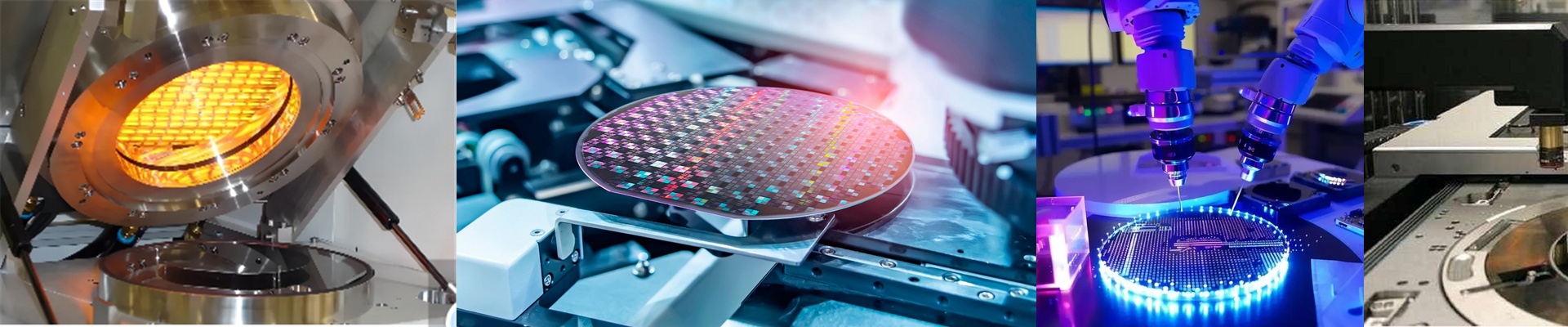
When you’re dealing with smart sensor processing, every second you waste is basically money leaking out of the building. For a long time, we’ve leaned on hot air circulation, but moving toward infrared (IR) heating is really just about killing the lag. Think about how hot air works. You heat the air, then the air has to heat the part. It’s like trying to warm up a room with a space heater—it takes forever. IR is different. It cuts out the middleman. The energy goes straight from the lamp to the substrate. It’s instant. With a hot air oven, you’re stuck waiting for the whole chamber to stabilize. Even then, the heat creeps in slowly. You often end up with a “shell” effect where the outside is hot, but the core of the component is still cold. We use IR lamps to hit the specific absorption bands of the packaging materials. The energy just sinks in. This turns “soak times” that used to take minutes into a matter of seconds. If you’re running a high-volume line, that speed boost lets you push way more units per hour without having to buy a bigger factory. But look, IR isn’t some magic fix. It’s aggressive. Because it hits so hard and so fast, it’s easy to overshoot your target temperature if your PID controllers aren’t dialed in perfectly. Hot air is forgiving—it’s a slow burn. IR is more like a precision strike. If you aren’t paying attention to your sensor feedback, you risk scorching the dies. There’s also the power side of things. You aren’t just warming a big box of air anymore; you’re concentrating high-wattage lamps over tiny areas. That puts a lot more stress on your wiring, and you’ll need decent heat shielding so you don’t melt the rest of your machine. The real beauty, though, is how it fits into the line. Instead of one giant, hulking oven, you can set up modular IR banks. You can tweak the intensity for different stages of the process. And here’s the best part: if a lamp burns out, you just swap that one tube and keep moving. You don’t have to shut down a whole convection chamber and wait hours for it to heat back up.