Keeping Things Safe While Heating Wafers in Volatile Zones
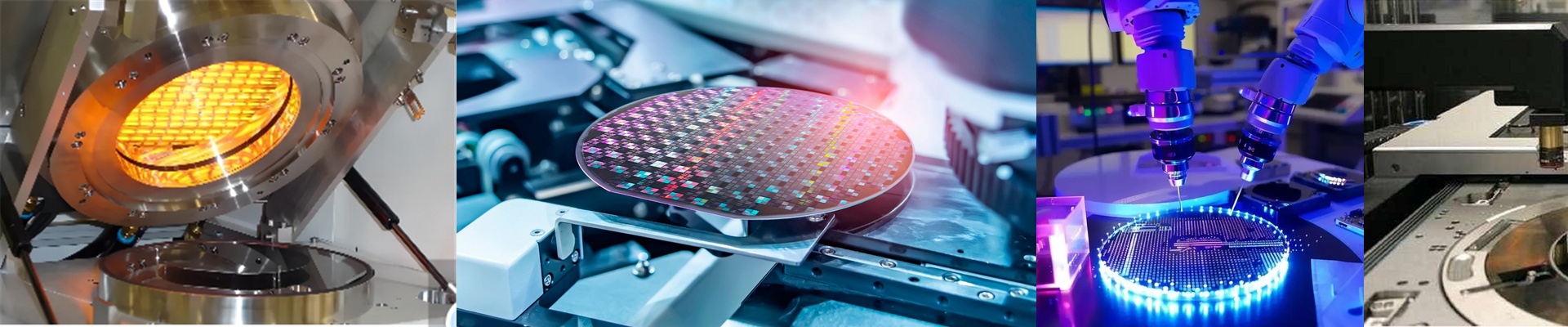
Let’s be honest: heating wafers in a chemical cleaning zone is a bit like playing with fire. When you’ve got flammable vapors floating around, one stray spark or a thermal runaway isn’t just a technical glitch—it’s a disaster. To stop that from happening, we stopped using open-element lamps. Instead, we switched to encapsulated infrared (IR) systems. Here is how it actually works.
The Secret is in the Seal
We don’t just leave the quartz tube out in the open. That’s asking for trouble. Our lamps are wrapped in a sealed, high-grade quartz or sapphire envelope. Think of it as a protective skin that keeps the electrical filaments away from the air. This keeps corrosive cleaning agents from touching the guts of the lamp. We also use hermetic seals at the electrode junctions. Why? Because if chemicals seep into the wiring, they’ll eat through it in no time.
Managing the Heat (and the Risk)
You can’t just slap a high-wattage IR lamp right next to a tank of volatile chemicals. That’s a recipe for an explosion. We figure out the safe distance by looking at the lamp’s peak radiance and the flash point of whatever chemicals you’re using. By tweaking the focal length and using reflectors, we can aim the heat exactly where it needs to go—the wafer—while keeping the rest of the housing cool enough to avoid any ignition.
The Trade-off
Nothing is perfect. Adding that protective layer between the heat source and the wafer means you lose a little bit of efficiency. You’ll notice it’s not quite as “punchy” as a bare lamp. To make up for that, you might need to bump up the wattage or let the wafer sit under the heat for a few seconds longer to hit your target temperature.
Getting It Installed Right
We use reinforced connectors on these units to stop arcing. But the real key is your grounding. Please, make sure your grounding is rock solid. A floating ground in a chemical environment is a nightmare waiting to happen. One last tip: stick an external thermocouple on the outer shell. It’s your safety net. Set it up so that if the shell gets too hot, the system trips the power immediately. Better a sudden shutdown than a fire.