
Why Aluminum Reflectors Actually Matter in IR Systems
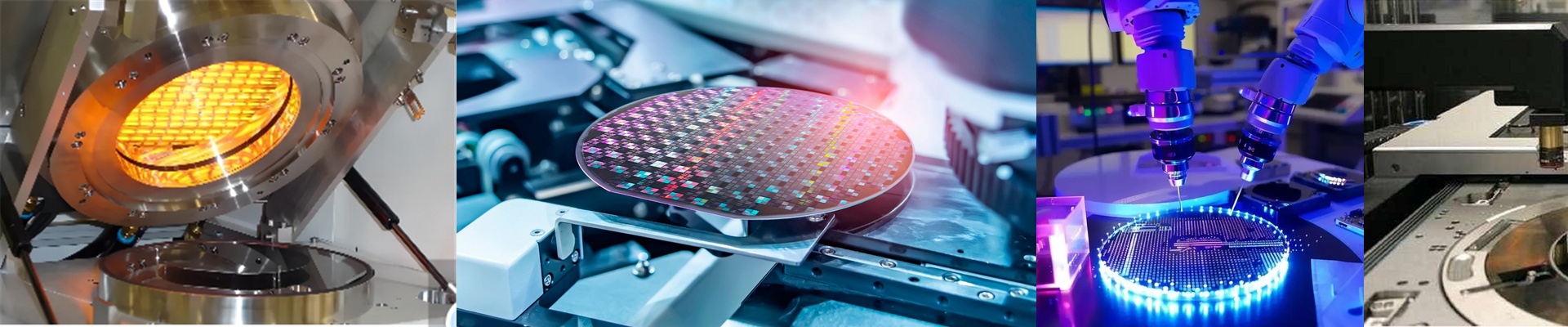
If you’ve ever dealt with hot air circulation, you know the drill. You heat the air, the air heats the part, and you wait. In semiconductor processing, that wait is a killer. It’s a massive time lag that slows everything down. Infrared (IR) heating fixes this by cutting out the middleman. It ignores the air and sends energy straight to the target via radiation. But here’s the catch: to do that without burning through your power budget, you need high-purity aluminum reflectors. The trick with the physics Think about an IR lamp. It throws energy out in every direction—a full 360 degrees. Without a reflector, half of your expensive wattage just disappears into the machine frame. Total waste. We use aluminum because it’s incredibly good at bouncing infrared light. By curving that aluminum into a parabolic or elliptical shape, we can grab that wasted energy and shove it right back onto the wafer. It turns a general “soak” into a targeted strike. Saving time (and your sanity) Hot air systems have what we call thermal inertia. If you need to tweak the temperature, you have to wait for the entire volume of air in the chamber to shift. It’s slow. IR is different. It reacts almost instantly. For anyone running a semiconductor line, this is where the real win is. You aren’t standing around waiting for a blower to move air; you’re hitting the target with photons. It means you ramp up faster, cool down quicker, and get more parts through the door. The trade-offs you should know about Now, these reflectors aren’t something you just install and forget. High-intensity lamps get incredibly hot. If you make the reflector geometry too tight, you might accidentally trap too much heat at the ends of the lamp. That’s a recipe for a burnt-out filament. It’s all about finding that sweet spot between a tight focal point and keeping the lamp cool enough to actually last. And one last thing: keep an eye on the surface. Check for oxidation every six months. If the aluminum starts looking dull, your efficiency drops. When that happens, your lamps have to work twice as hard to hit the same temperature, which just wears them out faster. Keep them shiny, and they’ll keep working.