Stop Wasting Heat on Your Hydrogen Sensors
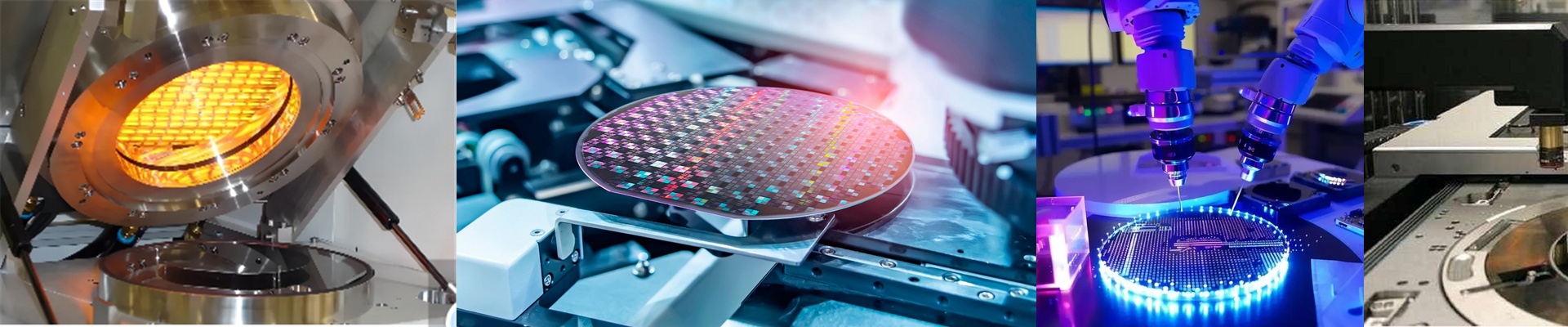
When you’re fabricating hydrogen sensors, the thermal budget is everything. If your film deposition or annealing is off by even a little, the whole wafer is a loss. The problem? Standard quartz lamps are messy. They throw heat in every single direction. If you don’t have a way to catch that energy, a huge chunk of your paid-for wattage just disappears into the machine chassis. It’s a waste. The Gold Secret We fixed this by adding a thin layer of gold to the reflector. Why gold? Because it’s incredibly reflective—nearly 99% of the infrared energy gets bounced straight back toward the wafer. Instead of heating up the room or the equipment housing, the energy actually hits the target. It’s a tighter focus. You stop fighting the machine and start putting the power where it belongs. Better Heat, Less Stress Here is the best part: because the radiation is so much more efficient, you can actually turn the lamp temperature down without slowing down your process. This is a win-win. Your lamps don’t burn out nearly as fast, and you get a much smoother heat map across the wafer. If you’ve ever dealt with the headache of uneven heating in sensor fab, you know exactly why this matters. A Quick Warning Now, you can’t just toss these into an old rig and walk away. Since the heat flux is so much more intense, you need to double-check your cooling loops. If your airflow isn’t up to the task, your controllers might start drifting. I’d suggest taking a look at your PID settings so you don’t accidentally overshoot your target temperature. Getting Started These are designed to be simple drop-in replacements for your current IR arrays. Once they’re wired up, you’ll feel the difference immediately. The ramp-up is faster, and your power bill stays lower because you aren’t fighting energy loss. It’s the easiest way to get more wafers through the door without having to rip out your entire power supply.