
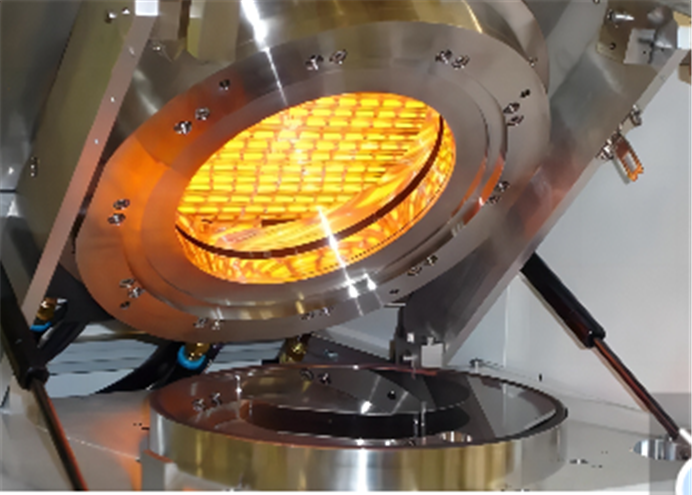
IR Heating vs. Hot Air: Stop Wasting Time on Wafer Curing
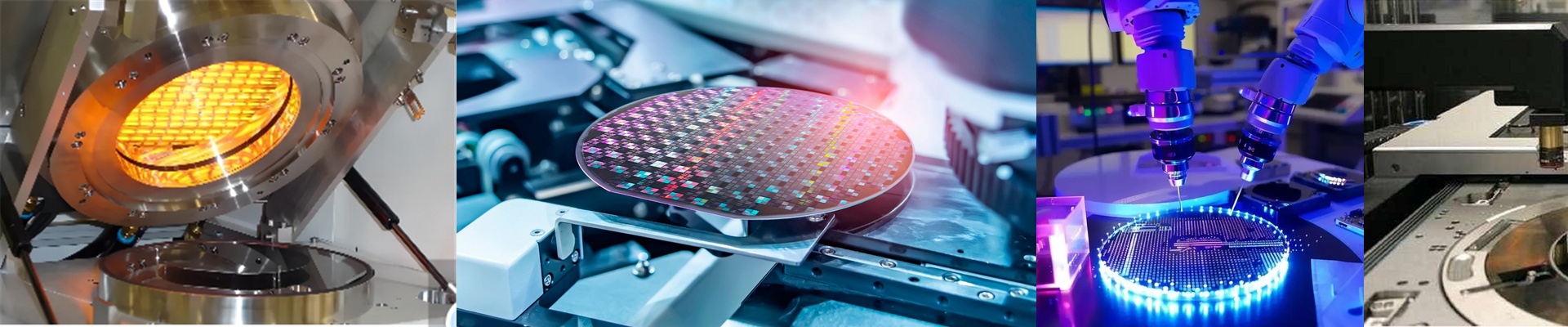
If you’re still relying on hot air circulation for semiconductor processing, you’re basically fighting a losing battle with time. Here’s the problem: air is just bad at moving heat. When you use forced convection, you have to heat the air, then the chamber, and then finally the wafer. It’s a slow process. There’s this annoying lag that eats into your production window. Cutting out the middleman That’s why we move to IR lamps. Instead of waiting for the air to warm up, IR sends electromagnetic radiation straight to the wafer surface. It’s immediate. We use specialized reflectors to keep that energy focused right where it needs to be, so you aren’t just heating up the machine’s chassis for no reason. You hit your target temperature in seconds. When you stop waiting for the ramp-up, your hourly throughput just climbs. It’s all about the reflectors The real magic happens in the reflector design. If you use a cheap one, you’re basically throwing half your power away. We use high-reflectivity coatings to bounce every single photon back onto the wafer. This creates a dense, tight heat profile. It means the wafer cures evenly and—more importantly—it doesn’t warp. The catch Now, this isn’t a magic wand. There are trade-offs. High-density IR lamps get incredibly hot. If your reflectors are slightly off or your cooling fans can’t keep up with the load, you’re going to melt your lamp sockets or warp the housing. You have to be smart about balancing that raw power with a cooling system that can actually handle it. The reality on the floor For anyone tired of the slow crawl of convection heating, IR is the way to go. It shrinks the size of your curing station and kills that “time tax” you pay when using air. Wire it up, tune those reflectors, and watch your cycle times drop.