
Stop Heating Your Equipment (And Start Heating Your Wafers)
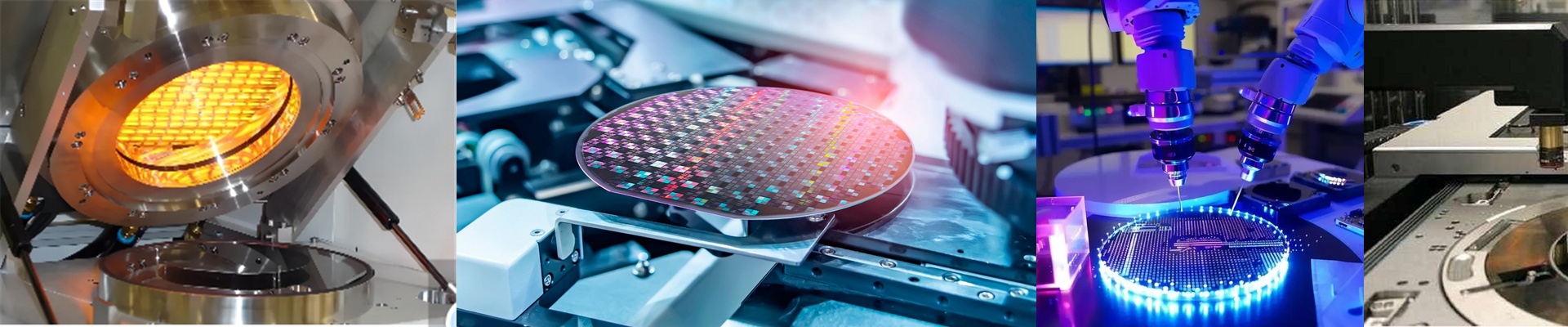
If you’ve ever used standard resistive heating, you know the drill. You’re trying to heat a wafer, but you end up heating the entire internal chamber instead. It’s a waste of power, and honestly, it’s a pain. Nobody likes dealing with equipment walls that get dangerously hot to the touch. We figured there was a better way. Instead of warming up all the air around the part, we use directional infrared (IR) lamps. **Here’s the trick:**these lamps shoot electromagnetic radiation straight at the wafer. Because we use short-wave IR, the energy ignores the surrounding air and goes right into the material. The result? Your wafer gets the heat it needs, but the outer skin of the machine stays cool.
The Nitty-Gritty
We don’t use cheap glass here. These lamps are wrapped in high-density quartz so they don’t crack when you’re cycling temperatures up and down quickly. To make it even more efficient, we play around with the focal length and add a reflective backing. This concentrates the heat exactly where it belongs. You get a tight, precise thermal footprint without the “bleed” into other areas. A quick heads-up on the hardware: we use specific connectors to make sure everything stays plugged in, even if your line has a lot of vibration. Also, if you’re swapping these into an old system, double-check your voltage. High-wattage lamps get you to your target temperature incredibly fast, but they can put a real strain on your power supply.
The Trade-offs
Now, it’s not magic. There are a few things you have to watch out for. The biggest hurdle is uniformity. Since the heat is so targeted, alignment is everything. If your lamp is off by just a few millimeters, you’ll end up with temperature gradients across the wafer. You’ll need to spend a little extra time during installation getting the lamp position and reflector angle just right to avoid those annoying cold spots. And don’t forget about your venting. Even though the walls stay cool, the wafer itself is getting hit with concentrated heat. If your vacuum system isn’t up to the task, you might deal with some outgassing from adhesives or contaminants. Just make sure your vacuum specs can handle the peak temperature you’re aiming for.