
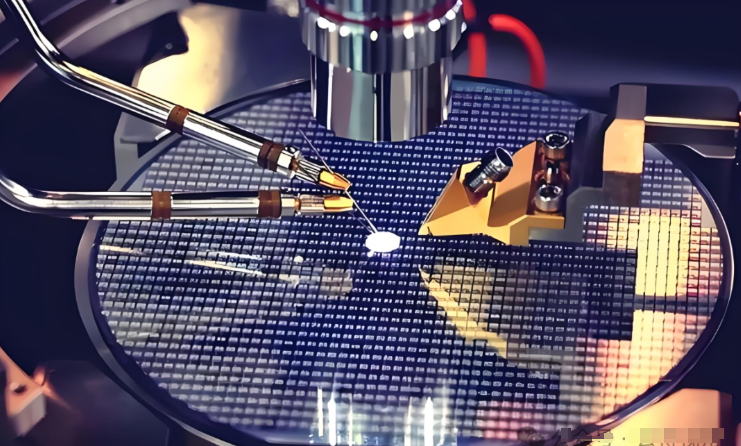
Stop Your Wafer Tools From Overheating
Ever notice how standard infrared heating just… floods everything? It’s like trying to light a candle with a flamethrower. You want the wafer hot, but instead, the entire vacuum chamber soaks up all that radiant energy. That “stray heat” is a nightmare. It turns your expensive tool chassis into a giant heat sink, leading to thermal drift and—worst of all—a real risk of someone getting burned on the shop floor. We figured out a better way: directional heating.
How it actually works
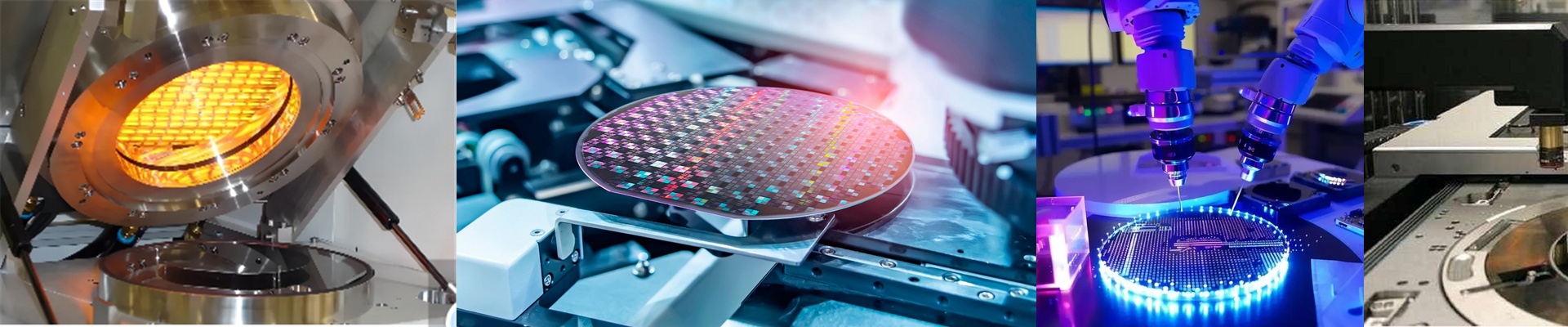
Instead of blasting heat in every direction, we use short-wave IR lamps and precision reflectors. Think of it like switching from a lightbulb to a laser. We beam the energy straight onto the wafer surface. The result? Your chamber walls stay chill. You still get those lightning-fast ramp-up speeds you need for RTP, but you aren’t cooking the tool housing in the process.
The nitty-gritty (and the trade-offs)
We use high-wattage quartz tubes because they pack a punch. They’re designed for high power density, so your wafer hits the target temp in a matter of seconds. But here is the thing: you have to keep an eye on your cooling loops. Because the beam is so concentrated, the heat flux at the focal point is intense. If your cooling system can’t handle those peak loads, you’ll end up with localized hot spots on the wafer. It’s a trade-off, but one that’s easy to manage if your specs are right.
Making the shop floor safer
When the walls stop absorbing waste heat, the outside of the machine stays cool to the touch. That’s a huge win for the people loading the tools or performing maintenance. No more dodging hot surfaces. Plus, your seals and gaskets will actually last. Usually, these parts fry way too early because they’re constantly baked by indirect heat. Now, they can just do their job. The best part? These are drop-in replacements. You just wire them into your existing controllers and suddenly your thermal footprint is much tighter. Simple.