
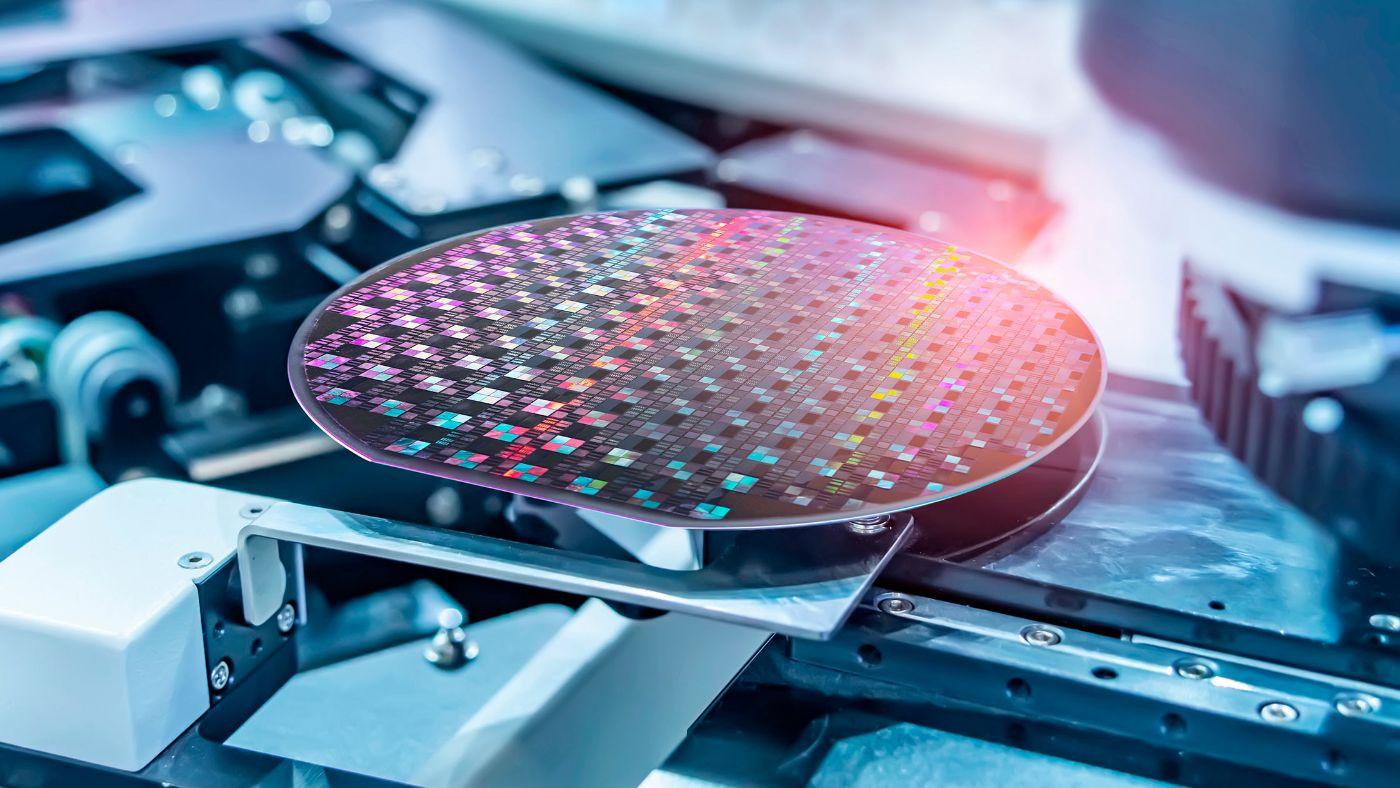
Getting More Punch Out of Your Wafer Drying
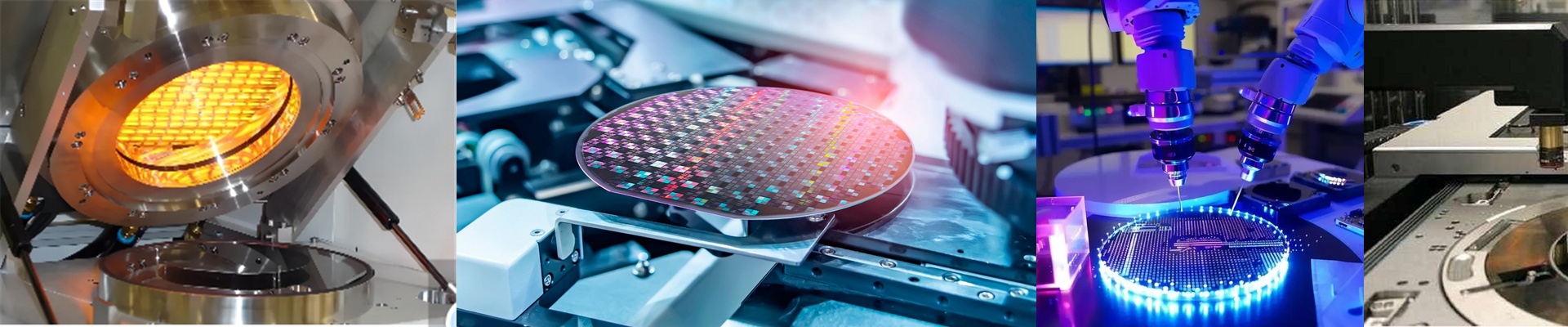
When you’re using waterproof IR lamps in a rinse stage, you’re basically fighting a war against wasted energy. You need to flash-dry those silicon wafers fast, but you can’t just crank the heat—you’ll fry the circuitry. The real problem is that too much of your wattage ends up bleeding into the machine housing instead of hitting the wafer. Why we go with gold. Most people start with aluminum reflectors, but they just don’t cut it. They absorb too much and scatter the rest. Gold is different. It’s incredibly efficient at bouncing infrared radiation right where it needs to go. By lining the housing with high-purity gold, we’re basically forcing the heat downward. You get a much tighter, more intense energy hit on the wafer without having to pull more power from the wall. It’s simple physics, but it makes a huge difference. A word of caution on the heat. Here’s the catch: when you reflect that much energy back toward the target, the lamp tube itself is going to get hot. Really hot. If you don’t have your cooling fans or water jackets dialed in, you’re asking for trouble. Without proper venting, the heat builds up and kills your tubes way faster than they should die. My advice? Keep a close eye on those socket temperatures. It’s a lot cheaper to tweak a fan than it is to replace a burnt-out array. Making it work in the real world. Since these lamps are sealed for waterproof use, the gold coating ensures every single watt is actually working to evaporate water. We’ve seen this setup shave significant time off drying cycles. Why? Because the energy is pushing down on the wafer instead of leaking out the sides. Your throughput goes up, and the process feels smoother. Just one last thing—double-check your wiring. High-wattage IR arrays can have some nasty current spikes when they first kick on, and you don’t want to trip a breaker in the middle of a run.