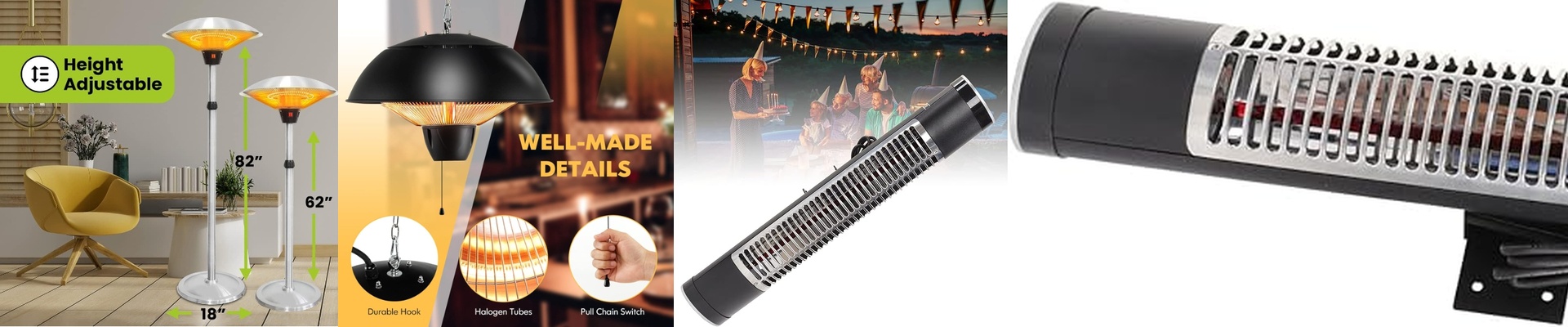
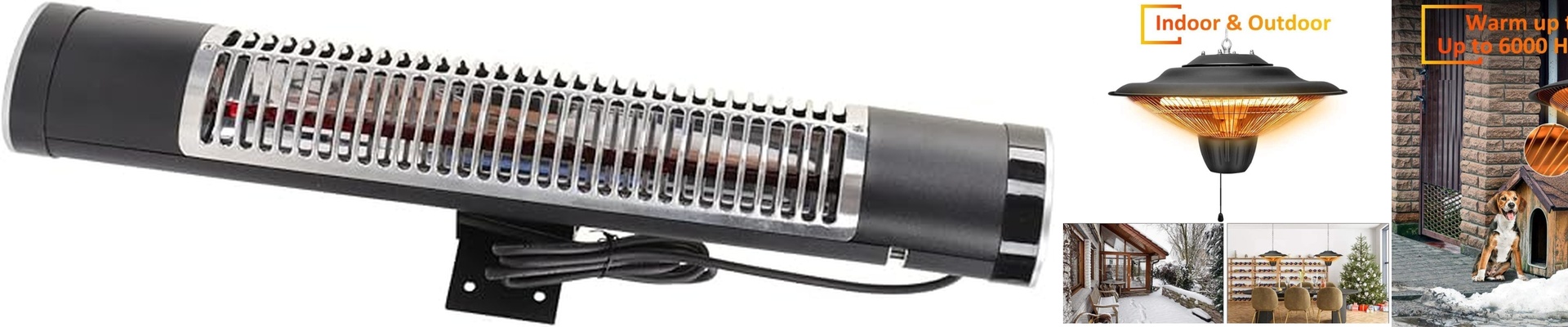
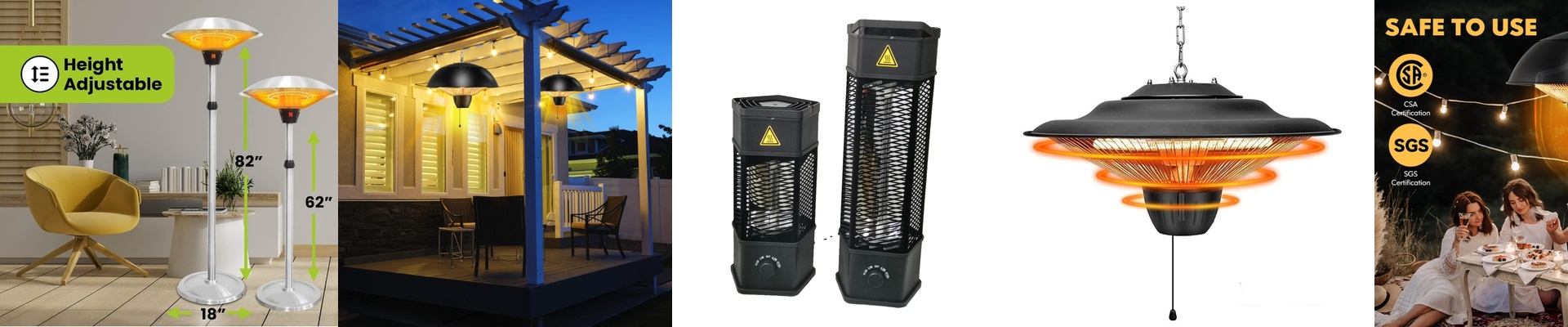
Keeping Your Bathroom Heaters from Blowing Up
Putting an infrared heater in a bathroom is a bit of a gamble if you’re using cheap gear. You’ve got steam everywhere and water spraying in every direction. Most standard heaters just can’t handle it. Steam finds a way inside the housing, and before you know it, you’ve got a short circuit or a shattered tube. That’s why we stick to IP66 enclosures and explosion-proof quartz. It’s the only way to make sure the thing actually lasts.
Why “Explosion-Proof” Quartz Matters
Here’s the thing about standard quartz: it hates cold water. If a stray droplet hits a red-hot tube during a shower, the thermal shock can make the glass shatter instantly. Not ideal. We use quartz that’s built differently. It has a reinforced internal structure or a protective mesh. So, if the glass does happen to crack, the mesh holds everything in place. It stops the shards from flying and keeps the filament from sparking out. Basically, it keeps your morning shower from becoming a disaster.
The Balancing Act: Sealing vs. Heat
You’ll see “IP66” on the spec sheet. In plain English, that means the unit is dust-tight and can handle a direct blast of water without breaking a sweat. We use heavy-duty industrial gaskets on the wiring entries to keep moisture far away from the terminals. But there’s a catch. If you seal a heater too tight, you trap all that heat inside the chassis. If you’re running a high-wattage element without any way for that heat to escape, you’ll fry your internal wiring. We design our housings to shed water while still letting the aluminum frame radiate the excess heat away. It’s a delicate balance, but it’s what keeps the unit from burning itself out.
A Few Tips for Installation
When you’re wiring these up, don’t cut corners. First, check your circuit breaker. Infrared elements hit hard and fast the moment you flip the switch. That immediate burst of heat is great for the person in the shower, but it puts a real load on your electrical line. And please, don’t skimp on the wire gauge. If your wiring is too thin, you’ll get a voltage drop, and your heater will lose its punch. Use the right wire, and it’ll work exactly how it’s supposed to.