
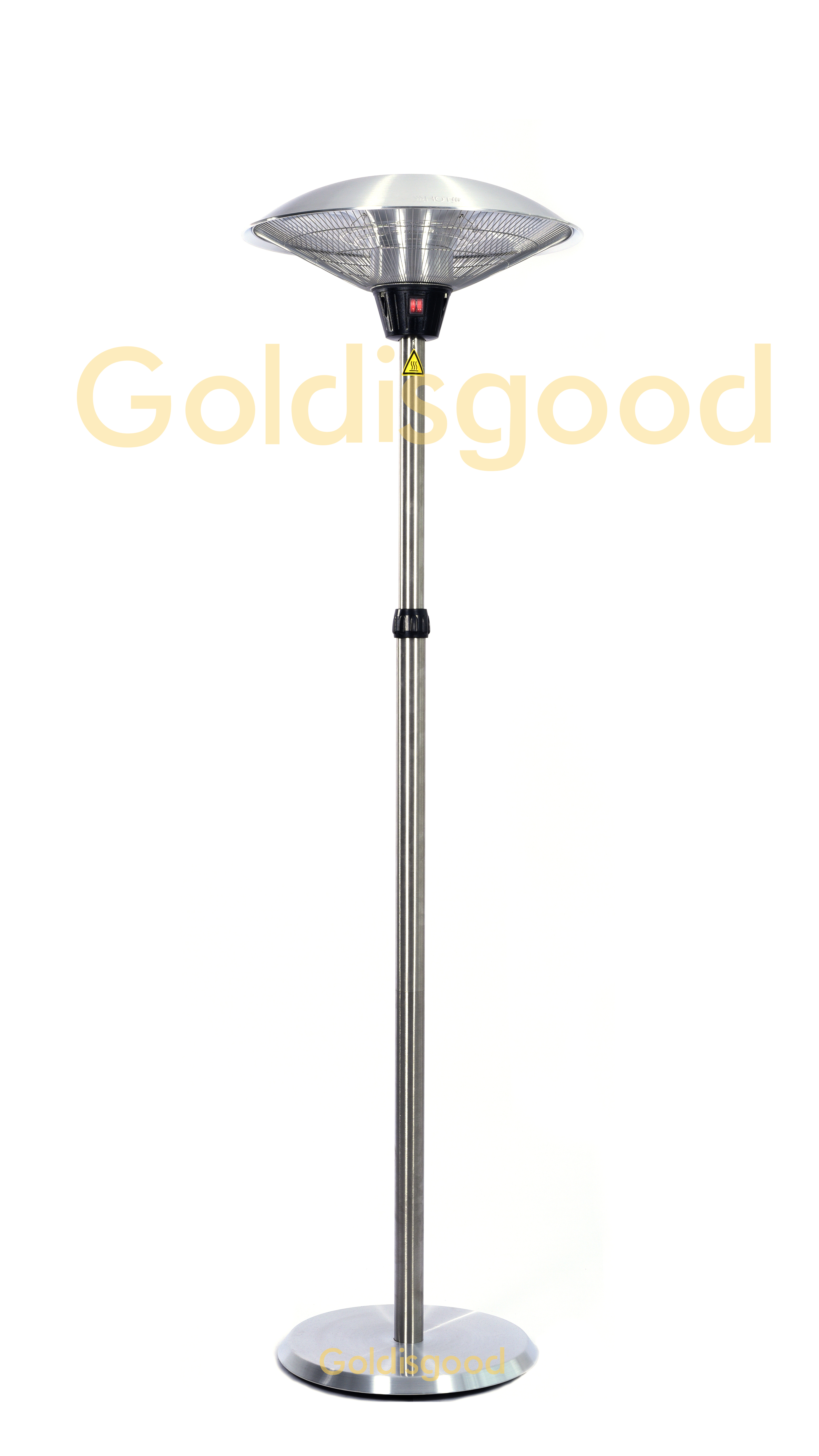
Keeping the Heat, Losing the Glare: Bathroom Infrared Safety
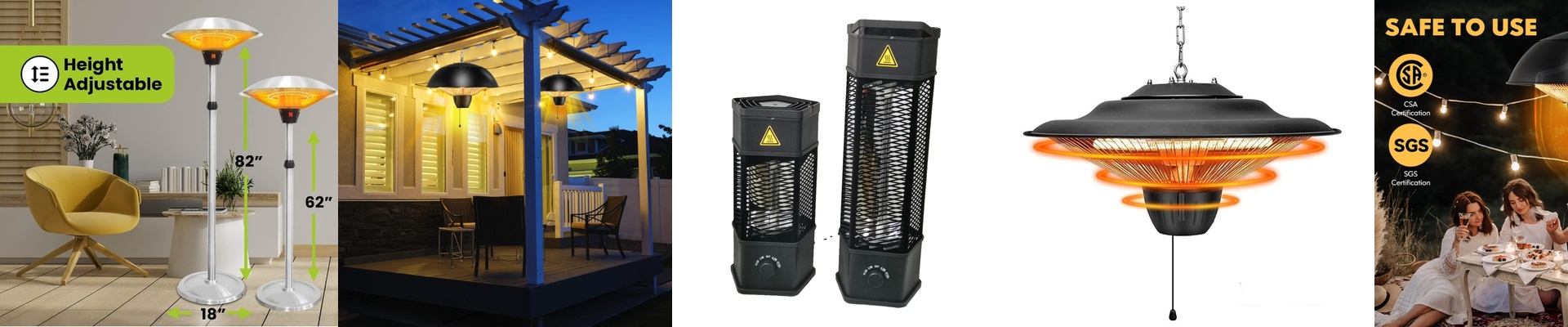
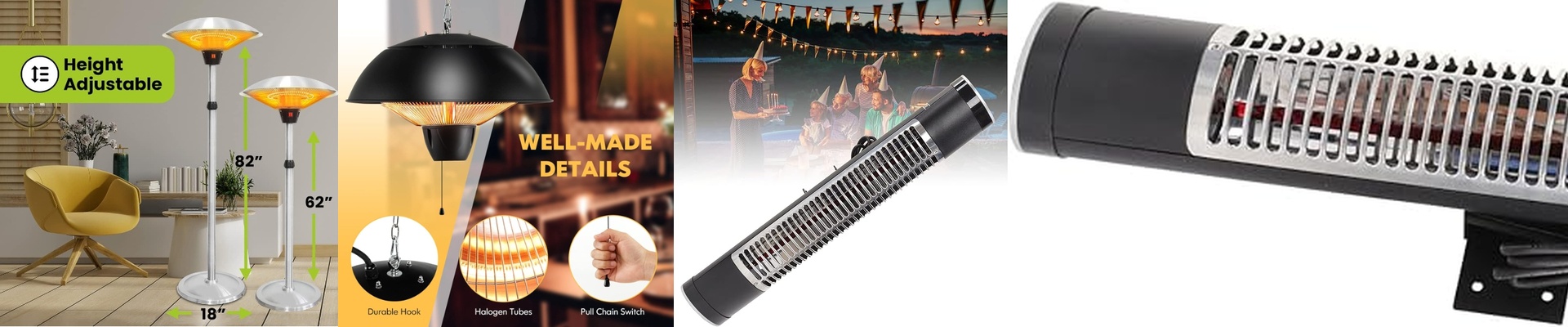
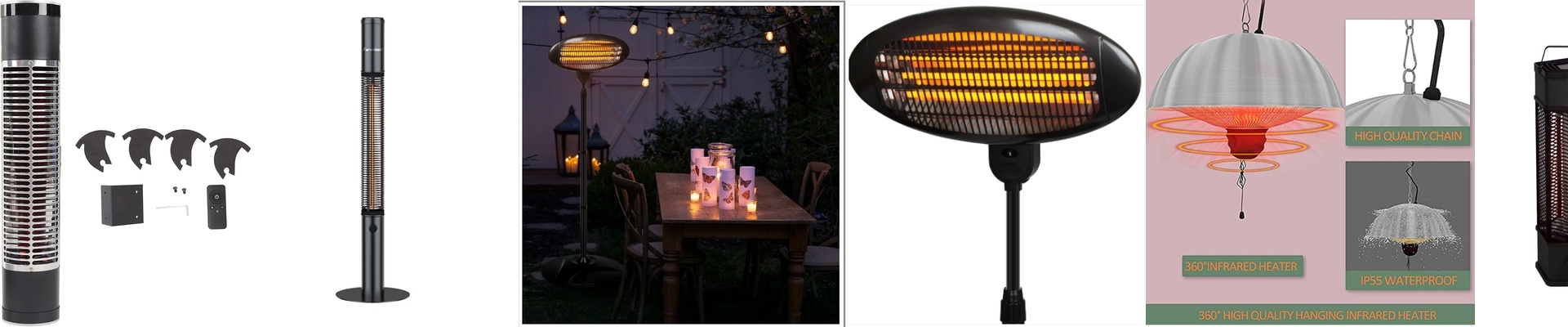
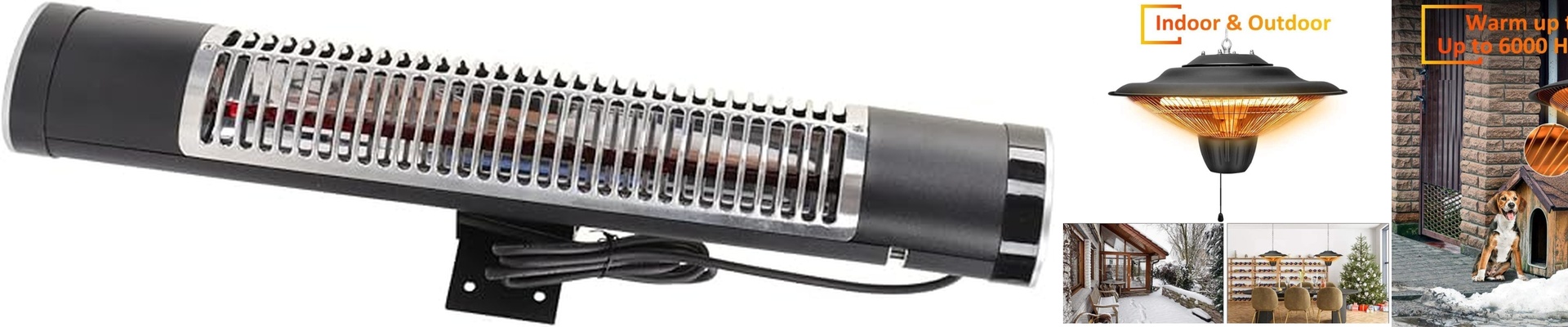
When we’re building infrared heaters for bathrooms or outdoor pergolas, the biggest headache isn’t actually getting the room warm. It’s the light. You know that blinding, harsh Glare you get from some heaters? That’s a real problem. In a bathroom—especially if you’ve got a baby or a toddler around—that kind of intensity is just too much for the eyes. It’s stressful. The trick is in the tuning. We don’t just use raw, unfiltered radiation. Instead, we use special quartz coatings or filtered filaments to dial back that visible light peak. Think of it as a “soft light” effect. We aren’t just turning down a dimmer switch. We’re actually filtering out the specific wavelengths that make you want to blink or strain your eyes. You get all the cozy, radiant warmth on your skin, but your optic nerve doesn’t feel like it’s being attacked. Then there’s the water. Bathrooms are humid. Damp. Steam everywhere. That’s why we seal the heating elements in reinforced quartz glass. Here’s the thing: if moisture sneaks in and hits a hot filament, the tube can crack. Or worse, the electrical contacts oxidize and the whole thing just burns out. It’s a mess. You also have to be careful with the housing. If you’re using a high-wattage lamp, it creates a massive amount of heat. If the fixture doesn’t breathe, that heat builds up inside the casing until the thermal cutoff trips and shuts everything down. The honest trade-off. Now, being honest? Filtering the light for safety means you lose a bit of that immediate “punch.” You won’t get that searing, instant heat you’d find in an industrial drying lamp. But for a home or a nursery, that’s exactly what you want. It’s a gentler curve. It feels more natural, and it’s way safer for hanging out in for a while.