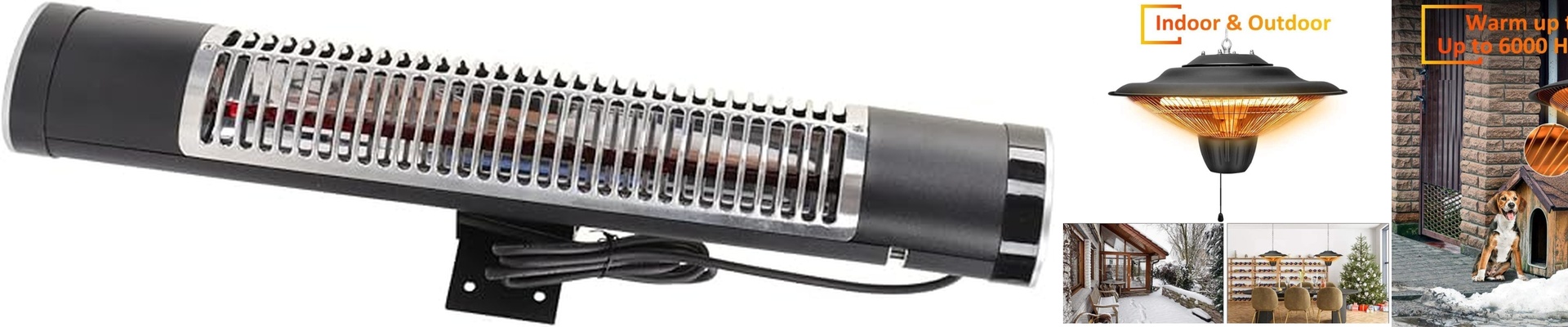
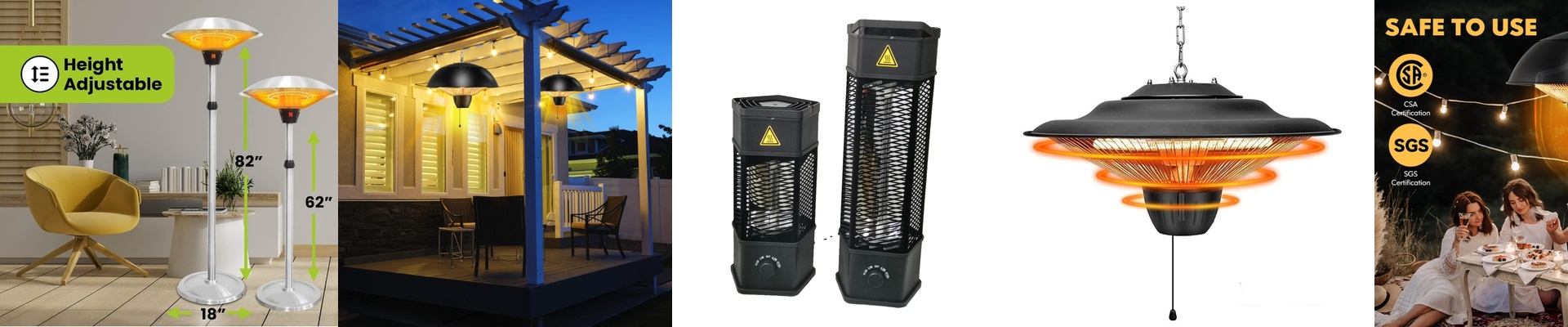
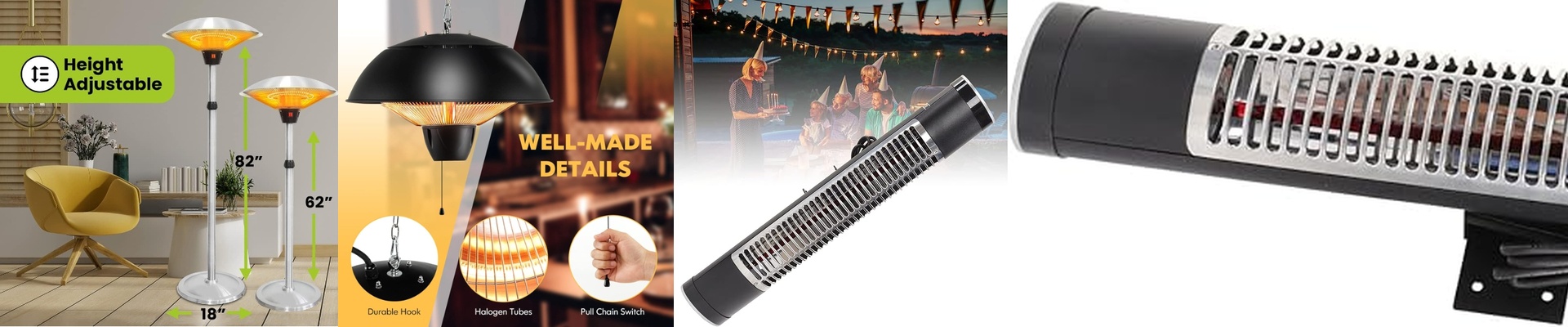
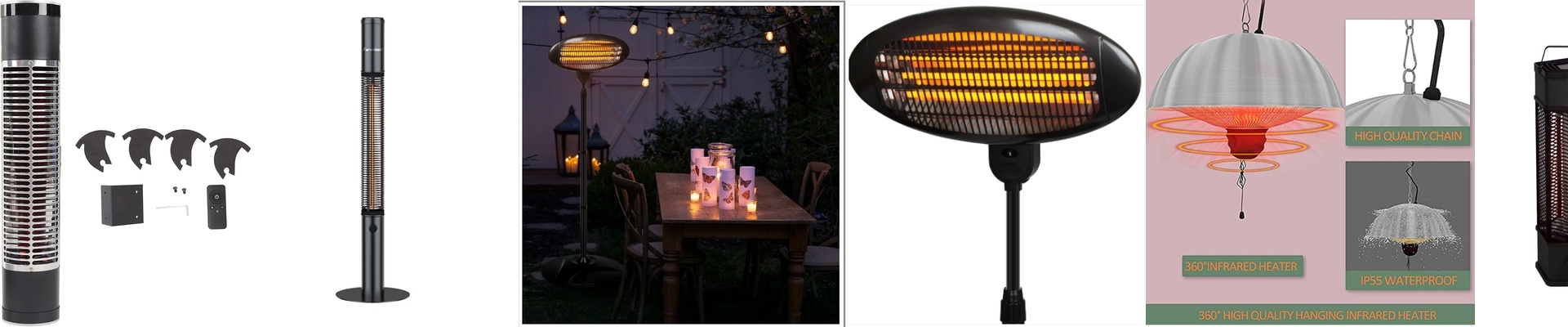
Waterproof Infrared Table Heaters: Warmth, Straight Up, for the Bathroom
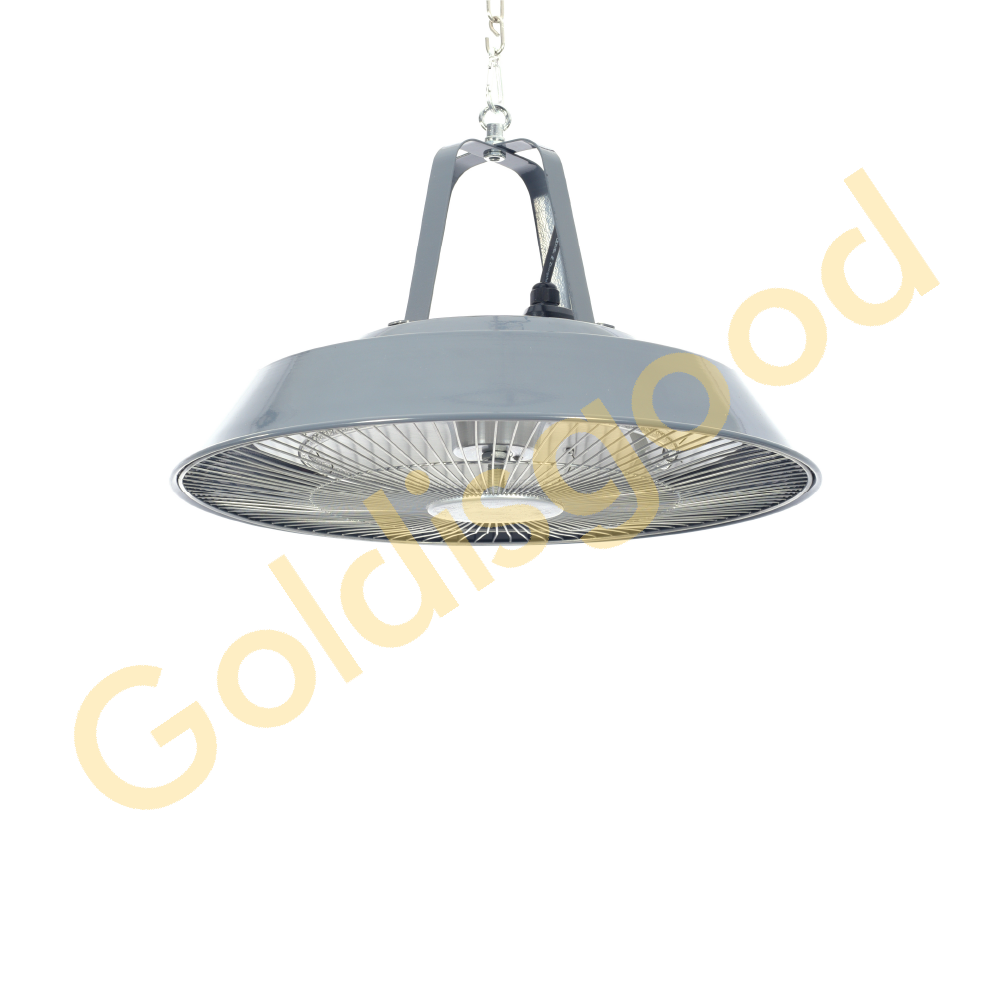
We make waterproof infrared table heaters for places where the air is always damp and you need heat that hits right away. The whole point? Delivering warmth that doesn’t wait around—and doing it safely, especially around little ones like infants.
Power, Voltage, Output: The Real-World Details
Infrared heat isn’t about warming the air. It’s direct radiant energy, line-of-sight, straight to where you need it. Our lamps pack a lot of heat into a small space, usually running at 2500W on 400V. That high-voltage, high-wattage combo keeps the current manageable while still giving you serious intensity. You get warmth fast. The tubes are typically around 300mm long, so the heated zone stays focused and fits neatly into table or wall-mount setups. Warm-up is quick, output stays steady. But here’s the catch: that kind of power means the surrounding housing has to be ready for the heat. Plan your heat sinking and airflow. Otherwise, the enclosure itself will run hot.
What It’s Built From: Halogen, Quartz, and the R7s Fit
We use halogen-filled quartz tubes because they handle high filament temperatures and keep output stable over time. The halogen cycle cuts down on blackening, so the lamp stays bright and consistent longer than a standard incandescent. Quartz also stands up to thermal shock better than glass—big deal in bathrooms that are wet and drafty. For waterproofing, it’s all about sealed housings and gasketed joints, rated for damp and wet spots. The connector is R7s, a standard double-ended linear fitting. It gives solid contact, makes lamp swaps easy, and keeps alignment secure even in tight fixtures.
Why It Works in Bathrooms—And Why Eyes Matter
In a bathroom, this heater warms people, not the air, so you feel the heat almost immediately. The light spectrum is tuned for comfort, and the fixture design keeps direct glare out of your eyes. When infants are nearby, the priority is controlling brightness and keeping blue-heavy exposure low. Our lamps use protective coating and optical filtering to soften the visible light while keeping the infrared output strong. For engineers, this is a practical, drop-in solution for existing R7s fixtures. It wires up cleanly and can take the daily grind of humid conditions. Just keep one thing in mind: high wattage means high surface temperature. So plan proper guarding and mounting distance to prevent accidental contact.