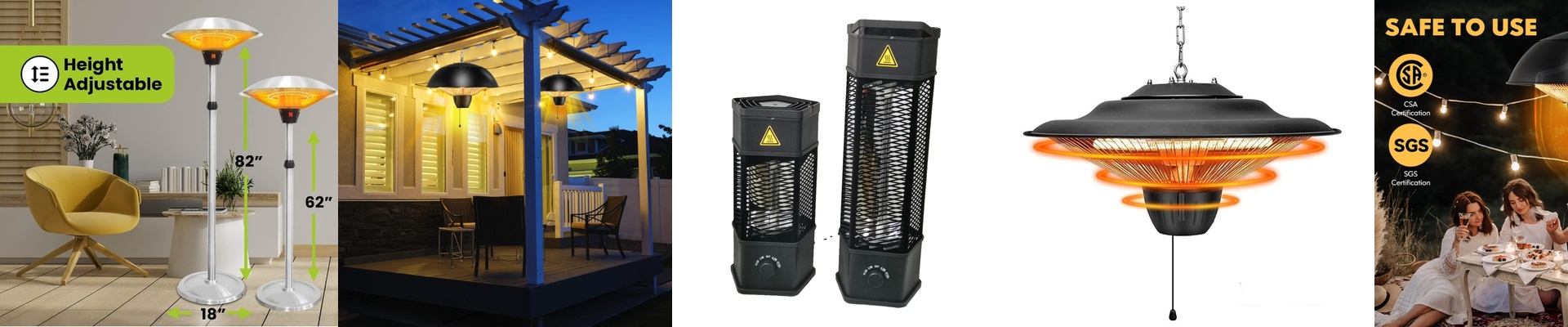

Why we put our bathroom heaters through the “damp-heat” ringer
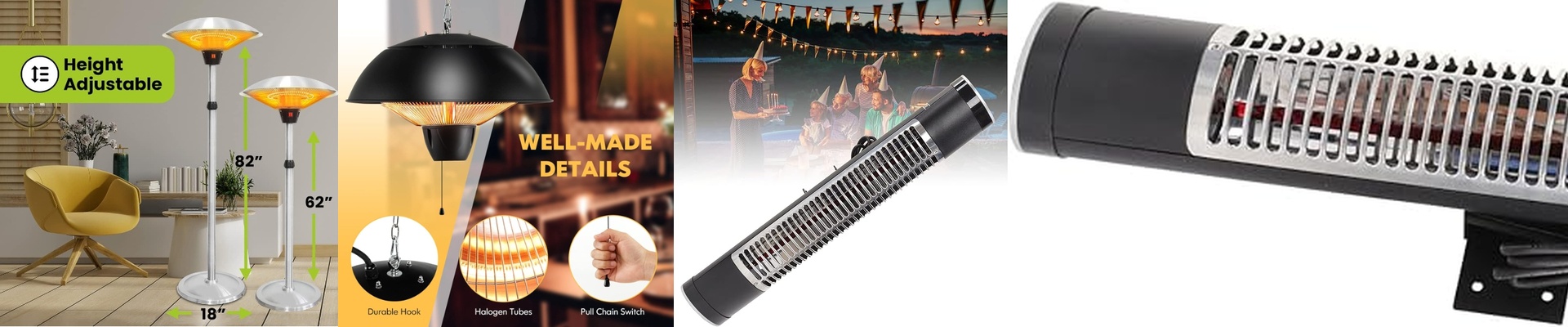
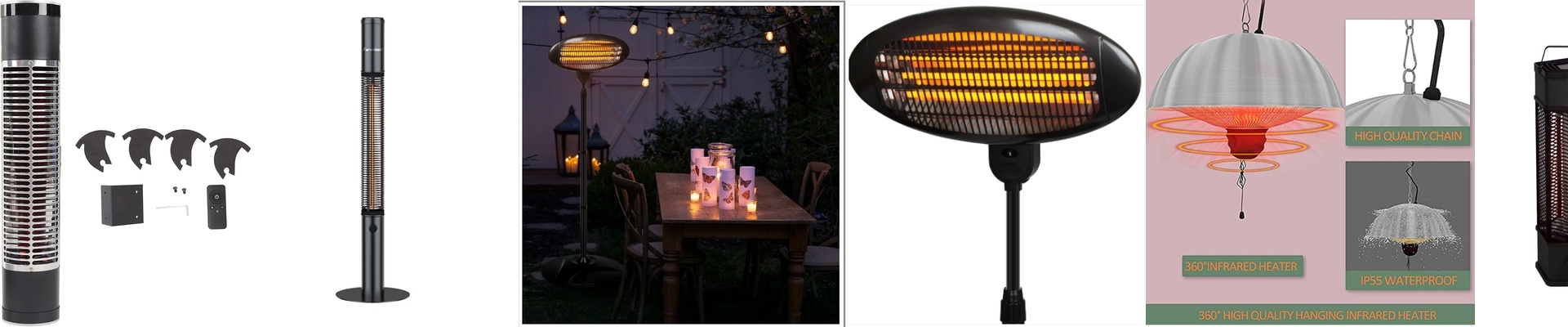
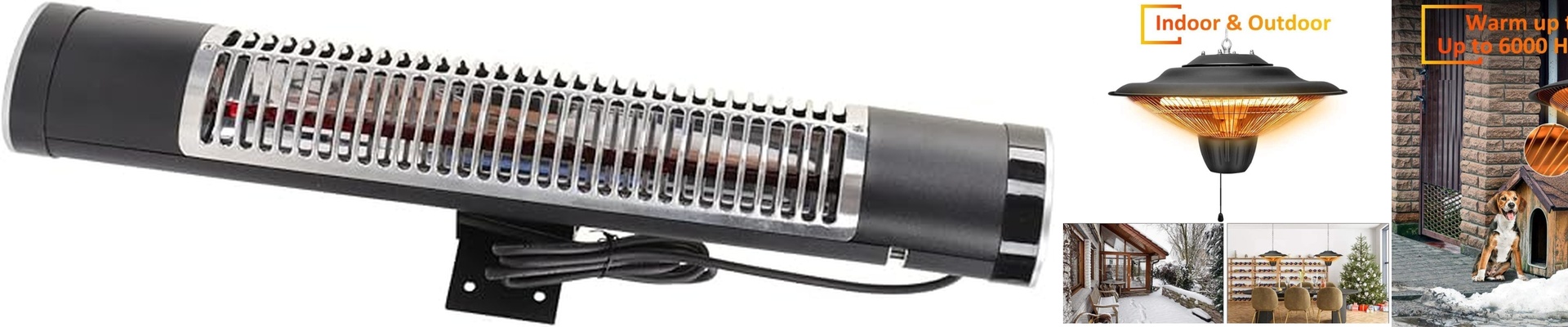
Let’s be honest: bathrooms are a nightmare for electronics. You’ve got steam everywhere, wild temperature swings, and the occasional splash of water that shouldn’t be there. We build our infrared heaters to IP65 standards. But look, a rating on a spec sheet is just a number. It doesn’t tell you if the thing will actually survive three winters in a steamy bathroom. That’s why we run every batch through damp-heat aging tests. Here is the problem with wet zones. Moisture is sneaky. It doesn’t just sit on the outside of the heater; it finds tiny gaps, crawls through seals, and settles in. Once that humidity gets inside, it starts eating away at the terminals. It ruins the insulation. If a seal gives way, you’re looking at a short circuit or a dead heating element. Not a great experience for the customer. To stop that, we toss our heaters into high-humidity chambers and crank up the heat. We basically simulate years of wear and tear in a fraction of the time. We push those seals until they scream just to see where they might break. How we actually handle the hardware. Hitting IP65 isn’t as simple as slapping on a rubber gasket. We use high-grade silicone and housing materials that won’t warp when things get hot. We also pay a lot of attention to how the lamps are seated. If condensation pools around the electrical contacts, you’re in trouble. Plus, we use specific quartz glass and halogen filaments that heat up fast. This stops that “cold-start” condensation that usually cracks the glass on cheaper units. The tricky part: Heat vs. Air There’s a catch, though. When you seal something tight to keep water out, you’re also trapping heat inside. There’s less airflow. Since the inside of the chassis gets way hotter than a standard heater, we can’t use basic wiring. We use high-temp rated lead wires so the insulation doesn’t melt while the lamp is blasting at full power. We don’t just test to see if it works. We test until it breaks. It’s the only way to know exactly when the seals give out, which lets us over-engineer the whole thing before it ever reaches your warehouse.