Keeping Your Wafers Clean: The Reality of Vacuum IR Heaters
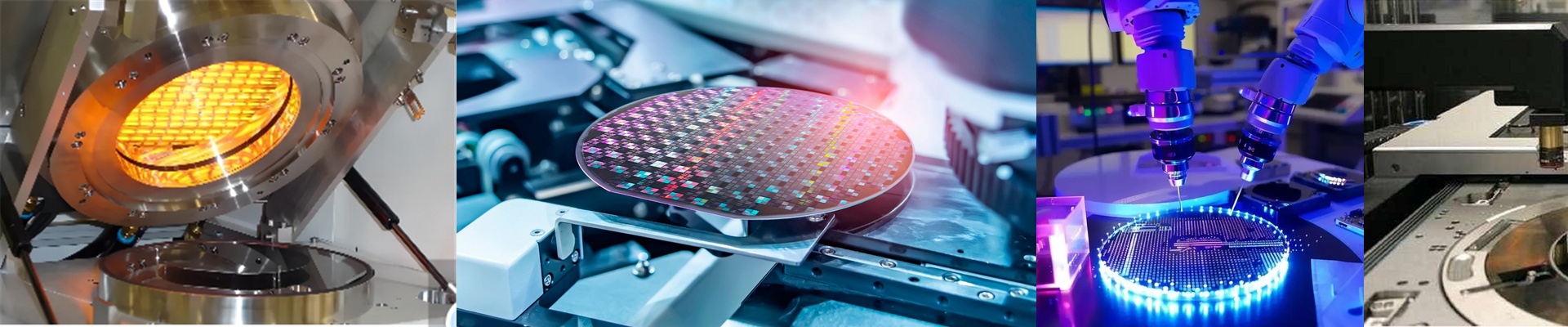
In a high-volume semiconductor plant, a lamp failure is a nightmare. It’s not just about the machine stopping for a bit. If a quartz tube pops inside a vacuum chamber, you’ve got shards of glass and nasty gases flying everywhere. One burst lamp can contaminate an entire batch of wafers in a heartbeat. That’s why we don’t just build heaters; we build them to fail safely. Dealing with the heat Heat behaves differently in a vacuum. Since there’s no air to move the heat around, the lamp has to do all the heavy lifting through radiation. This puts a ton of stress on the quartz. To stop the tubes from cracking during those fast heating and cooling cycles, we use high-purity synthetic quartz. It doesn’t expand or shrink nearly as much as the cheap stuff, so it can handle the pressure without snapping. The “Safety Net” approach We assume things might go wrong. So, we add a physical backup. Most of our heaters come with a secondary containment sleeve or a special coating. Think of it as a safety cage. If the main tube fails, this barrier keeps the filament and debris from spraying across your processing zone. We also use vacuum-grade ceramics and metals for the seals, because the last thing you want is a tiny piece of grit leaking into your wafers. The power struggle Here is the tricky part: everyone wants faster ramp-up times. To get that speed, you need high wattage. But if you cram too much power into a short tube, the internal halogen gas pressure spikes. It’s a balancing act. You have to make sure your vacuum pump can handle the outgassing if something does slip. And a word of caution—don’t over-drive your lamps just to shave a few seconds off a cycle. Pushing them past their rated wattage is a fast track to a premature burnout. We build these units to survive the grind of 24/7 production. By obsessing over the quartz quality and the seals, we make sure the only thing hitting your wafers is the heat.