Why Bathroom Heaters Usually Fail (And How We Stop It)
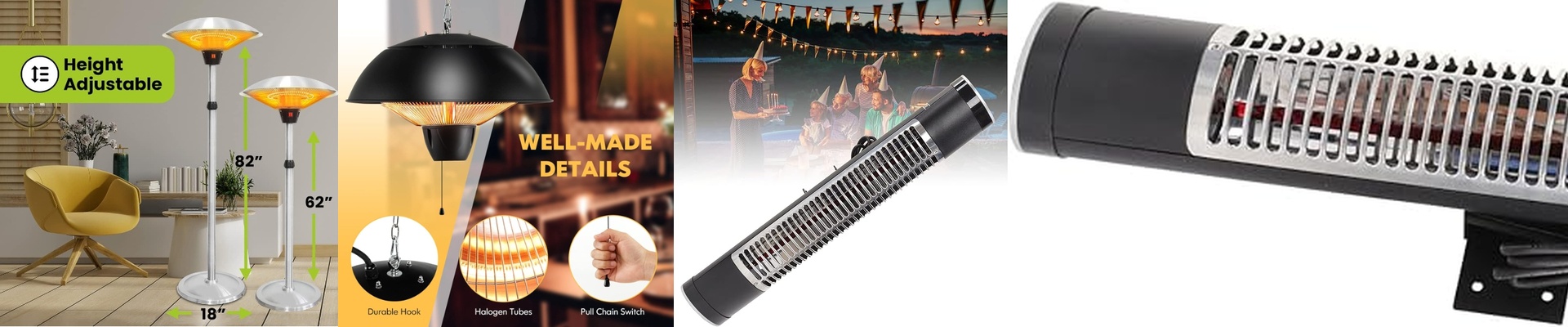
Let’s be honest: bathrooms are a nightmare for electronics. You’ve got thick steam, direct splashes from the shower, and temperatures that swing from freezing to roasting in minutes. It’s a recipe for disaster. One tiny gap in a seal or a wire that wears down, and your heater is either dead or, worse, a safety risk. That’s why we don’t just check a box on a spec sheet and call it a day. We actually put our gear through the wringer with damp-heat aging tests.
The Struggle with IP65 and Heat
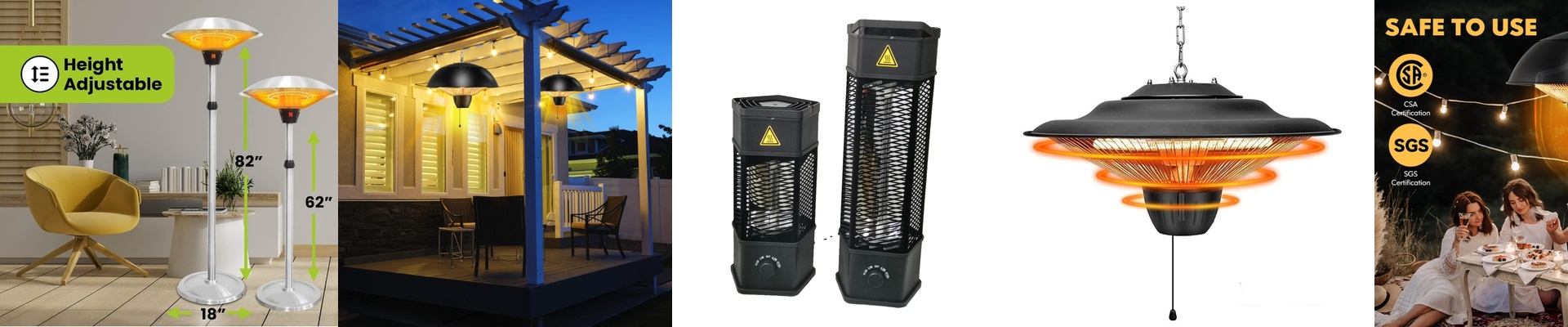
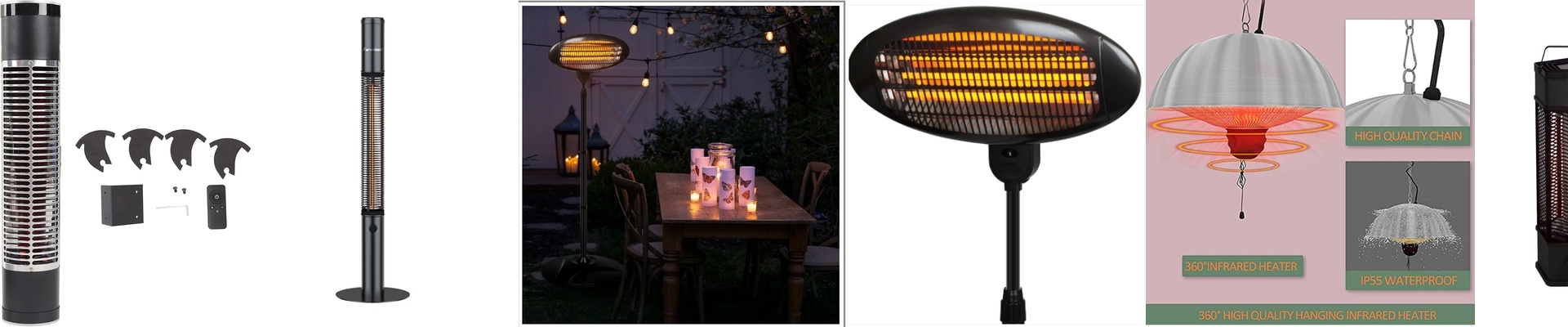
You’ve probably seen “IP65” on the box. In plain English, it means the thing is dust-tight and can handle a jet of water. Sounds simple, right? But here’s the catch: infrared lamps get hot. When that quartz tube heats up, the seals expand. When it cools down, they shrink. If the housing and the seals don’t move at the same rate, you get gaps. Tiny, invisible gaps that let moisture sneak in. To fix this, we use high-grade silicone gaskets and reinforced polymers. We need that seal to hold tight even after thousands of heat cycles.
Why We Torture Our Own Products
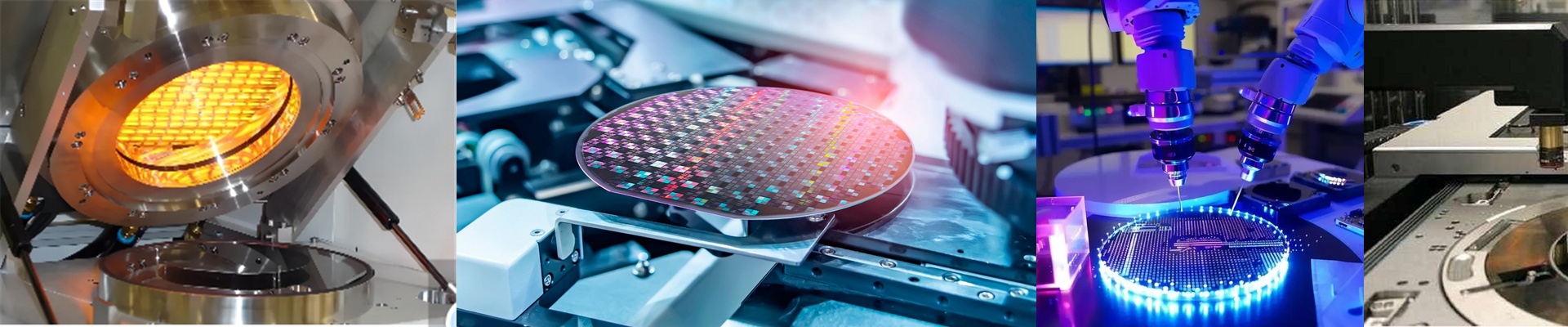
We don’t just hope it works; we try to break it. We toss these heaters into humidity chambers at high temperatures for long stretches. It basically mimics years of bathroom steam in a fraction of the time. We’re hunting for two things: corrosion and electrical breakdown. Standard quality checks are fine for some things, but not here. We need to know if moisture is creeping past that IP65 barrier over time. If humidity gets into the circuitry, the resistance shifts. You’ll start seeing flickering, or the whole unit will just quit. We push them until they either prove they can handle it or they snap.
The Balancing Act
Here is the tricky part. If you seal a unit perfectly to keep water out, you’re also trapping the heat inside. A fully sealed IP65 heater doesn’t have the luxury of open airflow. This means the internal drivers run a lot hotter than they would in an open-frame design. It’s a bit of a tug-of-war. We have to carefully size the internal heat sinks so the electronics don’t cook themselves while they’re busy keeping the water out. It’s not the easiest way to build a heater, but it’s the only way to make sure it actually lasts.