Keeping People Warm in Wet Zones: The Truth About IP55 Infrared Heaters
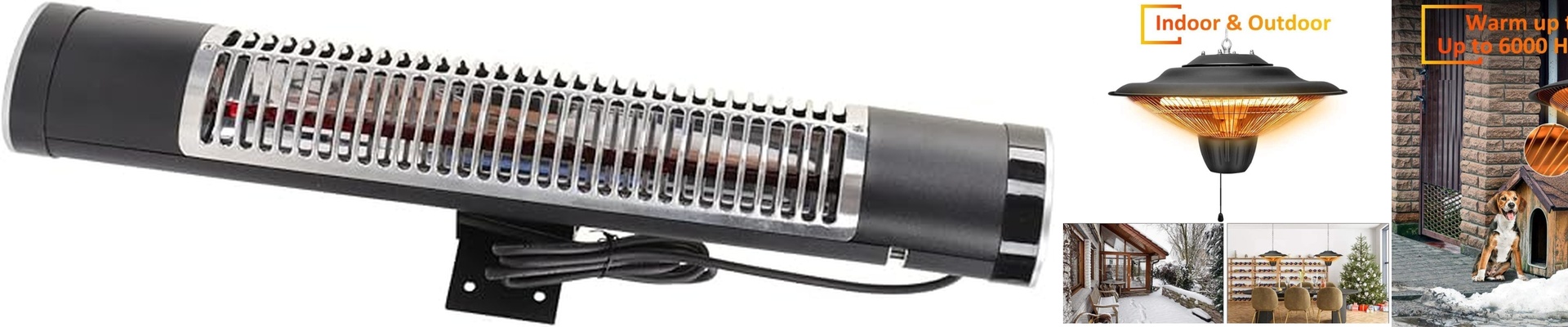
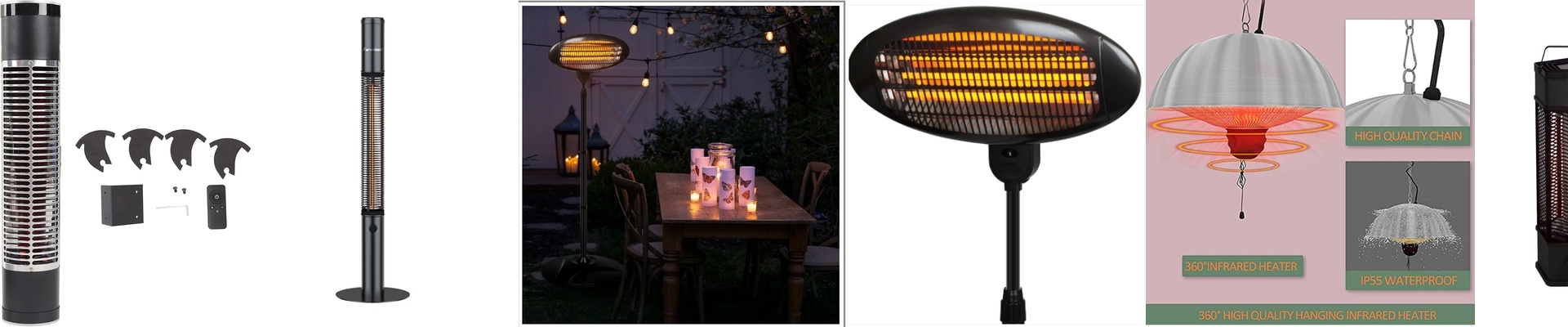
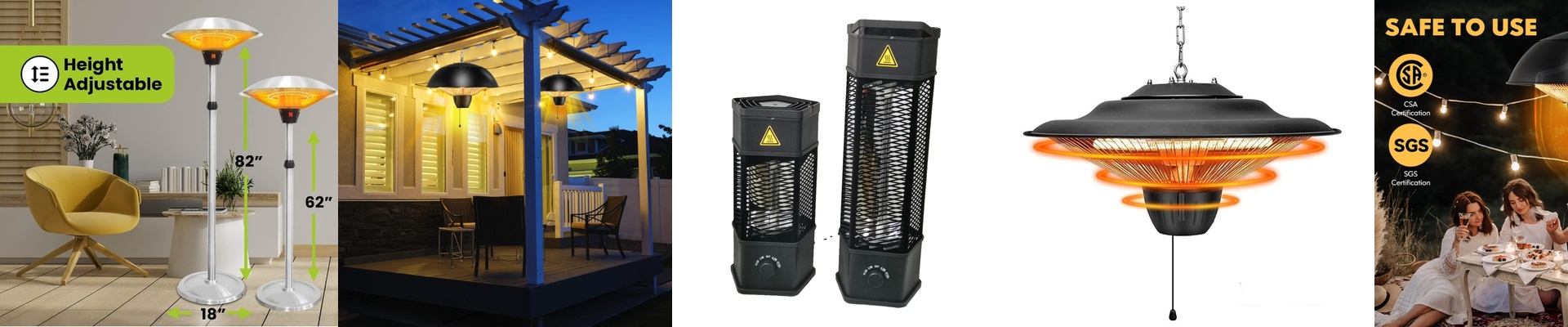
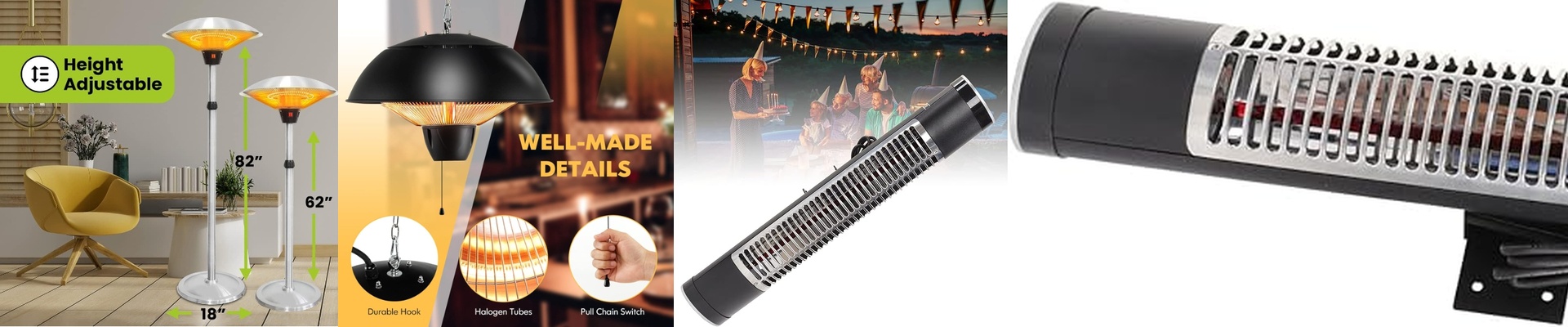
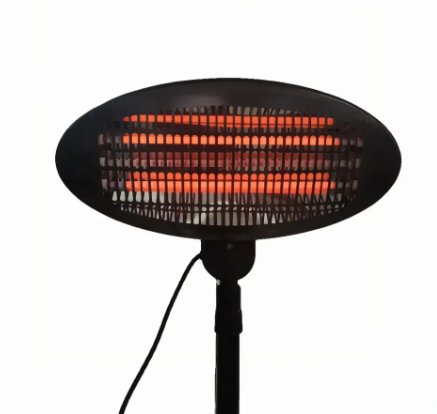
Nobody likes shivering in a cold changing room. If you need a space to go from freezing to cozy in a few seconds, you can’t rely on standard heaters that just blow warm air around. You need shortwave infrared. Think of it like the sun. It doesn’t warm the air first; it hits you directly. We build these units specifically for those nightmare environments—spas, locker rooms, and humid zones—where a normal heater would basically commit suicide via corrosion or a short circuit. The battle against moisture You’ll see the term “IP55” on the spec sheet. In plain English? It means we’ve locked the guts of the heater away from dust and water sprays. But here’s the tricky part: metal expands when it gets hot. You can’t just glue a plastic cover over a heater and call it a day. If the chassis doesn’t breathe and move as it heats up, the waterproof seal will snap. We’ve engineered the housing to handle that “stretch” so the electronics stay bone-dry, even when the room is thick with steam. Why shortwave? We use shortwave emitters because they pack a punch. There’s no “warm-up” period. You flip the switch, and the heat is there. Instantly. This is a huge win for your electric bill because you don’t have to keep the entire room at 75 degrees just to keep people comfortable. You keep the air cool, but the person standing under the lamp feels toasted. A few things to keep in mind These aren’t “plug-and-play” lamps. They pull a lot of power to get that instant heat, so you’ll need a dedicated circuit. Make sure your breakers can handle the peak load, or you’ll be spending your afternoon resetting the power box. Also, let’s talk about the light. Shortwave lamps are bright. Really bright. If you mount them too low, you’re basically giving your customers a flashlight to the face. To avoid blinding everyone, we suggest hanging them at least 2.5 meters up. It spreads the heat better and keeps the glare from being an issue. It’s a simple setup, but it’s built to take a beating from the humidity while keeping people warm.