Introduction
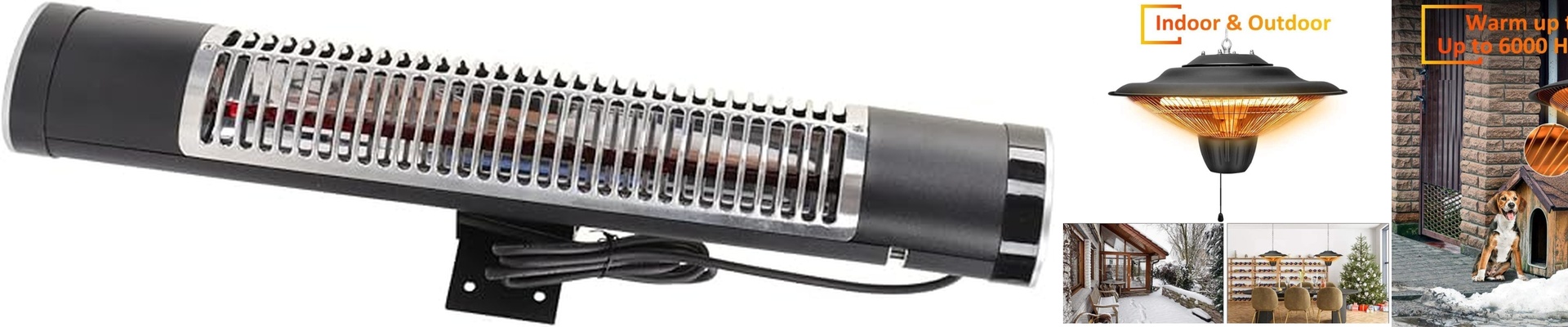
Let’s talk about a problem we’ve all faced: bathroom heaters that die way too soon. You know the drill—constantly battling condensation and water that just won’t quit. So we built our infrared bathroom heater to fix that, plain and simple. We focused on two big wins: keeping the element fog-free and splash-proof. The goal? A heater that stays stable, dry, and ready for the long haul.
The Nitty-Gritty
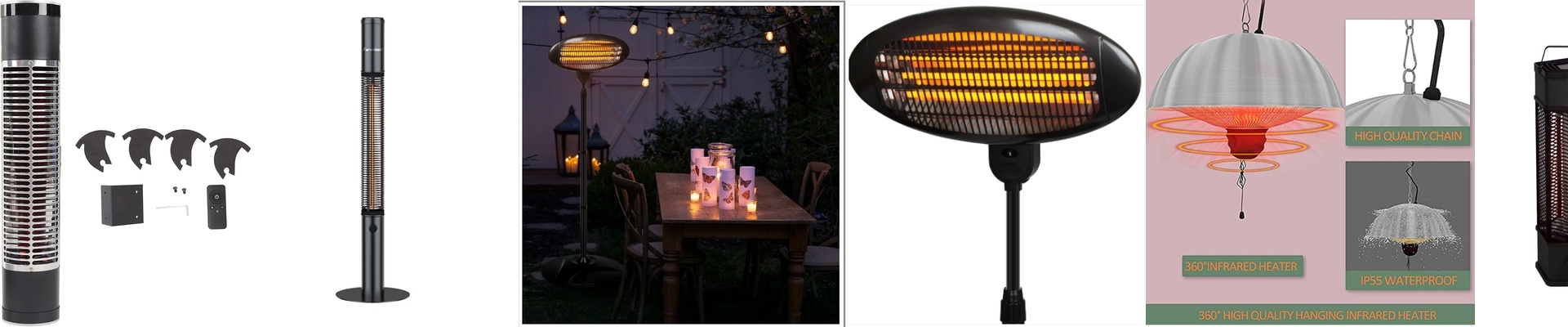
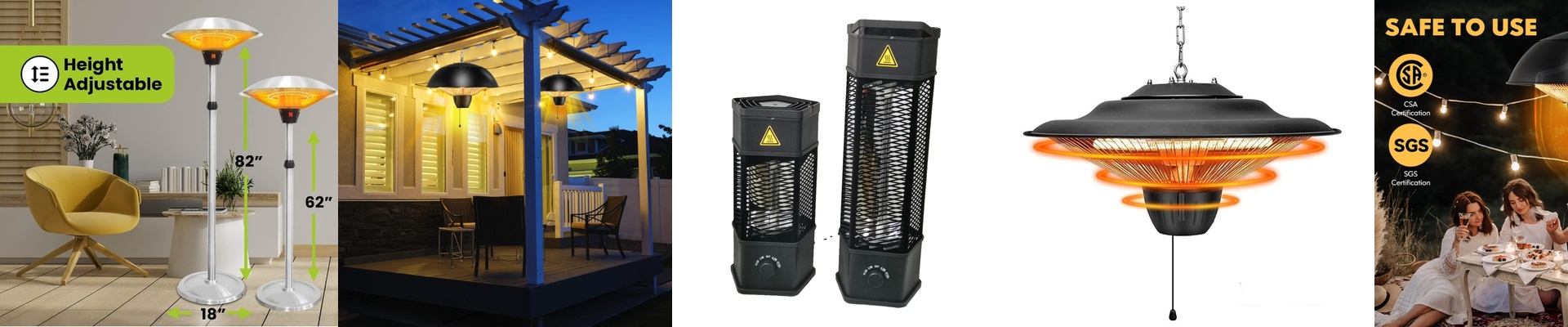
Here’s how it works. The heart of the unit is a high-output infrared element that throws out fast, focused warmth. We matched the power and voltage so it delivers steady heat without tripping your circuit. And the size? It’s designed to cover just the right area, so you get even warmth without those annoying hot spots. It’s all about making the heat fit the room, not the other way around.
The Build
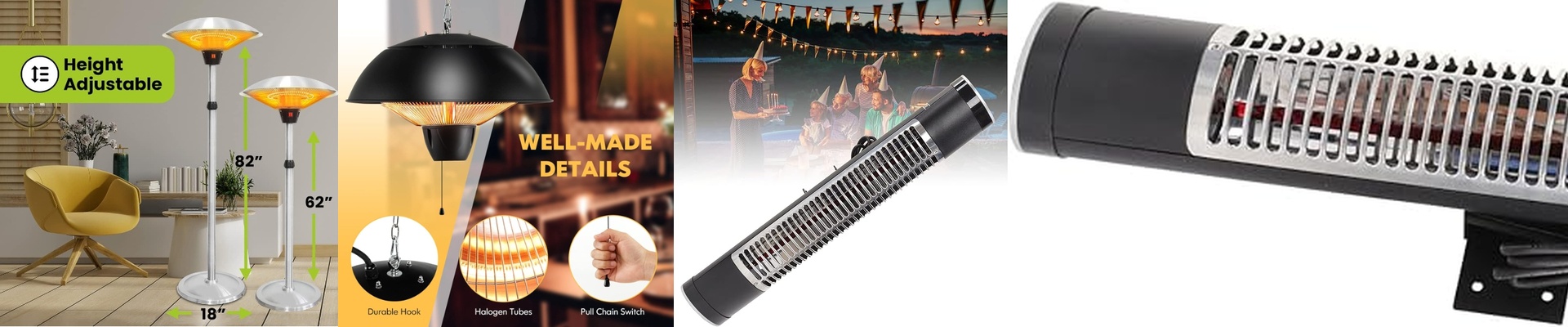
We chose a halogen-based infrared system inside a tough quartz envelope. Quartz is a champ—it handles sudden temperature swings and fights corrosion far better than regular glass. That matters when the heater is constantly cycling on and off. The halogen inside also keeps the filament temperature steady, so performance stays consistent over time. Then there’s the anti-fog design. We carefully managed the temperature at the front surface so moisture never has a chance to condense. This keeps the heat output strong and prevents any electrical issues. And for splash resistance? The housing and seals are built to a solid IP rating, so it can handle water jets and everyday splashes. Even the connectors are chosen for a secure, tool-free install that stays reliable, even in a steamy bathroom.
What It Feels Like In Real Life
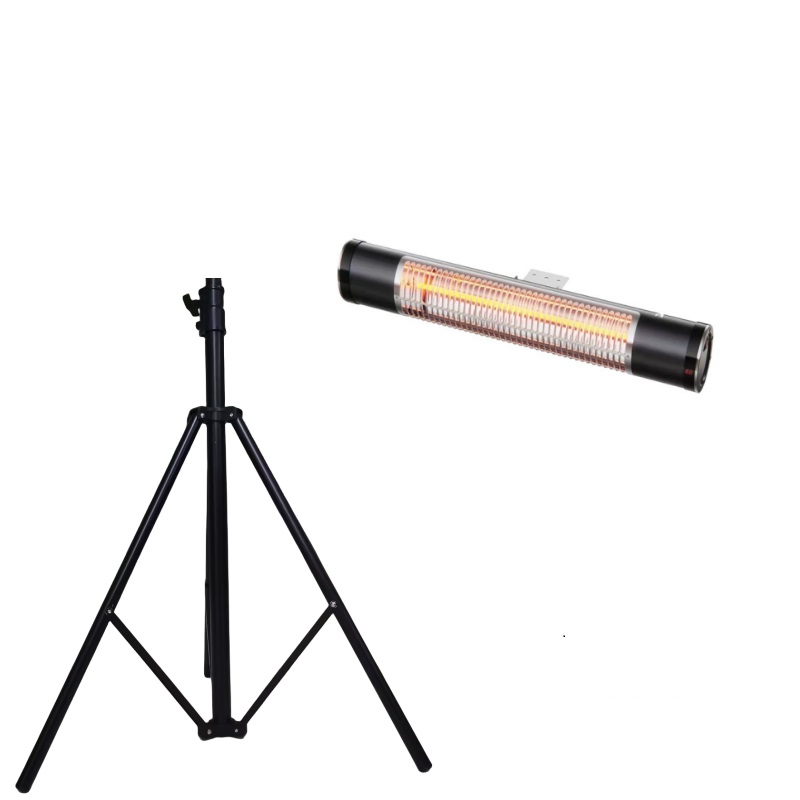
Bathrooms are brutal on electronics. Steam, cleaning sprays, wild temperature swings—it’s a lot. Our design keeps the water out and the fog off, so the heater just keeps going without needing constant attention. Now, a heads-up: this is powerful, focused heat. You’ll want to give it proper clearance and manage the airflow so nearby materials don’t get too warm. Just plan your mounting spot with that in mind. The payoff is simple: fewer breakdowns, steady performance, and a heater that behaves itself in the toughest room in the house. If you’re an engineer or a buyer, think of this as a drop-in solution that specs clean, wires up quickly, and actually holds up where weaker units give up the ghost.