
More Than Just a Warm Mirror: Dealing with Bathroom Humidity
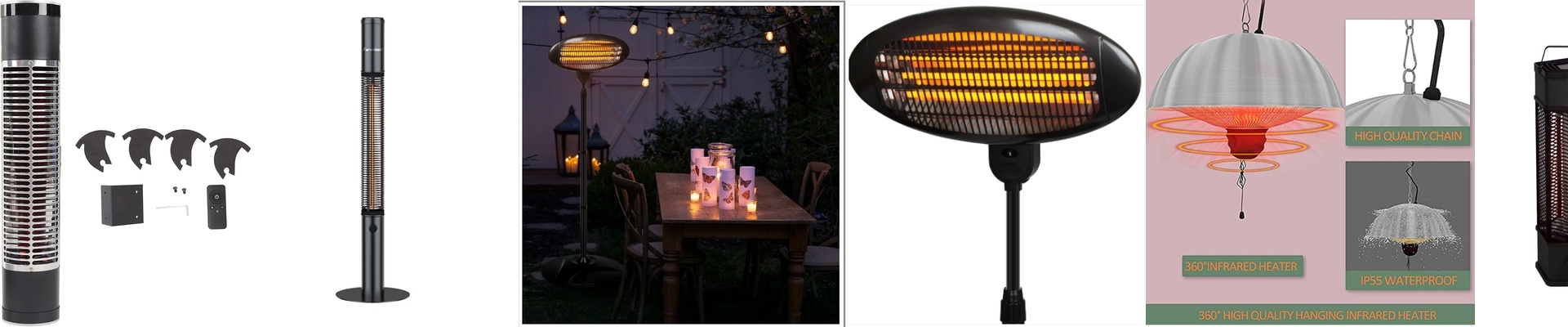
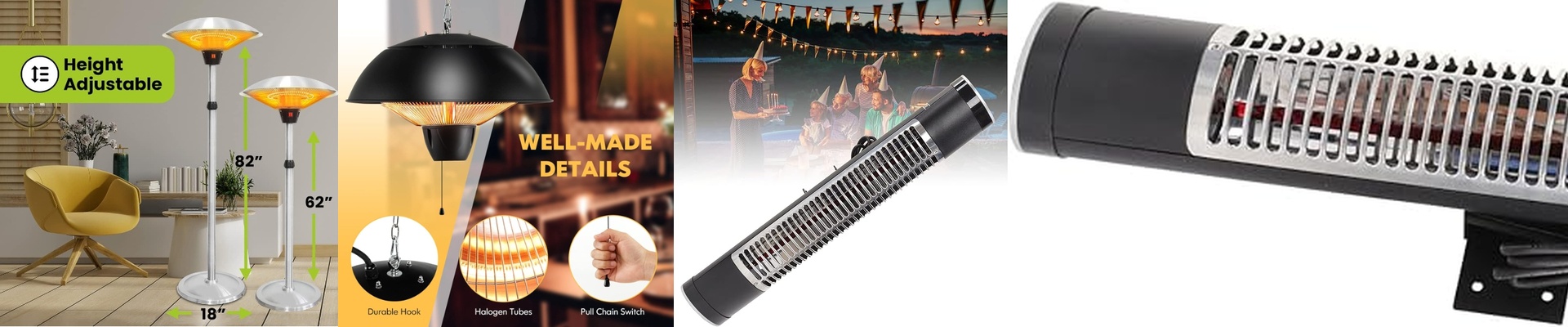
Most people look at those infrared mirror heaters and just think, “Cool, I won’t be freezing when I brush my teeth.” But if you look under the hood, these things are doing a lot more than just keeping you warm. They’re actually a clever way to handle the moisture that ruins bathrooms. Here’s the thing about regular heaters: they just warm up the air. That often leaves your tiles and mirrors cold, which is exactly why you get that annoying condensation. Our shortwave lamps work differently. They send energy straight to the surfaces. When those waves hit a damp wall or a foggy ceiling, they kick the water molecules into gear, turning that liquid into vapor way faster. It stops that heavy, stagnant dampness that mold absolutely loves. Speaking of mold—it thrives in the dark and the damp. We’ve tuned these lamps to hit wavelengths that actually soak into the materials. It dries out the grout and the drywall where mold usually starts to root itself. You get the comfort of a warm room, but the real win is that your walls stay dry. Now, a quick heads-up on the hardware. High-wattage lamps get hot. Fast. If you put too much power into a tiny space, you can actually warp the mirror frame or melt some of the plastic trim. You have to make sure your fixture is built to handle the heat load. Balance is key here. And if you want this to actually work against mold, don’t just point the heater at your toes. Positioning is everything. Angle the emitters toward the “danger zones”—the ceiling above the shower and the corners of the room. That way, the heat actually hits the spots where fungus likes to grow, rather than just warming up a floor you’re already standing on.