Why everyone’s swapping old lamp heaters for waterproof infrared
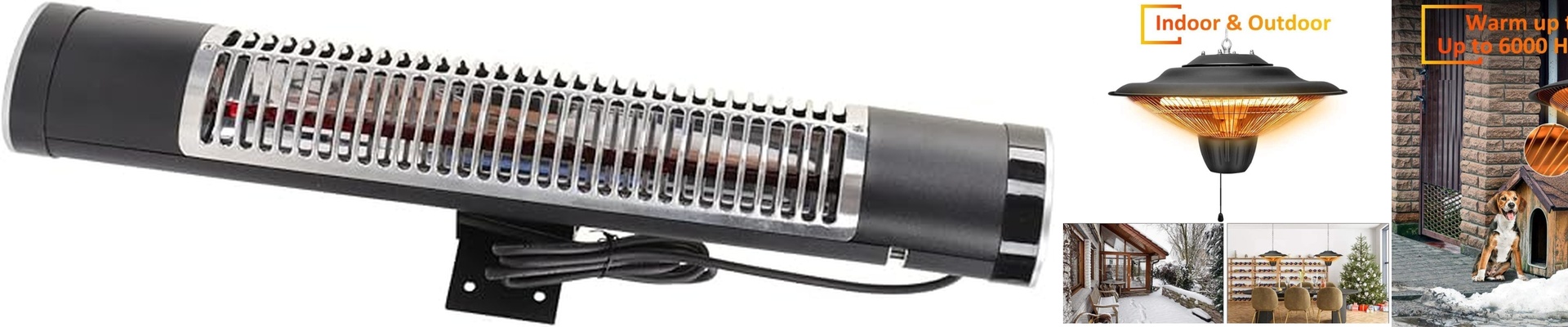
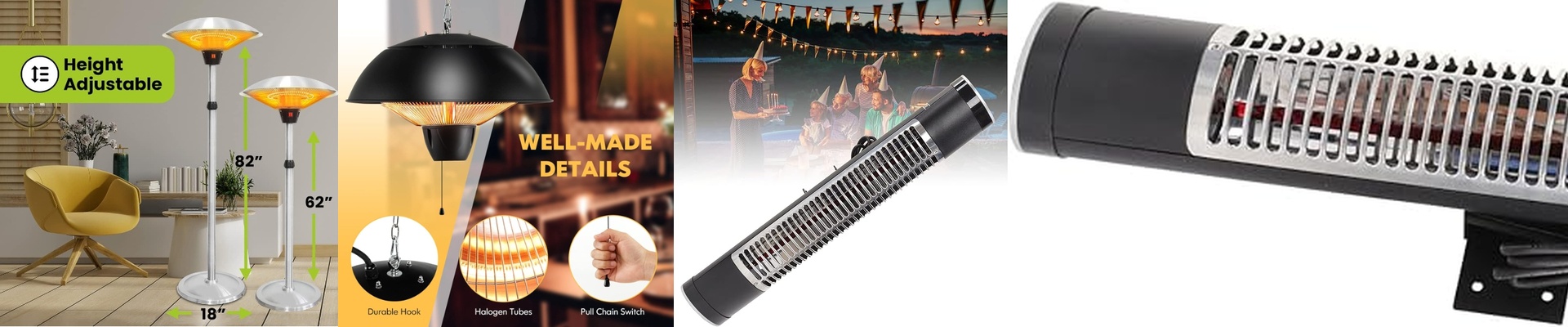
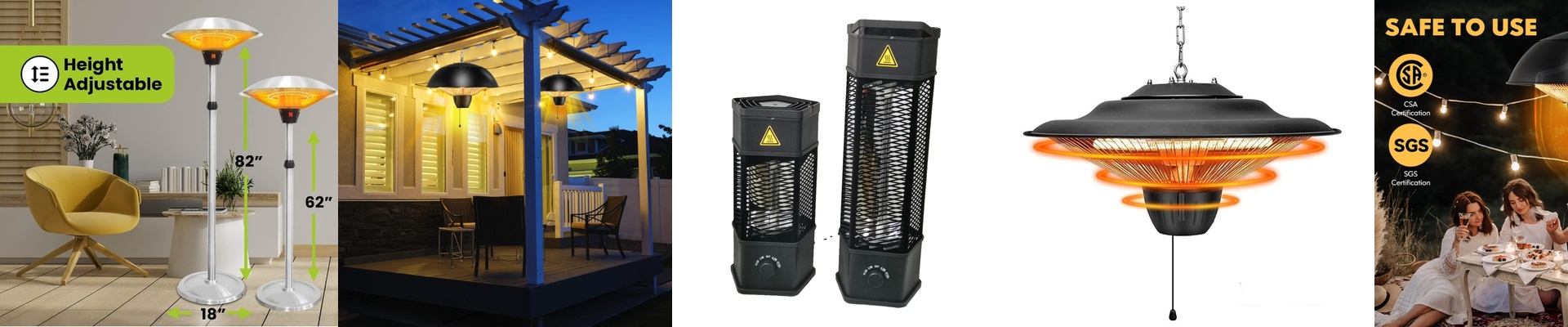
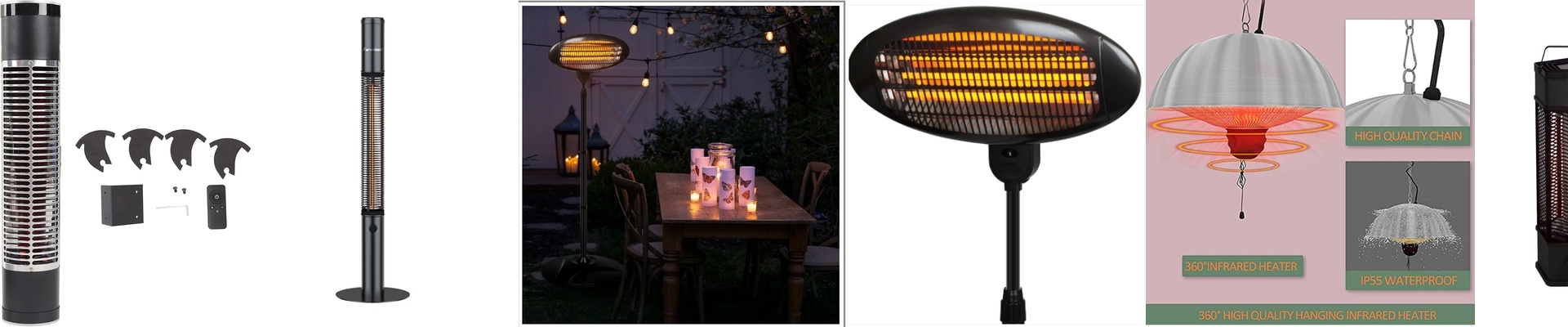
Here’s the thing: in modern bathrooms and outdoor spots, you’re seeing a real shift. High-grade waterproof infrared heaters are quietly replacing the old lamp-style heaters. And the reason is pretty simple. Infrared warms people and surfaces directly, instead of wasting energy heating the air. Add in serious waterproofing, and you get something that actually holds up in wet, steamy places where traditional units tend to give up.
Power, voltage, and sizing—kept real
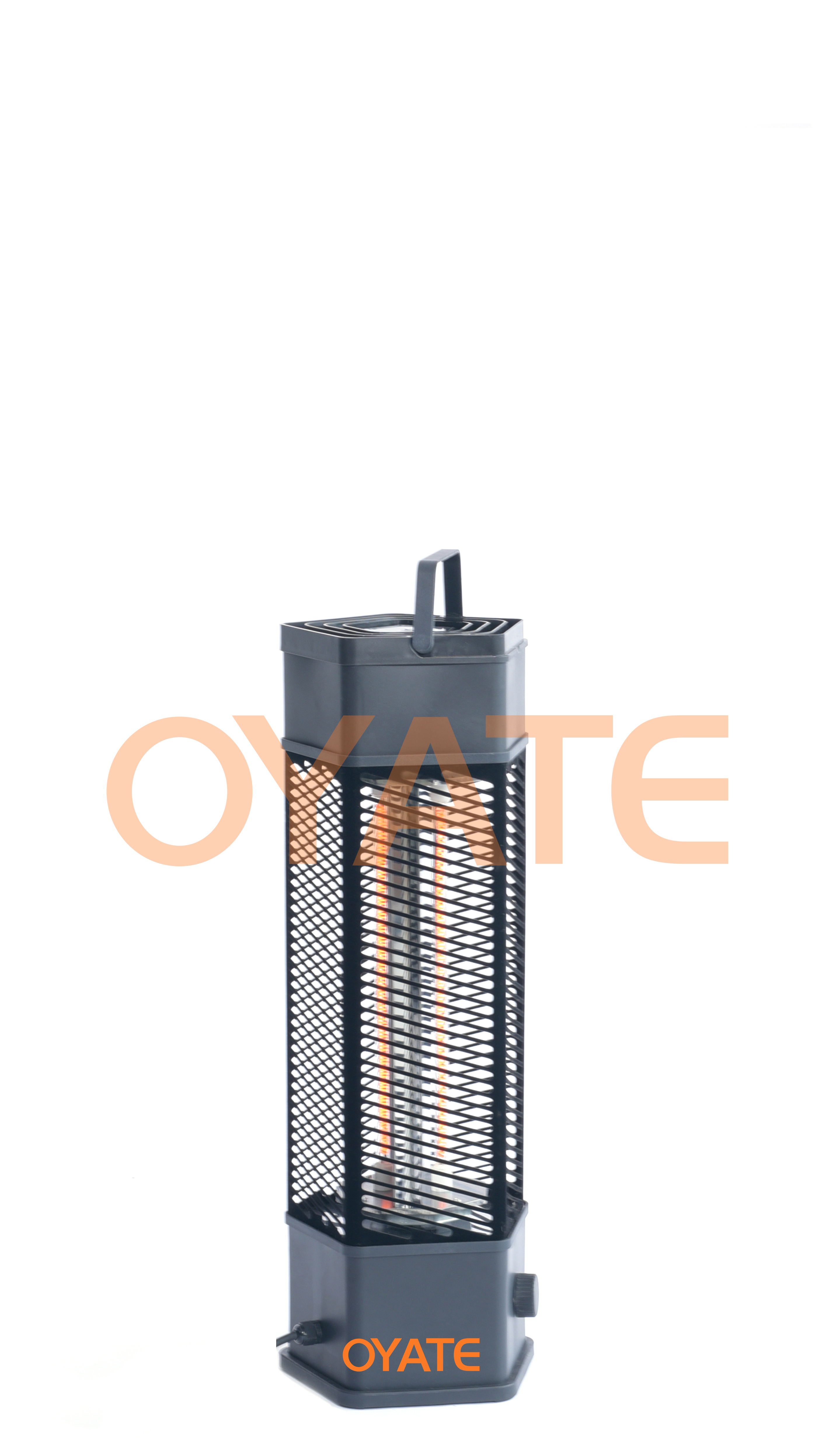
Infrared heaters are built to match real spaces and real electrical setups. Most run on 220V or 240V and deliver between 1500W and 2000W of radiant output. The tube length usually falls between 300mm and 600mm, so you can control exactly how much area gets warmed. That kind of power density means the surface heats up fast. Really fast. But it also means your wiring and circuit protection need to be up to the job. If you try to run a 2000W unit on a weak line, you’ll feel it—voltage drop, flickering, instability. So do this: spec the circuit first, then pick the heater that fits.
What’s inside: materials that matter
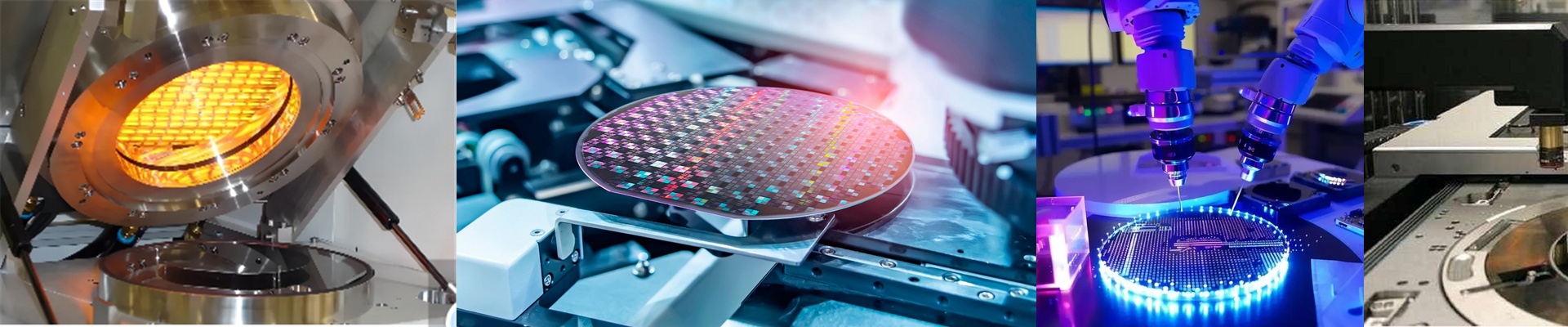
The heating heart is a halogen lamp tucked inside a quartz tube. Quartz handles high heat and keeps infrared energy moving steadily. The halogen cycle helps keep the filament clean, which supports consistent performance over time. Then there’s the waterproofing—coating plus sealed joints—so moisture stays out, even in wet environments. And the wiring? It’s usually an R7s two-pin linear connector. It’s simple, secure, and designed as a drop-in fit for many standard fixtures. That means you can upgrade without tearing your whole setup apart.
Where it shines: bathrooms, outdoor bars, and fast warmth
In bathrooms and outdoor bar areas, what you really want is warmth that shows up quickly, doesn’t vanish into thin air, and doesn’t create safety headaches. Infrared hits that sweet spot. It delivers heat directly to people and surfaces, so you feel warm even when the air is cooler. Installation is easier, too. The R7s connection is straightforward, and the compact tube fits into tight spaces without a fight. But there is one thing to keep in mind: heat density. A compact 2000W unit packs a lot of energy into a small footprint. So plan for clearance, and make sure the surrounding materials can handle the radiant heat. Give it proper airflow and thermal protection, and it’ll run reliably—day after day.