Vacuum IR Heating vs. Forced Air: Which one actually works for you?
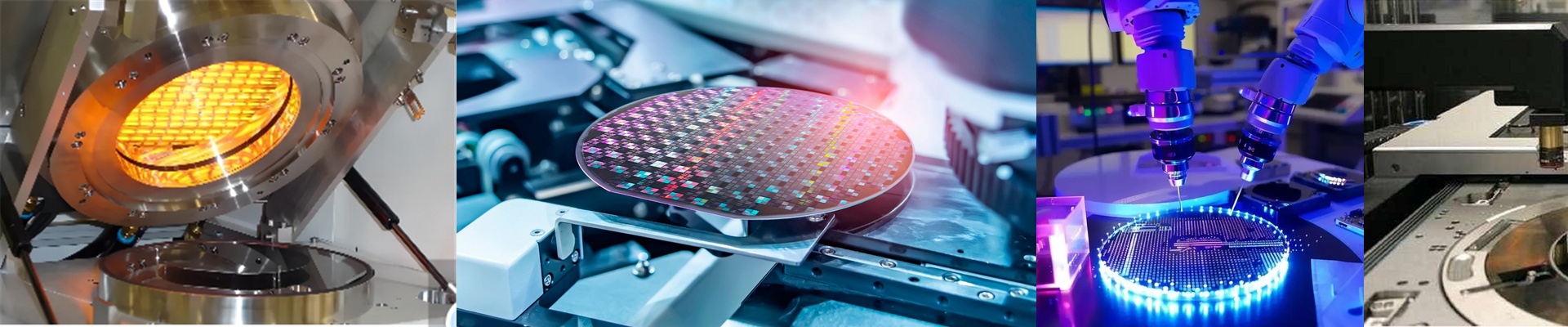
If you’re doing deep processing for semiconductors, you know the struggle with thermal control. It’s the one thing that can either make your day or ruin a batch of wafers. A lot of shops are still sticking with hot air circulation, but lately, we’ve seen more people moving toward vacuum chamber infrared (IR) heaters. Why? Because waiting around for things to heat up is a killer. The problem with air Here is the thing: air is just bad at moving heat. If you use forced air, you have to heat up the entire chamber and all that air inside it before your substrate even feels a thing. It’s slow. It creates this annoying lag. IR is different. It doesn’t bother with the air. It just sends electromagnetic radiation straight to the target. The difference in “ramp-up” time is where this really pays off. While air convection takes minutes to settle in, IR hits your target temperature in seconds. When you’re running high-volume lines, that’s a massive win. It stops the heating stage from being the bottleneck that slows everyone down. Dealing with the vacuum When you run this in a vacuum, you don’t have to worry about convective heat loss. We build our IR lamps to handle a lot of power without burning out. Since the energy goes right into the workpiece, your chamber walls don’t take as much of a hit. But a word of caution: check your cooling systems. Because the energy transfer is so direct and intense, your surrounding fixtures can get hammered if you don’t shield them properly. The trade-offs Now, IR isn’t some magic fix for every single setup. It’s all about line-of-sight. If your parts have weird shapes, deep holes, or complex geometries, you’re going to run into “cold spots.” The radiation simply can’t reach those hidden areas. Hot air, on the other hand, gets into every little nook and cranny. So, if you’re working with flat wafers or uniform substrates, IR is the way to go. It’s fast. Really fast. But for complex 3D parts? You might want a hybrid approach. I always suggest mapping out your thermal profile before you commit to a full IR array. You don’t want to find out too late that you traded your uniformity for a bit of speed.