
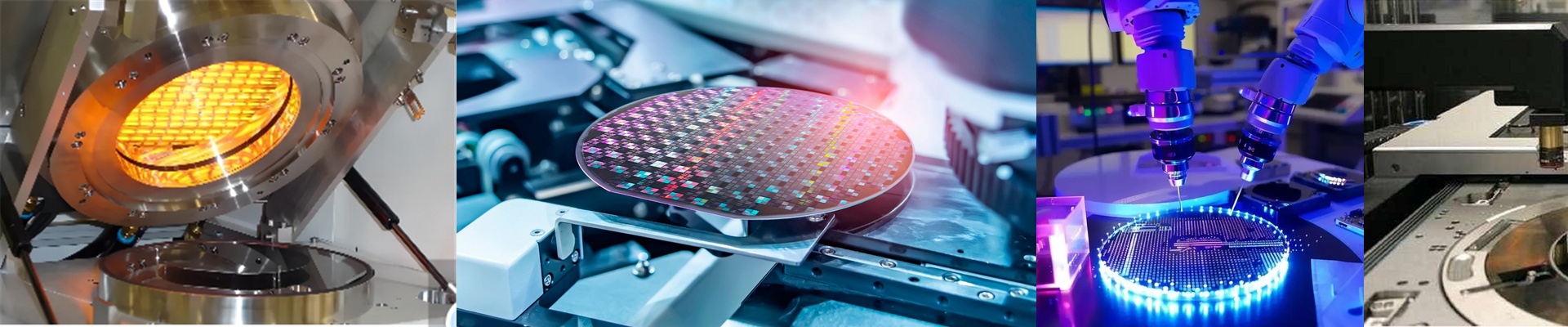
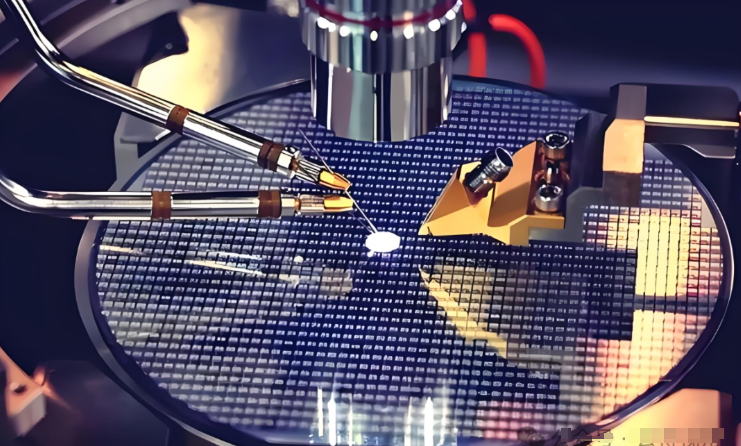
Out on the line, SiC wafers don’t play nice with standard hotplates. Soft bake, hard bake, and post-apply cure all need heat that hits fast and stays uniform, without pushing the wafer past its thermal budget. When the temperature uniformity slips, you get edge bead, profile drift, and yield hits that don’t show up until metrology hours later. What matters, technically We run a SiC wafer processing heater lamp that uses short-wave infrared to put the heat right where it counts—on the resist and the wafer surface—without warming carriers or chamber walls. Response is sub-second, and wafer-level uniformity holds within ±0.1°C across the active area. In practice, that keeps critical dimension control consistent and gets you repeatable profile targets after lithography. The lamp assembly sits comfortably in Class 1–100 cleanrooms. It generates zero particles by design, and the sealed optical path keeps contamination out. Output stays stable over 5,000+ hours with less than 5% drop, so you can run 24/7 without unplanned downtime. Why this works for SiC SiC processing is unforgiving: high thermal conductivity, thin films, and overlay budgets that don’t forgive mistakes. Infrared heating shortens the bake and cure cycle because the energy transfer is direct, not conductive. That cuts the wait between coat and expose, and you avoid the energy draw of bulky hotplate preheating. For soft bake, the lamp flashes off solvent quickly while holding surface temperature under control, so you don’t get skinning. For hard bake and cure, it crosslinks the resist without overheating the layers underneath. The payoff is faster throughput, tighter process windows, and fewer scrapped lots. What you need to know up front Installation comes down to getting the optical standoff and beam profile right for your wafer geometry. The lamp is tuned for 150 mm and 200 mm SiC wafers; if you’re on 300 mm lines, the optics and zone control have to be re-matched to the larger area. Expect a short commissioning run to dial in power density and dwell time for your specific resist stack. Once you set it, the process is repeatable—but yes, the initial setup is part of the work.