
Fixing the “Heat Soak” Problem in Clean Room Trolleys
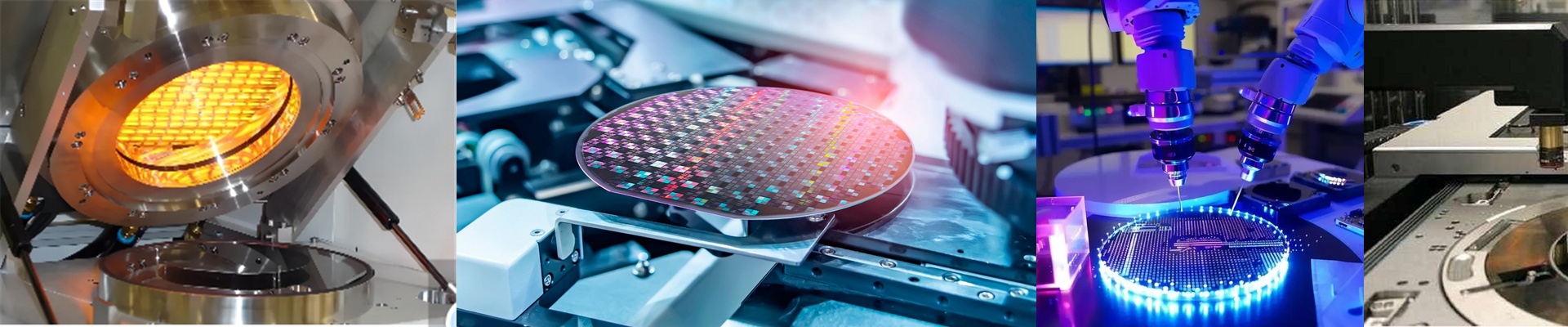
Ever touched a piece of equipment and practically jumped back because it was scorching hot? That’s the problem with standard heating elements. They push heat in every single direction—360 degrees of energy. In a semiconductor clean room trolley, that’s a nightmare. Instead of just heating the part you care about, the energy leaks into the inner walls. The whole chassis basically becomes a giant radiator. It wastes power, and worse, it burns your operators. Here is how we actually fix it: Directional IR heating. Instead of letting the heat bleed everywhere, we use IR lamps with reflective backing or special coatings. Think of it like a flashlight instead of a bare lightbulb. We push all that thermal energy straight at the wafer or substrate. The result? The heat goes exactly where it belongs, and the walls stay cool to the touch. Keeping people safe (without the bulk) When you use targeted IR, you create a massive temperature gap between the heating zone and the outer shell. This is a huge win for safety. Your team isn’t dodging hot spots while moving the trolley. Plus, because the shell isn’t soaking up all that heat, you don’t have to slap on thick, bulky insulation. In a clean room, every inch of floor space is gold. This keeps your footprint small. The catch Now, this isn’t some magic wand. There are trade-offs. Because these lamps are so concentrated, they create an intense “hot spot” at the focal point. If your timing is off or the distance is slightly wrong, you can scorch the material in seconds. It’s a tight window. To keep things from going sideways, you have to be precise with the lamp distance and the duty cycle. We usually suggest plugging in a PID controller. It keeps the temperature steady so you aren’t guessing. Why it matters for your day-to-day The biggest difference you’ll notice is speed. You aren’t wasting time heating up the air and the metal frame of the machine. Everything ramps up way faster. It also makes life easier for the electronics inside the trolley since they aren’t fighting a furnace of trapped heat. Just wire it to a precision timer, and you’ve got a setup that’s safe for the operator and pinpoint accurate for the process.