
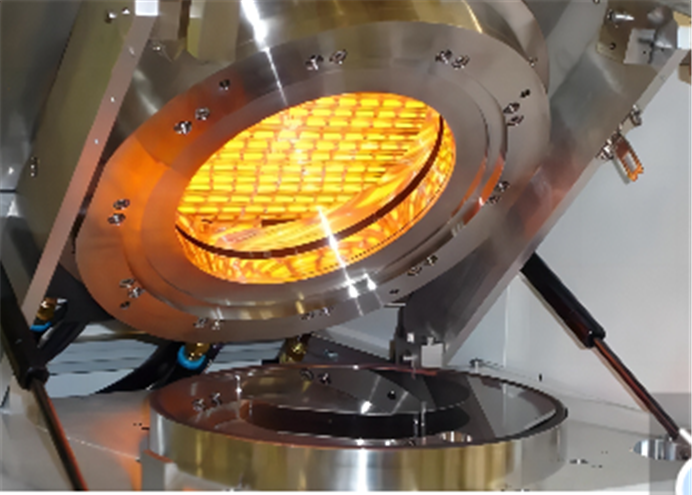
Getting Rid of Ozone in Your IR Curing
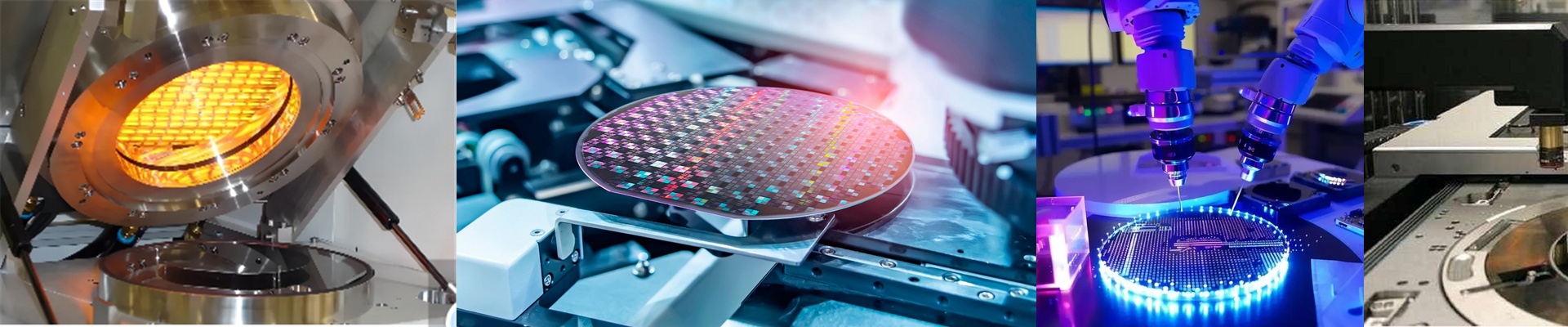
When you’re fabricating semiconductors, the last thing you want is a drying process that messes with your wafers or turns your cleanroom into a hazard. That’s why we use ozone-free infrared (IR) lamps. It helps everyone hit those “green” and lead-free benchmarks without the headache.
Why ozone is a pain
Here is the problem: standard short-wave IR lamps put out radiation in the 185nm to 254nm range. That specific wavelength hits the oxygen in your air and turns it into O3—ozone. In a fab, ozone is basically a liability. It eats away at your tooling and makes the air dangerous for the people actually running the machines. Nobody wants that. We fix this by using quartz tubes with special coatings or dopants. Think of it like a filter for the VUV (Vacuum Ultraviolet) spectrum. By blocking everything below 200nm, the lamp still gives you all the heat you need for curing, but it stops the chemical reaction that creates the ozone. Simple.
What this means for your floor
The best part? You don’t need those massive, clunky exhaust systems to scrub the gas out of the air. Your curing station takes up less space and you stop wasting energy on overkill ventilation. Plus, these lamps put the energy right into the substrate. You aren’t wasting time heating up the air around the part; you’re heating the part itself. It’s why this approach works so well for eco-friendly resins and lead-free solder pastes. Just a heads-up on the trade-off: because we’re filtering that VUV spectrum, the energy distribution shifts a bit. You might need to tweak your conveyor speed or dwell time to hit your target temperature. If you’re running a high-throughput line, just double-check your ramp-up rates to make sure everything is hitting the mark.
Setting it up
We made these to be drop-in replacements. If you already have IR tunnels, these should slide right in. They run on standard industrial voltages, so you can just plug them into your existing controllers and get moving. One tip: keep the quartz tubes clean. If dust builds up on the glass, you’ll get hot spots. That’s a quick way to burn out your filament way sooner than you should. Keep them spotless, and they’ll last.