
Stop Wasting Time on Hot Air: Why Carbon Fiber IR Wins in Semiconductor Processing
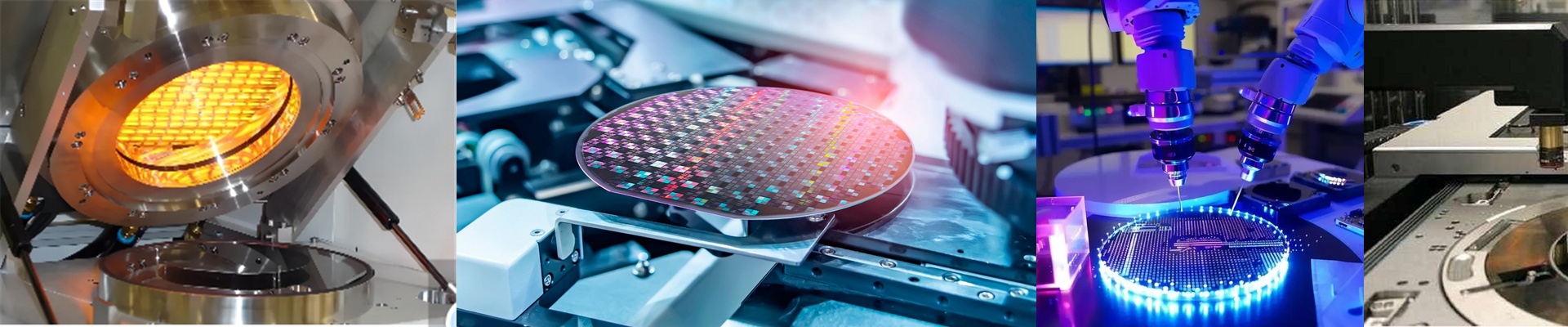
Let’s talk about hot air. Most of us are used to convection—you heat the air, and the air eventually heats the part. But in semiconductor deep processing, that “eventually” is a killer. It creates this annoying lag that eats your throughput and slows everything down. Carbon fiber infrared (IR) lamps handle things differently. They don’t bother with the air at all. Instead, they beam energy directly into the substrate. Why it feels different If you’ve used standard quartz heaters, you know the drill. You wait. You wait for the blower to saturate the chamber. It’s tedious. Carbon fiber filaments are different. The second you flip the switch, they’re on. We’re talking about ramp-up times that drop from minutes to seconds. It’s almost instant. Plus, we’ve tuned these lamps to hit specific wavelengths. This means the energy actually goes where it belongs—into the wafer—rather than just heating up the metal chassis of your machine. Cleaning up the floor One of the best parts? You can stop dealing with the bulk. When you move to IR, those massive ducts and oversized fans can go in the trash. You get way more power in a much smaller space. It lets you tighten up your machine layout and actually get some breathing room on your shop floor. The catch (because there’s always one) Now, I won’t tell you this is magic. There’s a trade-off. Because the heat hits so fast, you can easily overshoot your target temperature if your PID controllers aren’t dialed in. If your sensors are sluggish, the lamp will over-bake the part before the system even realizes it needs to cut the power. You’ll need fast-response thermocouples or pyrometers to keep things under control. But for any shop trying to squeeze more wafers out of every hour, this is the way to go. You’re basically trading the headache of managing air volume for the precision of electrical control. It’s a fair trade.