
Why You Should Stop Using Hot Air for Bio-Sensors
If you’re still using hot air for curing and drying your bio-sensors, you’re probably dealing with a massive bottleneck. Most of the old-school lines do it this way, but it’s honestly a bit tedious. Think about how convection works. You have to heat the air, then the air heats the surface, and finally, the surface heats the substrate. It’s a slow chain reaction. There’s just too much lag.
Cutting the Wait Time
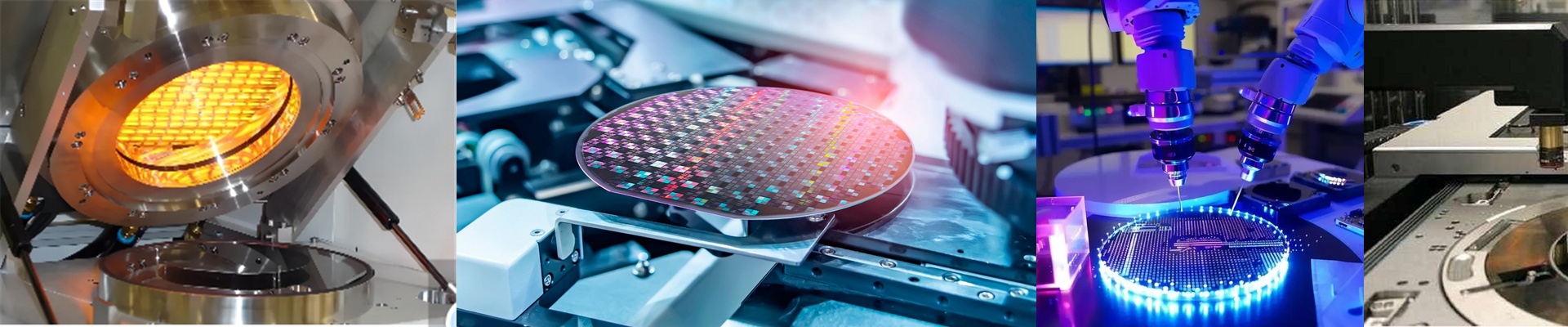
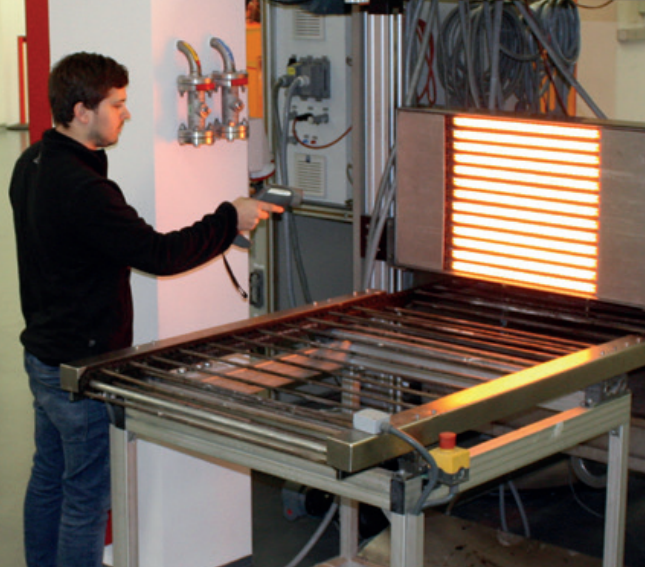
This is where infrared (IR) lamps come in. They don’t bother with the air at all. Instead, they send electromagnetic radiation straight to the source. The photons hit the substrate and turn into heat almost instantly. It’s a direct hit. In the world of semiconductor processing, this saves a ridiculous amount of time. I’ve seen processes that take 20 minutes in a standard oven drop down to just 2 minutes with shortwave IR. But it’s not just about the clock. It’s about protecting your work. Those sensitive bio-active layers can actually “cook” if they sit in hot air for too long. By slashing the exposure time, you keep the material healthy.
Making the Switch
The good news? Swapping to IR is usually pretty straightforward. You basically pull out the blower and the heating element and put in a targeted IR array. Your footprint shrinks, too. You can ditch those giant air ducts and the heavy-duty filtration systems you used to need just to keep the air clean. It clears up a lot of room in the lab. Now, there is one thing to watch out for:hotspots. Since IR is directional, if your lamps aren’t spaced just right, you’ll end up with uneven curing across the wafer. You’ve got to get your reflector angles dialed in to make sure the heat is flat and consistent.
A Better Way to Work
One of the best parts is the “instant-on” feel. Hot air systems take forever to stabilize. You’re just standing there waiting for the oven to reach temperature. IR lamps, on the other hand, are ready in seconds. If you’re running small batches or prototyping new sensors, this is a huge win. You stop wasting time on warm-ups and start actually processing. Your throughput goes up simply because the machine is working more and idling less.