
Cutting Carbon in the Fab: Why IR Curing Just Makes Sense
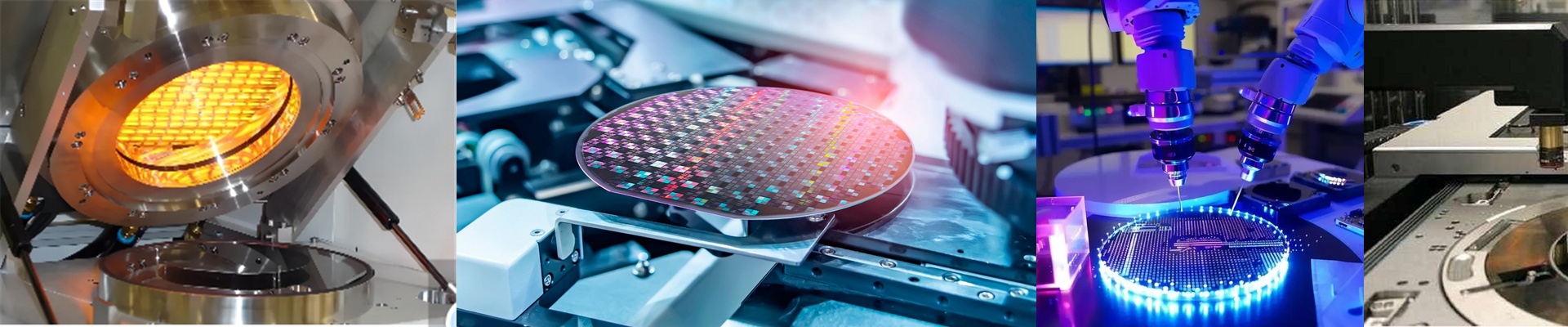
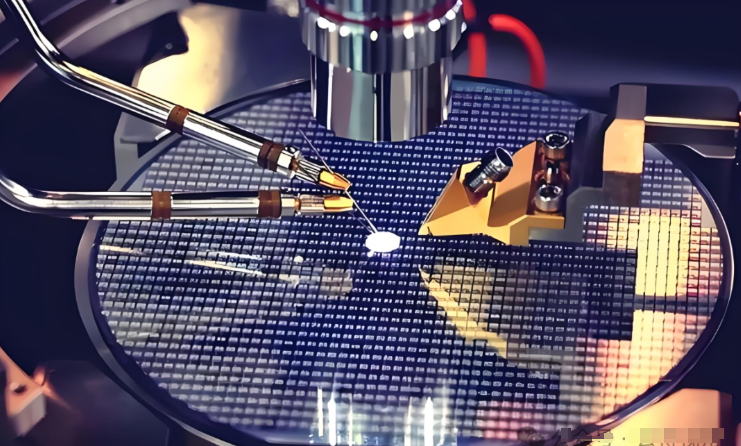
Let’s be honest—semiconductor fabs are absolute power hogs. If you look at where all that electricity is going, a huge chunk of it vanishes into thermal processing. For years, the go-to has been those massive convection ovens. But here’s the problem: they spend way too much energy heating up the air and the oven walls just to get the wafer to the right temperature. It’s wasteful. That’s why we use certified infrared (IR) curing lamps. Instead of heating the whole room, the IR goes straight for the wafer or the photoresist. It’s a direct hit.
The logic behind the energy save
Think about a standard oven. It’s slow. You’re heating a giant volume of air, and you’re losing heat every second. Our IR systems use shortwave radiation. The heat hits the substrate almost instantly. No waiting around. Because the ramp-up is so fast, the cycle times shrink, which means your machines aren’t humming away for hours on end just to finish a batch. We also design these lamps for high power density. By packing that energy into a tight beam, the whole heating station takes up less space. And since you aren’t pumping out massive clouds of waste heat, your HVAC system doesn’t have to work nearly as hard to keep the fab cool.
The real-world setup (and the traps to avoid)
We build these specifically for cleanrooms. That means no outgassing and zero particle shedding. We use high-purity quartz envelopes because the last thing you want is contamination ruining a run. But, a word of caution on the electrical side. These high-wattage lamps pull a serious amount of power the moment they kick on. If your electrical panels aren’t ready for those spikes, you’re going to be tripping breakers all day. And here is the scary part: shortwave IR is intense. If your conveyor belt stalls for even a few seconds, things get hot—fast. Youhaveto wire in a fail-safe interlock. The second that line stops, the power needs to die, or you’ll watch your wafers burn right in front of you.
What this actually does for your metrics
At the end of the day, switching to IR curing just lowers the KWh per wafer. It’s a simple way to shrink your carbon footprint. The best part? It’s usually a drop-in replacement for your old curing stages. You get more throughput and lower emissions without having to tear out your entire production line and start from scratch.