
Keeping Your Class 100 Cleanroom Actually Clean (While Heating Things Up)
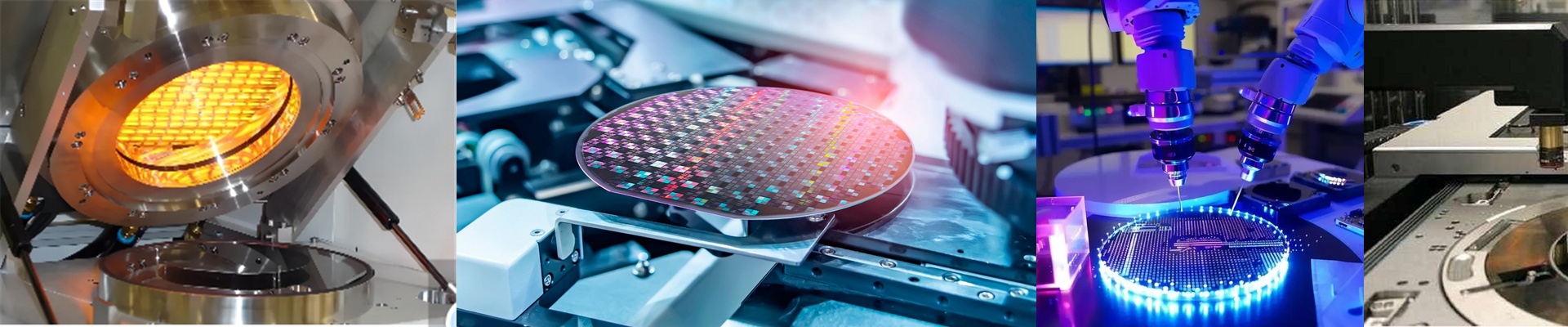
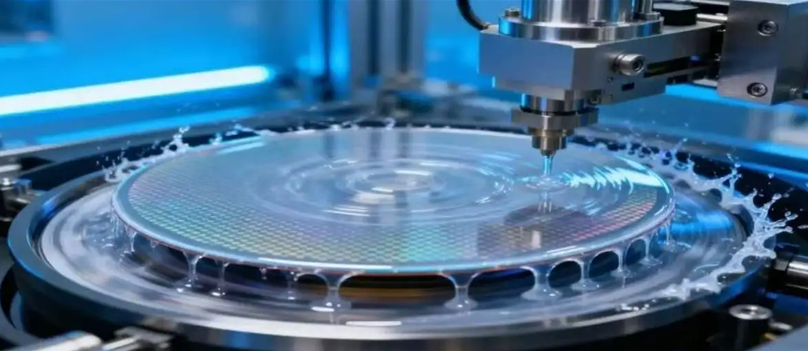
When you’re working in a Class 100 cleanroom, temperature is only half the battle. The real nightmare? Particles. Most standard heaters are a liability. They outgas or shed tiny bits of debris that can wreck a wafer or smudge an optical lens in seconds. It’s a disaster waiting to happen. That’s why we stick with high-purity synthetic quartz infrared lamps.
Why the quartz matters
We use fused silica with a high OH- content. In plain English? The tube won’t fall apart when things get hot. Cheap glass flakes. It releases volatile organic compounds (VOCs) the moment it hits peak temperature. Our quartz doesn’t do that. It just stays stable and inert. Plus, we use short-wave IR. Instead of heating up the air around your part, the radiation hits the target directly. This is huge because it stops those convection currents from kicking up floor dust and sending it right onto your workpiece.
Getting the setup right
We’ve designed these lamps to be leak-proof. We use specific sealing on the electrodes so no metallic dust escapes from the ends of the tube. Just a heads-up: when you’re wiring these in, make sure your connection points are spotless. Any oxidized residue left behind can cause headaches later. These lamps pack a punch. You get a ton of heat in a very small space. But here’s the catch: that power density means you can’t just cram the lamp into a tight spot. Your housing needs to breathe. If you tuck it too tightly into a reflective chamber without any airflow, you’re going to cook your controller’s wiring.
The trade-offs
These are the go-to for semiconductor drying and curing high-end medical devices. You get heat instantly, and your workpiece stays pristine. Just remember that high-purity quartz is a bit more brittle than the doped stuff. If your machinery vibrates or takes a few mechanical shocks, don’t just bolt the lamps in. Use a dampened mounting bracket. It’s a simple step that keeps your tubes from snapping.