
Cutting Carbon in the Cleanroom: Why We’re Switching to IR Heating
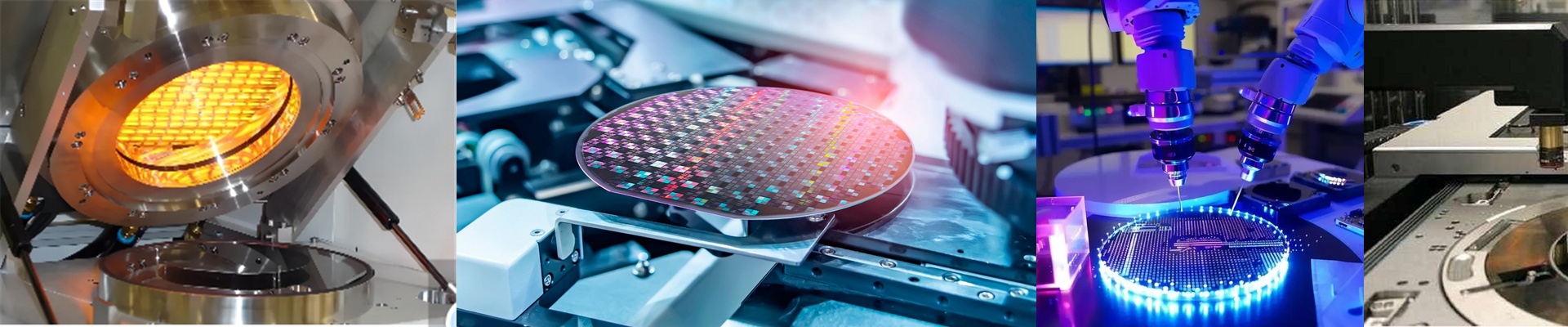
Keeping things at the right temperature inside a semiconductor glovebox is a headache. Usually, people rely on those clunky resistive heating blankets or convection ovens. They work, sure, but they’re incredibly wasteful. We’ve started using short-wave infrared (IR) heater elements instead. It’s a simple swap, but it makes a massive difference in how much energy the cleanroom actually eats. Stop heating the air Here’s the thing: convection heating is lazy. It tries to heat up every single molecule of nitrogen or argon in the box just to get your workpiece warm. That’s a lot of wasted power. IR is different. It uses radiation to hit the target directly. You aren’t fighting the atmosphere; you’re just putting energy exactly where it needs to go. When we match the wattage and voltage to the actual mass of the wafer, the ramp-up time disappears. It’s fast. Really fast. And that means fewer kWh per unit. The nitty-gritty on the gear We build these elements with high-purity quartz tubes. To make them even more efficient, we add specialized coatings. This keeps the energy focused on the substrate so it doesn’t just bounce off the glovebox walls like a mirror. Since we use standard industrial connectors, you can basically just drop these into your existing setup. One heads-up, though: these lamps pack a lot of punch in a tiny space. Because the power density is so high, you can’t cut corners on the wiring. If your cable gauges are too thin, you’ll get voltage drops. That’s how you end up with uneven heating, which is the last thing you want. The real win on the shop floor The best part isn’t even the heater itself—it’s what happens to the rest of the room. Because you aren’t baking the ambient air inside the glovebox, your cooling systems can finally take a break. Your chillers don’t have to fight a losing battle to stabilize the environment. That’s where the carbon reduction actually happens. It’s not about some “green” buzzword or a single fancy part. It’s just about stopping the energy leak across the whole system.