Getting More Heat Where It Actually Matters
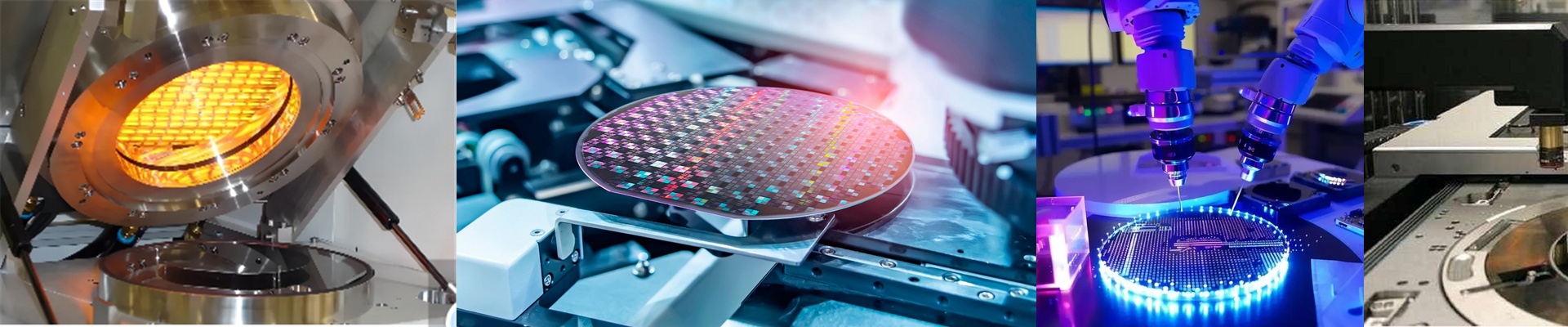
If you’ve ever worked with bio-sensor wafers, you know the struggle. You need a very specific amount of heat on that surface, but standard IR lamps are… well, they’re messy. They throw energy everywhere. Most of that heat just bounces off the walls or disappears into the air, which is basically like paying for electricity you aren’t even using. We figured out a way to stop that waste. We use gold-coated reflectors to push every single watt of power straight onto the substrate. Why gold? It sounds fancy, but it’s actually just practical. Gold is incredible at reflecting infrared light. You could use aluminum or polished steel, sure, but those let too much energy leak out. By adding a thin layer of gold to the housing, we catch the heat that would normally head in the wrong direction and bounce it right back toward the wafer. It turns your lamp into a laser-focused heat source. You get a much denser hit of energy on the surface, but your power bill stays exactly the same. Getting the temperature just right In this business, “close enough” doesn’t cut it. If your heat is uneven, you end up with warped wafers or chemical bonds that just don’t hold. It’s frustrating. Because we can tweak the shape of these gold reflectors, we can control exactly where the beam hits. No more worrying about the center of the wafer scorching while the edges stay cold. You don’t have to buy massive, oversized lamps that risk frying your other components just to get the edges warm. A few things to keep in mind Here’s the catch: when you concentrate that much energy, things get hot. Fast. You’ll want to double-check your wafer clamps and support jigs. They’re going to take a bit of a beating with this increased intensity. Also, make sure your cooling system can handle the load, otherwise, you might find the rest of your chassis soaking up more heat than you’d like. The best part? These are drop-in replacements. You just wire them into your current controller and you’re good to go. You’ll notice the ramp-up time is way faster, mostly because the energy is actually hitting your product instead of heating up your workshop.