
Keeping Your Class 100 Cleanroom Actually Clean
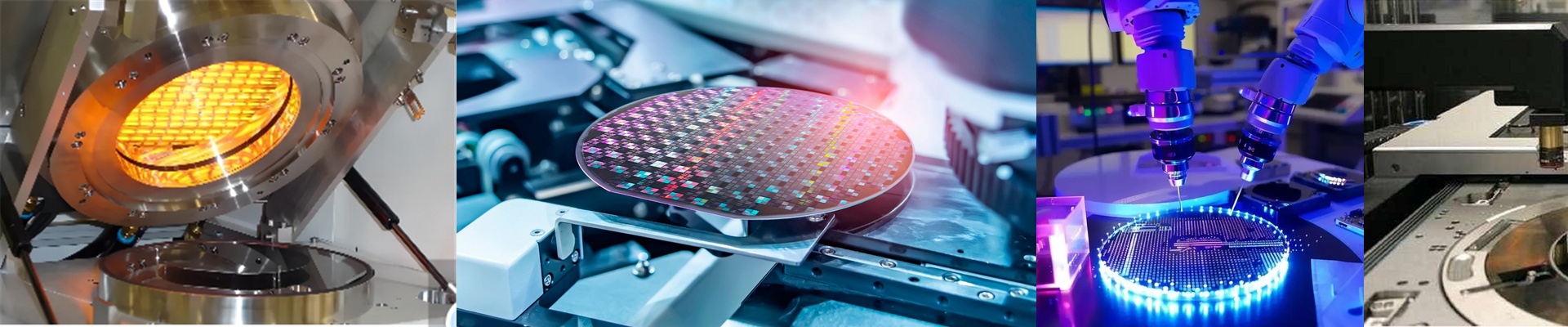
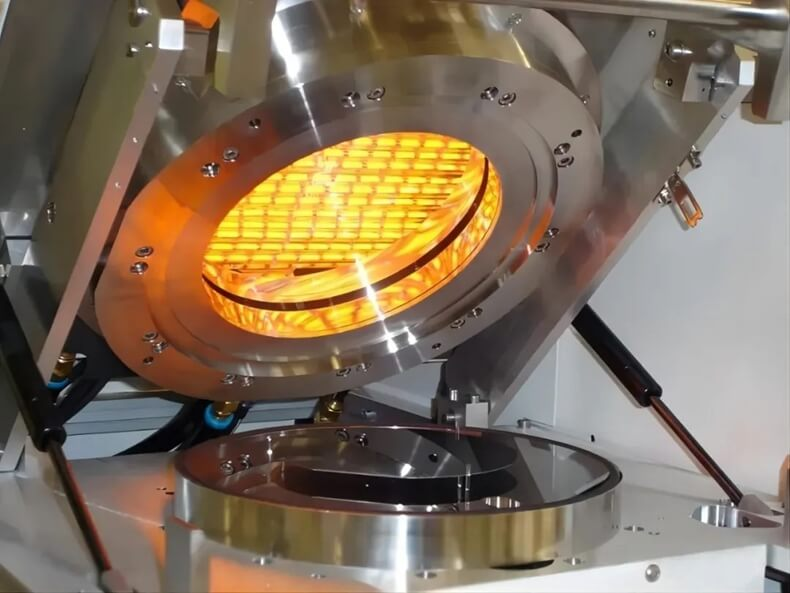
If you’re running a Class 100 (ISO 5) environment, you already know the nightmare of finding a random speck of dust where it doesn’t belong. When it comes to heating, that’s where things usually get messy. Most standard heaters flake or leak weird chemicals (VOCs) the second they start warming up. That’s a non-starter for us. So, we switched to high-purity fused quartz for our infrared lamps.
Why Quartz?
Here is the thing about synthetic fused quartz: it doesn’t really care about temperature swings. It has a near-zero coefficient of thermal expansion, which is a fancy way of saying it won’t crack when you ramp the heat up and down quickly. But the real win is that it’s chemically inert. It just sits there and does its job. It won’t react with the air or shed microscopic debris onto your production line. It’s clean. Simple as that.
No More “Burn-In” Headaches
Most IR lamps are held together with adhesives or organic coatings. The problem? Those things burn off during the first few hours of use. In a normal shop, that’s fine. In a cleanroom, that “burn-in” period is basically a failure. We stripped all that junk out. We use high-grade tungsten filaments and a sealing process that keeps everything locked inside the envelope. Nothing escapes. One quick tip: watch your brackets. You can have the cleanest lamp in the world, but if you use cheap hardware, those brackets will oxidize and flake. Stick with stainless steel or anodized aluminum. It keeps the whole setup consistent.
Getting It Installed
These lamps use short-wave radiation. This is great because they heat your substrates fast without warming up all the air around them. Your HVAC system will thank you. Just a heads-up: these things gethot. Really hot. If you’re packing a bunch of these into a tight array, make sure your heat sinks or cooling fans are actually beefy enough to handle it. If the housing overheats, you’re looking at damaged seals or a fried power supply. Also, do yourself a favor and use high-temperature leads for the wiring. Nobody wants to deal with melted insulation.