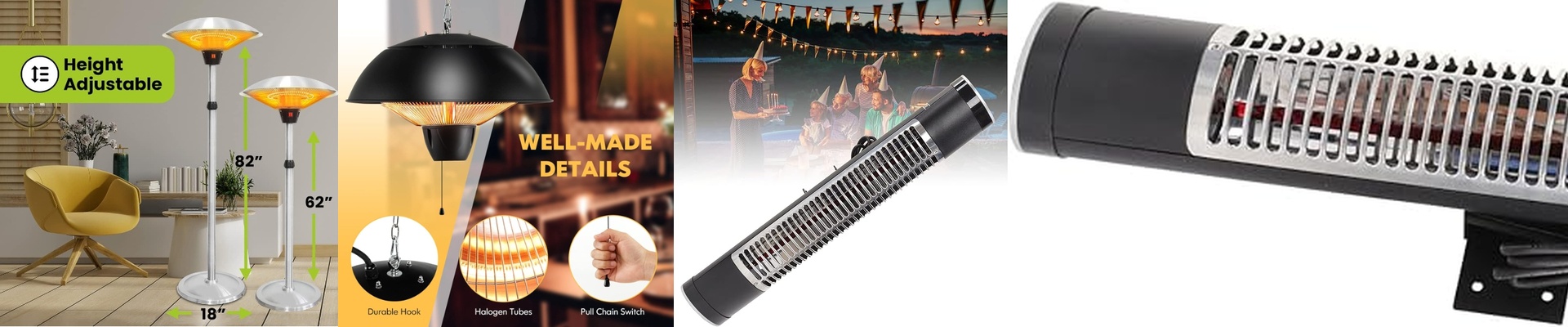
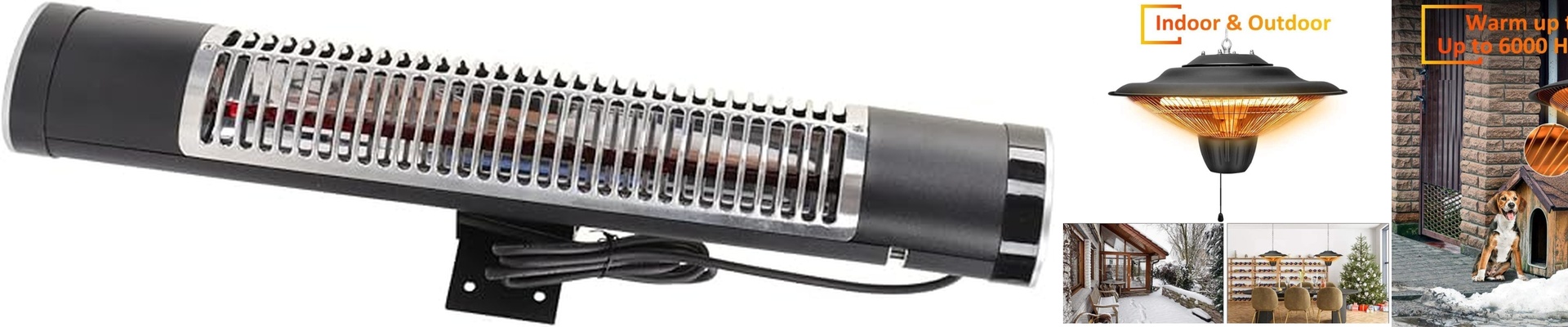
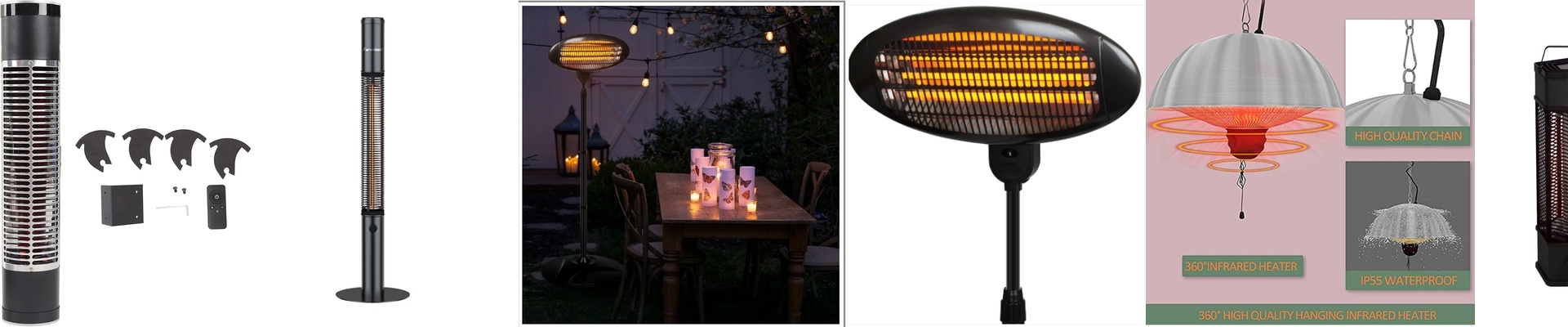
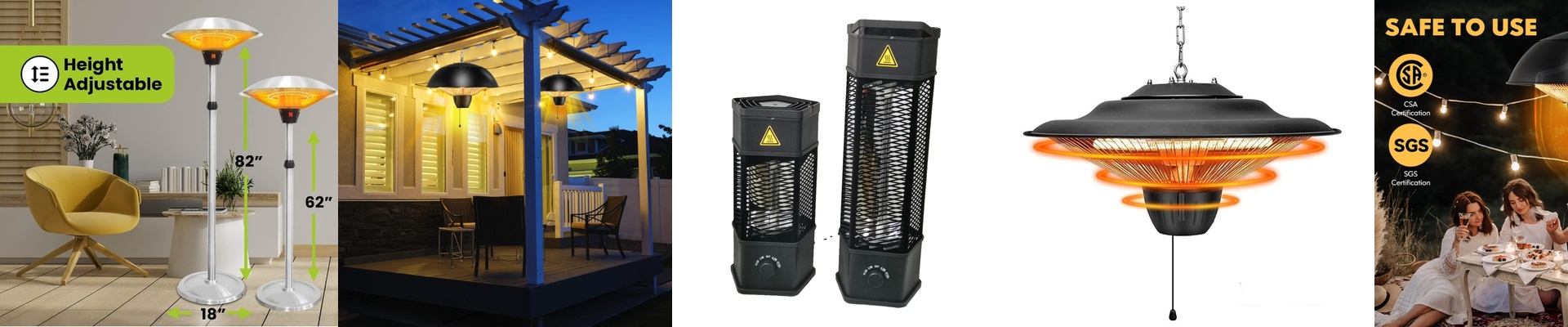
Walk into any sourcing meeting for bathroom heating, and the same question keeps coming up: with so many options out there, how do you pick without getting stuck with a unit that looks good on paper and falls apart in the field? In a category crowded with look-alikes, the one filter that keeps you from chasing short-term wins and then paying for callbacks is genuine CE certification. We build our infrared bathroom heaters around that standard because a bathroom isn’t just asking for warmth—it’s asking for safety, repeatable performance, and peace of mind.
What matters, technically
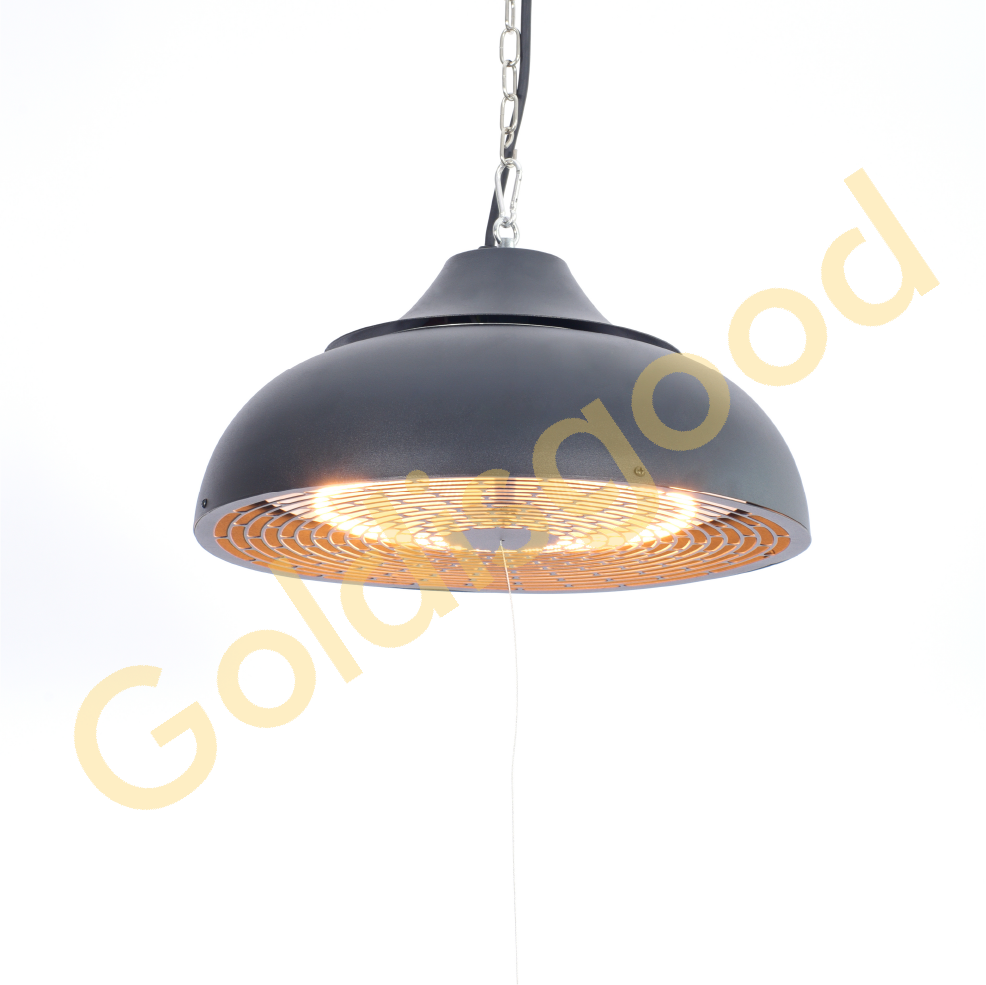
Infrared warmth works the way sunlight does: radiating heat directly onto people and surfaces, not wasting time heating the air. In a bathroom, that means comfort arrives faster with less air movement, which helps cut down on condensation and that damp, musty feel. Our units pair a carbon fiber element with a sealed quartz tube, so you get gentle, draft-free radiant heat. They’re engineered as waterproof heaters rated IP24, built to handle splashes and constant humidity. Every circuit includes overheat protection, tip-over protection, and a thermostat for steady temperature control. CE certification means compliance with electrical safety and EMC requirements, backed by routine third-party testing.
Why this approach fits bathrooms
Bathrooms are tough environments. Steam, tile, and tight quarters will expose any weak point in a heater fast. Spec a CE-certified infrared model and you get consistent output from day one, with no warm-up lag, and energy use that stays in line with occupancy. The day-to-day difference is real: towels dry faster, floors feel less chilly, and the room is comfortable by the time you step out of the shower. For installers, that translates into fewer service calls, thanks to solid construction and safety systems that have been tested, not just promised. For homeowners, it’s the kind of reliability you notice only when it’s missing.
The details that keep it working
Even the best waterproof bathroom heater needs smart placement. Keep the unit at least 0.6 meters from water sources, and hardwire it on a dedicated circuit with proper grounding. Don’t cover the heater, and don’t install it where towels or curtains can block airflow. A quick heads-up: infrared heat warms people and surfaces directly, so the surrounding air can feel cooler compared to a convection heater. Plan the location around sightlines and how the room is used, and you’ll get even, comfortable warmth with minimal maintenance.