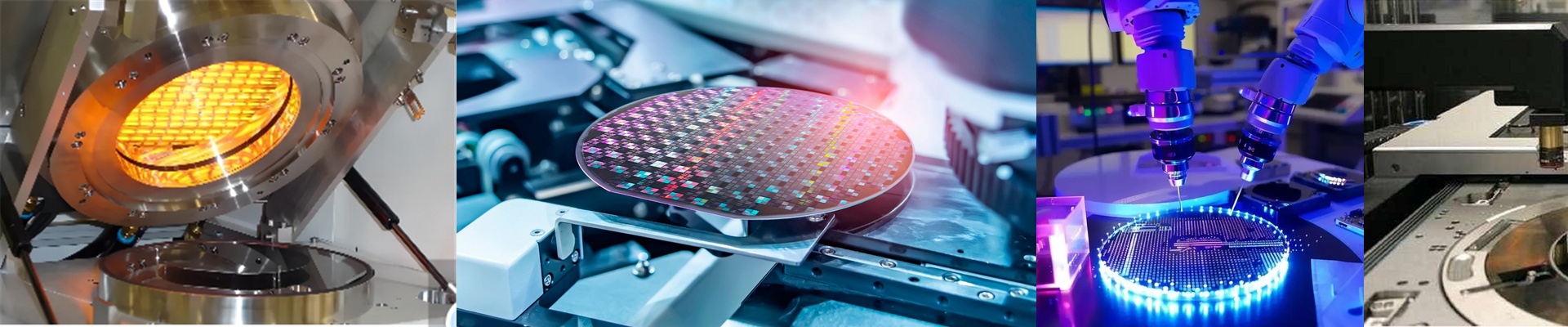

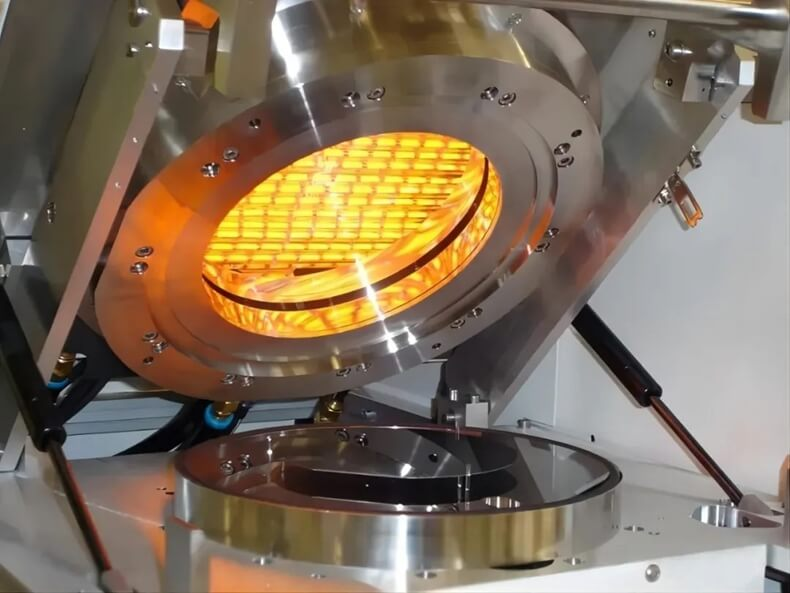
On the line, solid-state battery stacks need thermal control every bit as tight as the wafer tolerances that seed them. Miss the mark on soft bake by even a little, or get a cold spot across the substrate, and lithography yields take a hit while interface layers pick up defects. We built this solid-state battery processing heater to keep every step inside the thermal budget, period. What matters, technically We lean on short-wave infrared with fast-response quartz emitters to drive heat straight into the substrate. Across the active zone, wafer-level uniformity holds at ±0.1°C, and shot-to-shot repeatability stays under ±0.5°C. The system runs in Class 1–100 cleanrooms without adding particles, and we verify that in-situ. Photoresist profiles stay consistent from soft bake through hard bake, and cure windows land with millisecond control—no drift from long ramps. Why it sticks in solid-state battery fab In this process, wafer drying, photoresist pre-bake, and interface curing run back-to-back. Infrared shaves cycle time by killing soak delays, and closed-loop control keeps critical dimensions inside spec. You end up with tighter CD control, fewer rework lots, and lower energy use because the energy goes into the film and substrate, not the chamber. Process windows open up, and yield becomes predictable. The things you want to know up front Integration is straightforward, but set the emitter-to-substrate gap precisely—uniformity lives or dies there. Expect a short commissioning run to dial in recipe ramps and dwell times for your specific stack. The emitters are rated for 5,000+ hours with minimal output drift, and we schedule preventive calibration every 2,000 hours to keep temperature repeatability on spec.