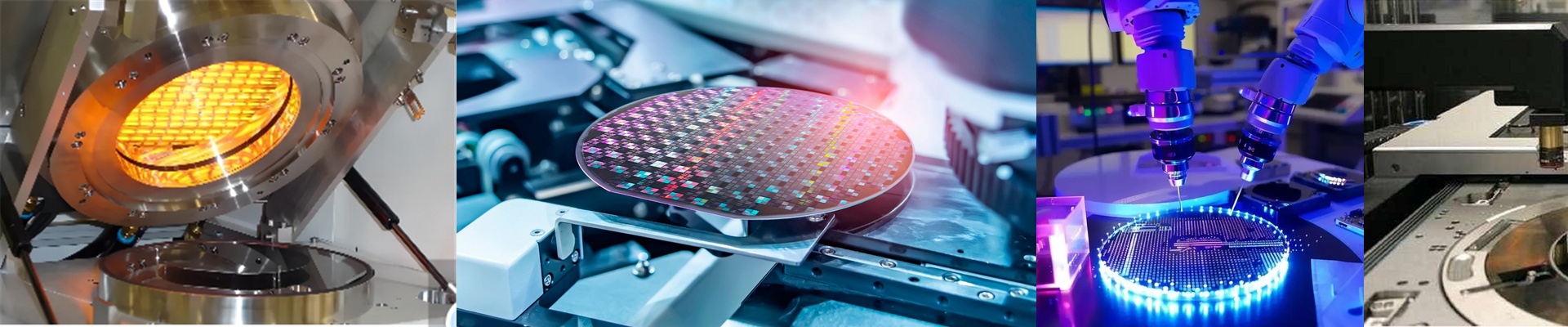
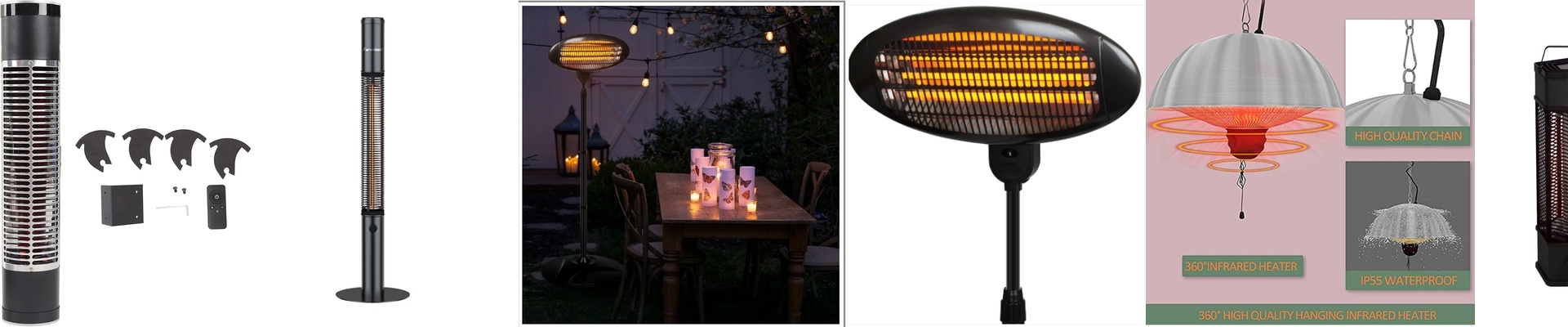
On the fab floor, your oxidation furnace’s thermal budget sets the baseline for gate oxide integrity across the entire wafer. A 1°C drift is all it takes to turn a good lot into scrap. We built our wafer oxidation heating element to take that variability off the table. What matters, technically The heart of the design is a quartz-halogen lamp array that dumps short-wave energy straight into the wafer boat. That gives you thermal uniformity of ±0.1°C across the process zone. At sub-10nm nodes, you can’t negotiate on this. Photoresist profile and etch selectivity live and die on the precision of your soft bake and hard bake. This element holds that stability shift after shift, 24/7, and it runs clean — zero particle generation, verified for Class 1 cleanroom conditions. Why it holds up in production This directly attacks the yield pressure in lithography and etch. When temperature profiles are consistent and repeatable, photoresist thickness stays uniform after the hard bake, so you don’t see scumming or line-edge roughness when you hit the etch. The payoff is fewer reworks and a steady bump in wafers per mask. You also get better energy efficiency, which lowers operating cost without slowing throughput. What you need to plan for The element drops into existing furnace platforms, but it needs a dedicated power supply and control interface to perform the way it should. The short-wave profile is ideal for rapid thermal processing, but alignment to the wafer boat has to be spot-on — misalignment will create localized hot spots. We run on-site validation to match the thermal profile to your exact process recipe, so performance repeats lot after lot.