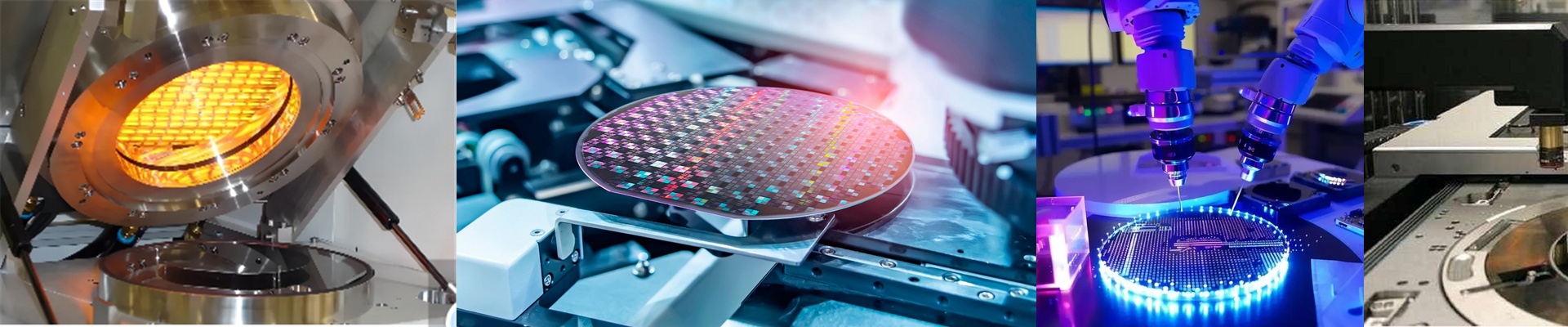
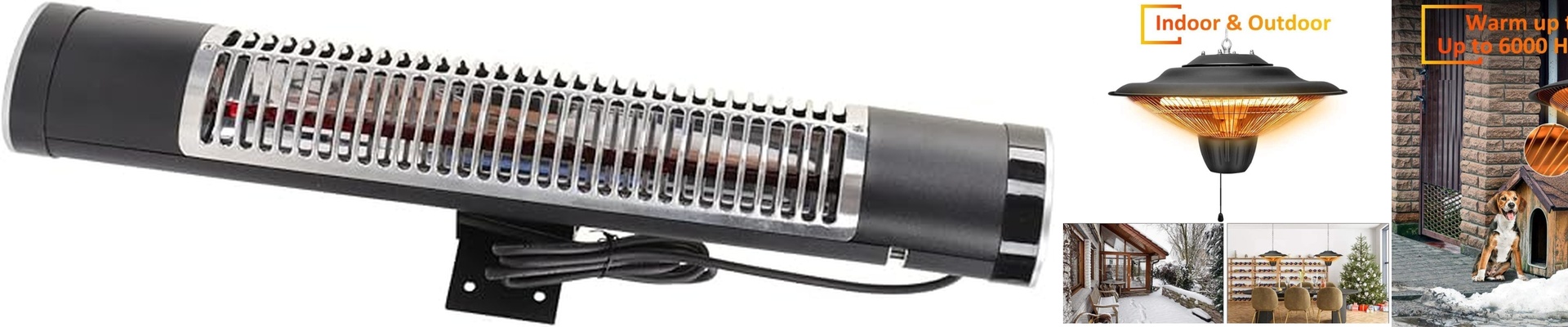
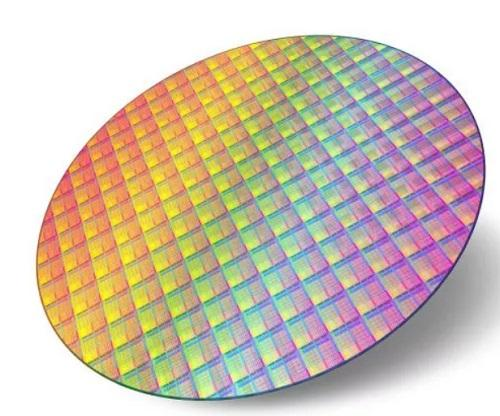
On the fab floor, a soft bake at 110°C with ±1.5°C drift isn’t just a parameter—it’s a yield leak waiting to open. Watermarks, edge bead, pattern collapse—those start the moment thermal control slips. You need a dryer that treats the wafer as a thermal boundary condition, not another batch to push through. We build wafer dryers around repeatable heat transfer and contamination control. The heart is short-wave infrared, fast and directional, married to a quartz-isolated chamber that keeps particle generation at the baseline. Temperature uniformity across the wafer stays within ±0.1°C, and setpoint stability holds at ±0.2°C through long bakes. Recipe control locks time and temperature so photoresist behavior is identical lot to lot. The system is rated for cleanroom Class 1–100, with HEPA-integrated exhaust and materials chosen to avoid outgassing. What this buys you in lithography is simple: fewer reworks and tighter CD control. Soft bake repeatability cuts residual solvent variance. Hard bake consistency improves adhesion and etch selectivity. Short cycles and efficient infrared coupling lower energy use, and the platform is engineered for 24/7 operation—zero unplanned downtime is the target, not a line item. For a China wafer dryer manufacturer, the point is process integrity: the dryer can’t become a thermal or particulate risk. Matching the dryer to the line comes down to interfaces. You need SECS/GEM communication, exhaust amperage matched to the track, and a footprint that fits the handoff. Expect a commissioning window to tune lamp power maps for your wafer sizes and recipes. Yes, there’s upfront setup time—once calibrated, the process window tightens, but the payoff is stable yield.