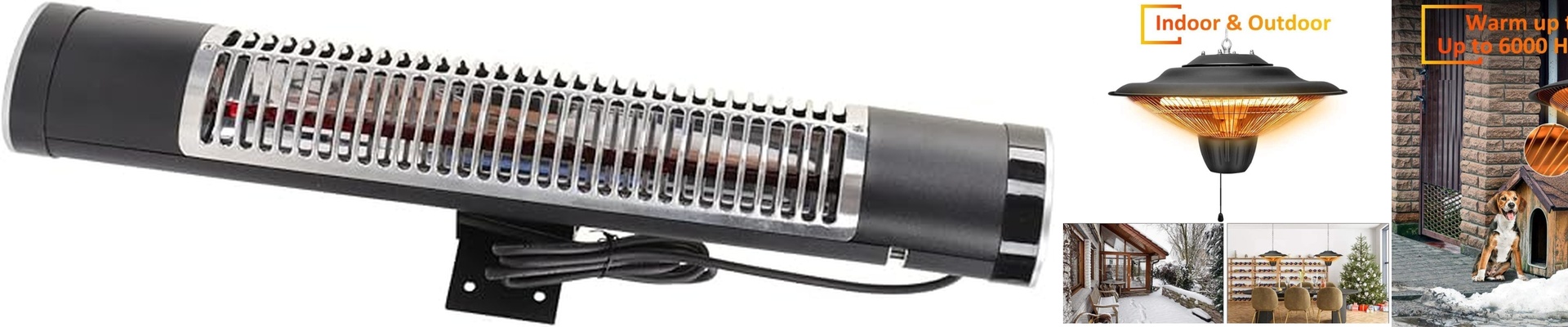
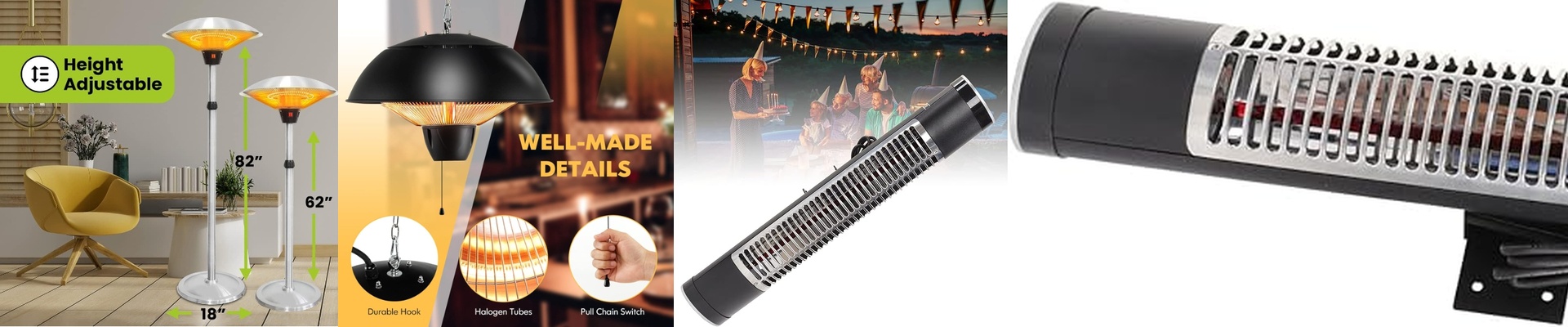
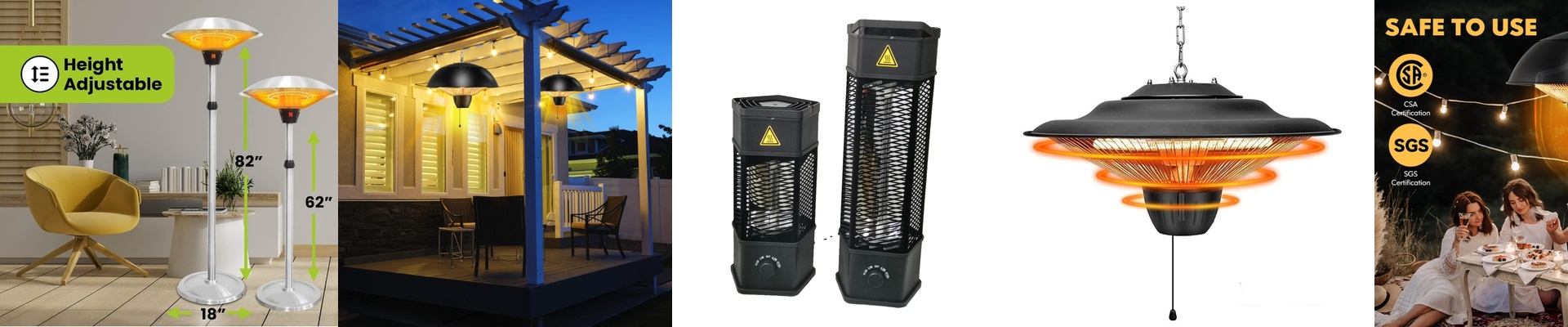

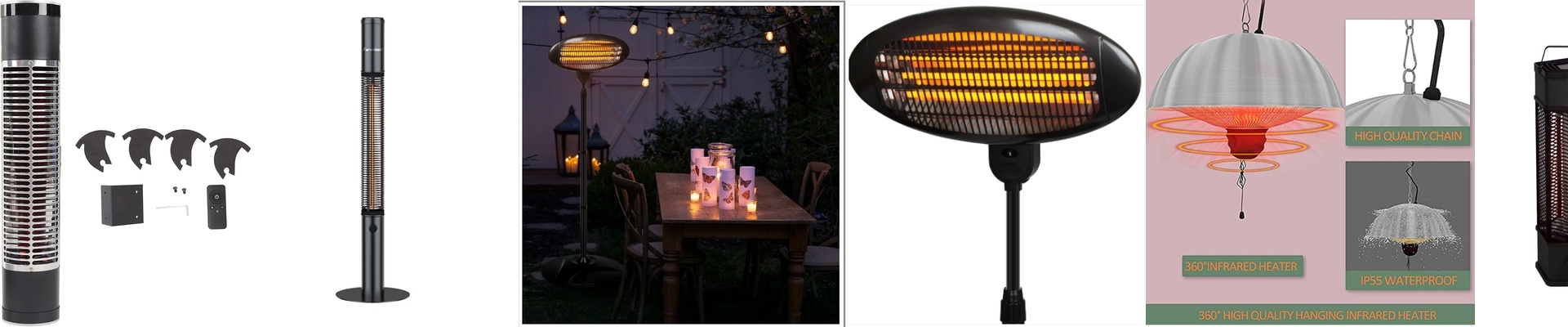

Walk into a bathroom remodel these days, and the conversation isn’t just about heat—it’s about control, safety, and durability. The old bulb-style heaters do put out warmth, but they also throw glare, patchy coverage, and a short service life when the room is steamy. That’s why high waterproof-grade infrared heaters are becoming the go-to: they make a humid space feel dependable. Here’s what matters under the hood. A dimmable patio heater built for wet areas relies on infrared radiant heat, not blown air. Inside is a sealed quartz or carbon fiber element that delivers warmth straight to people and surfaces, with almost no warm-up lag. Key specs are the IP rating—aim for IP55 or higher for solid resistance to water jets and condensation—and the dimming range, usually 30–100%, so you can match output to who’s in the room and what the conditions are. In practice, a 1,500–2,000 W unit can run at full power for a fast warm-up, then settle into a lower setting to hold comfort without overshooting. The payoff is steadier air, fewer hot/cold swings, and a heater that can sit where moisture collects without giving you grief. So why does this work so well in a bathroom upgrade? Two reasons: comfort and longevity. Radiant heat warms you at the core, which helps muscles relax and keeps cold floors and walls from stealing that warmth. And because the heating element is sealed and protected, you don’t worry as much about steam working its way in—fewer failures, and longer stretches between replacements. The dimming control adds another layer of comfort. Drop it to a lower setting for a long soak, crank it up for a quick warm-up after a shower. Energy use stays in line, since you’re not running full power when the room already feels right. A few practical notes. Plan on a dedicated, properly grounded circuit and a GFCI outlet where code calls for it. Infrared heaters deliver focused warmth, so placement matters—mount it to cover the main seating or shower zone without shining directly in someone’s eyes. Dimming performance depends on compatible controls. Some models are happiest with their own thermostat or remote, and not every dimmer switch plays nicely with the electronics. You’ll notice a bit of radiant glare near the element, and keep clearances open for airflow and service access.