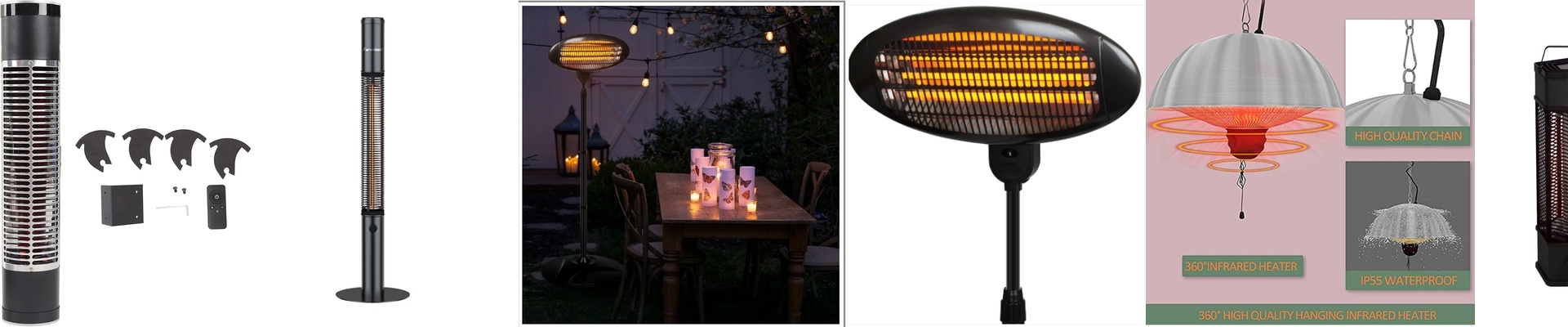
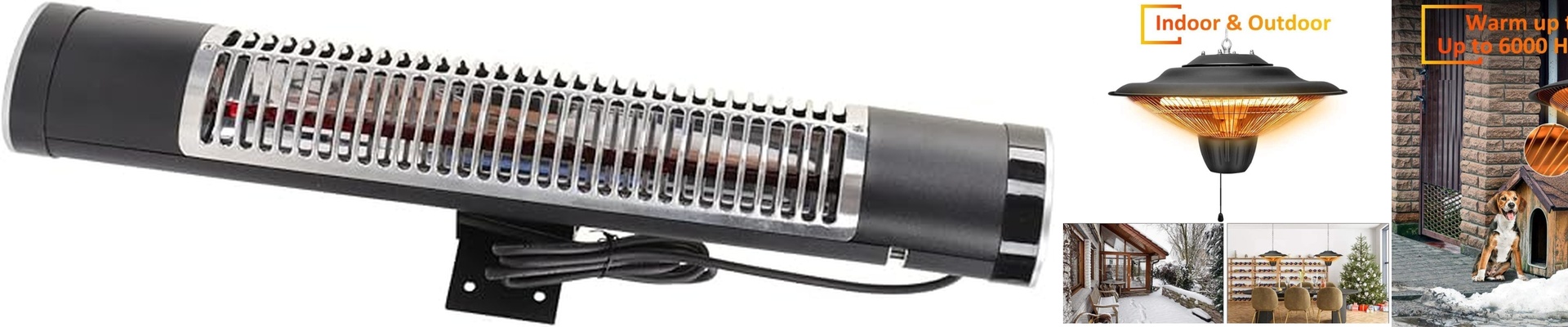


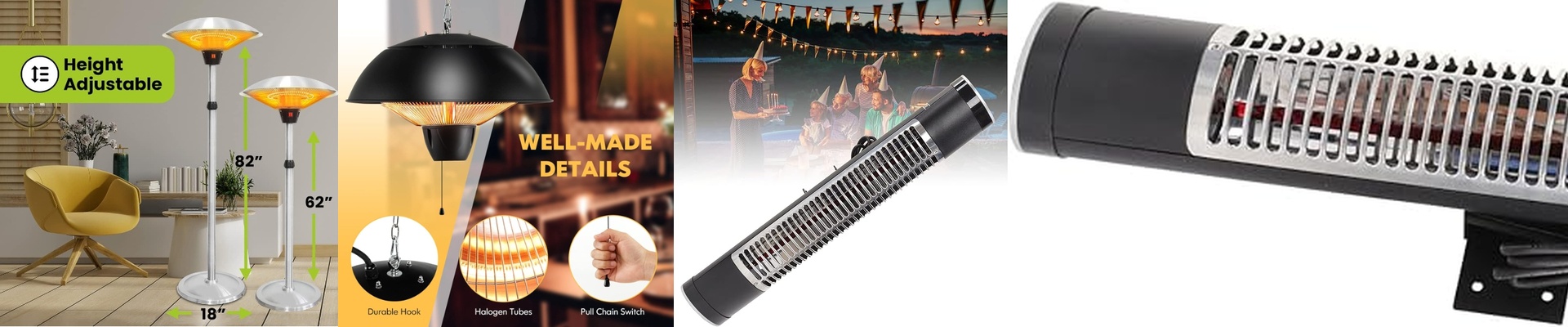
A high-power electric heater feels like a small miracle when the evening chill hits—until the warmth just misses the mark. With infrared, comfort isn’t only about wattage. It’s about placement. Mount it too low and you get a hot spot on the floor while your shoulders stay cold. Mount it too high and the radiant energy sails right over, leaving you reaching for another layer.
What matters under the hood
Infrared warmth travels in straight lines, heating people and surfaces directly—not the air. A high-power electric heater delivers this cleanly, often using a carbon fiber element or a quartz tube to put out steady, draft-free radiant heat. Output is typically measured in watts, and the beam spread sets the coverage area. The practical goal is simple: match the element’s heat pattern to the room or patio footprint so the warmth lands where you actually sit.
Why height makes the difference
Installation height directly shapes comfort. For most home and outdoor heating setups, mount an infrared heater between 6 and 8 feet off the floor. That range gives you a balanced mix of coverage and warmth. Angle the unit slightly downward—roughly 15 to 25 degrees—so the beam hits the seating zone, not the ceiling. Do that, and you cut wasted energy, feel the warmth faster, and keep the area around you more even.
The real-world details that matter
Results depend on the environment. On windy patios, position the heater so the beam isn’t taking a direct hit from crosswinds, and check the IP rating for moisture protection. Indoors, keep clearances clear and use the supplied mounting hardware—no shortcuts on stability. And here’s the practical part: infrared is directional. Objects in the beam—furniture, curtains—can cast “shadows” that feel cooler. Plan the layout with a clear line of sight, and the warmth becomes effortless.