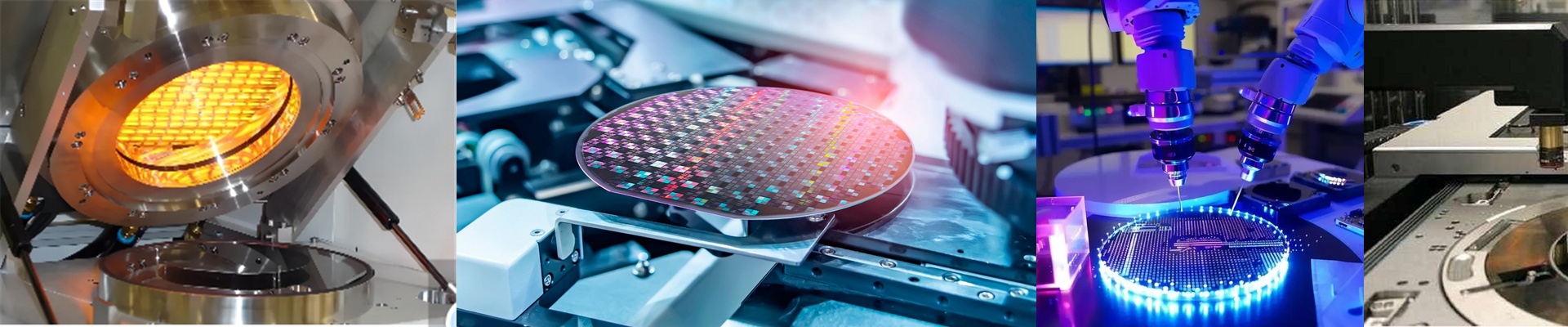
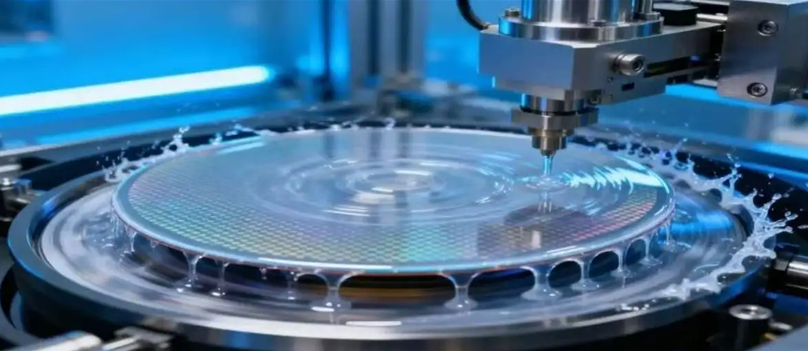
On the fab floor, the soft bake oven is always humming, but the thermal bottleneck that bites you is usually the heating lamp inside the thermal analyzer. A 2°C drift in lamp output during a photoresist bake is enough to shift critical dimensions by nanometers — and that’s when the line stops. We built the thermal analyzer heating lamp to take that uncertainty out of the equation. What matters, technically The lamp runs on near-infrared (NIR) short-wave energy, with a quartz envelope for fast, clean heat transfer. It’s designed for a 300–600°C operating window, and it holds wafer-level uniformity at ±0.1°C across the bake zone. Power comes in through a standardized high-temperature connector, sized to fit common analyzer chambers without tearing the equipment apart. We tuned the filament geometry and reflector path to cut down gradients, so the center-to-edge thermal budget lines up with the process spec. No surprises, just repeatable heat. Why it holds up in lithography In lithography, the soft bake and hard bake steps set the photoresist profile. Temperature repeatability is what keeps CD under control and yield in the green. This lamp is Class 1–100 cleanroom compatible, and it generates zero particles at the hot zone — which keeps defect counts where you want them. It runs day in, day out in production, with 5,000+ hours of stable output and less than 5% intensity drop. Fewer lamp swaps, less downtime, and thermal profiles you can count on wafer after wafer, lot after lot. The details you need to plan for The lamp needs a dedicated power supply with matched current control. If you’re retrofitting legacy analyzers, expect minor mechanical clearance tweaks. You’ll get the best output stability when chamber emissivity is controlled and the lamp is recalibrated on schedule. Line it up with your preventive maintenance window, and make sure the lamp alignment follows your SOP.