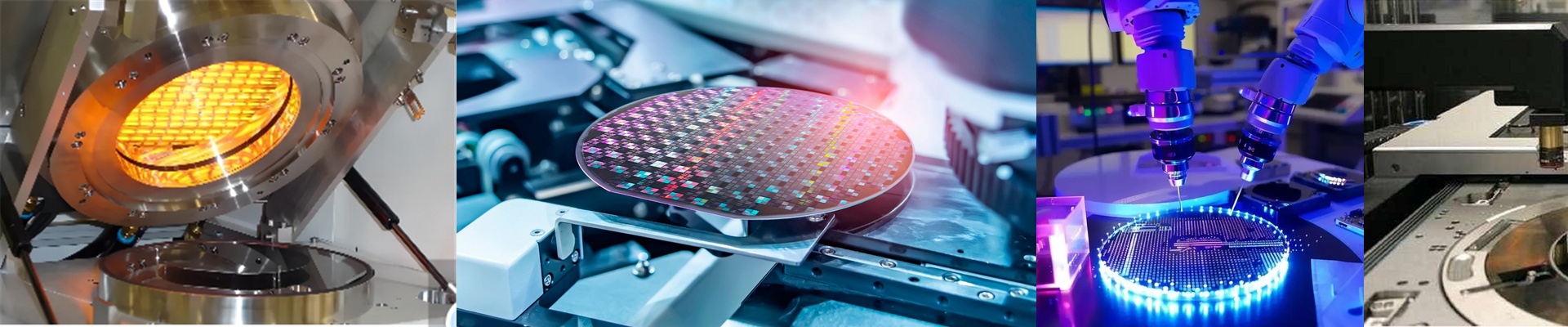
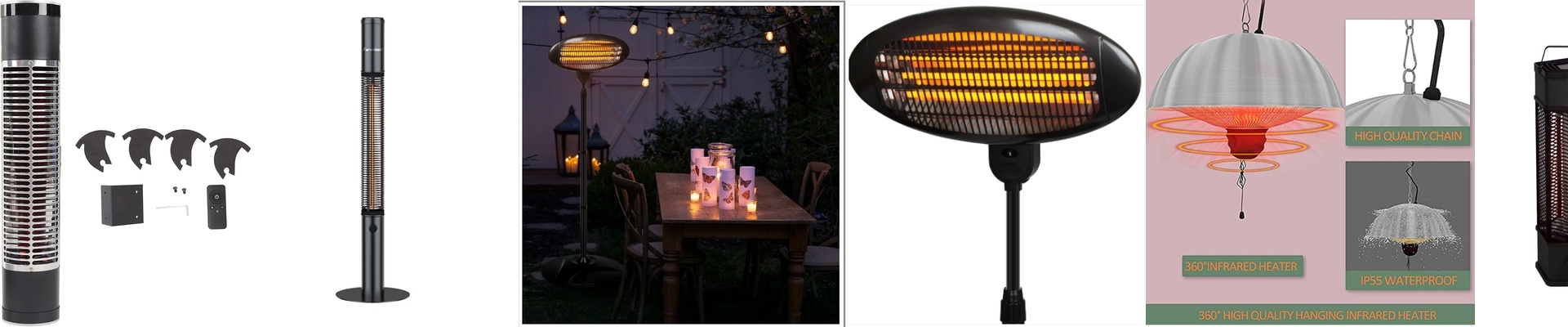
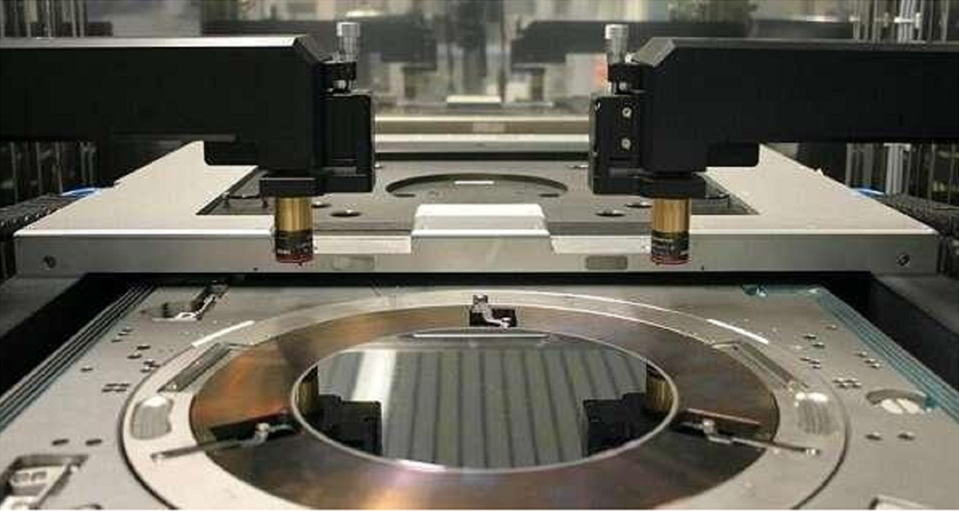
On the fab floor, a 300 mm wafer sits on the line, waiting for the soft bake that locks in the photoresist profile. If the hotplate drifts even a little, line-width control goes sideways and the whole lot can end up as scrap. We built the XRD heating lamps to take that variability off the table.
What matters, technically
The lamps run short-wave infrared with quartz halogen elements, dumping heat directly where it’s needed. Temperature uniformity across the wafer holds at ±0.1°C, and setpoint repeatability stays tight run after run. They live in Class 1–100 cleanrooms, and during operation particle generation stays below 0.1 particle/cm³. Output stays stable over 5,000+ hours, with intensity drift under 5%.
Why this works in lithography
Soft bake is where you pull the solvents out and set film stress. Hard bake then locks in the cured profile for etch and implant. These lamps get to temperature fast, shorten the bake, and keep the thermal budget clean. The payoff is consistent critical dimension performance, fewer reworks, and less energy per wafer. And when you’re drying wafers after cleaning, the same control keeps re-condensation and water marks from showing up—so yield stays up.
What to keep in mind
The footprint is compact and they drop into most track and coater modules, but integration still needs attention. Check optical path clearance, make sure the power supply is stable, and verify the exhaust path for volatiles. There’s a short warm-up to hit setpoint—plan your bake recipes around that ramp. Once alignment and calibration are dialed in, the process window opens up without adding extra complexity.