
Stopping the Contamination Nightmare in Fab Drying
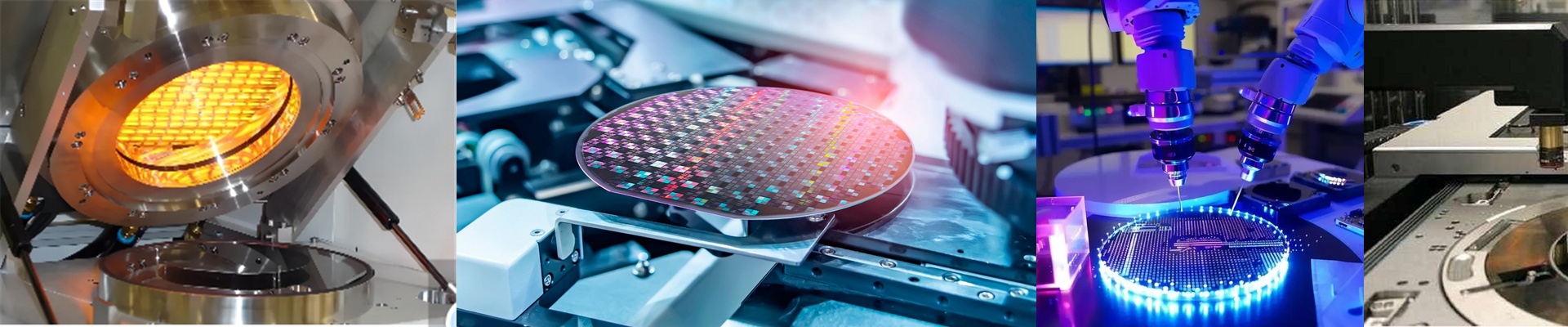
If you’re running a Class 100 cleanroom, you already know the drill: one tiny speck of dust and your wafer yield takes a dive. It’s frustrating. Most heating elements are the culprit—they outgas or flake off little bits of debris right when you need them to be stable. That’s why we switched to high-purity synthetic quartz for our IR lamps. It just stops the madness.
Why it actually works
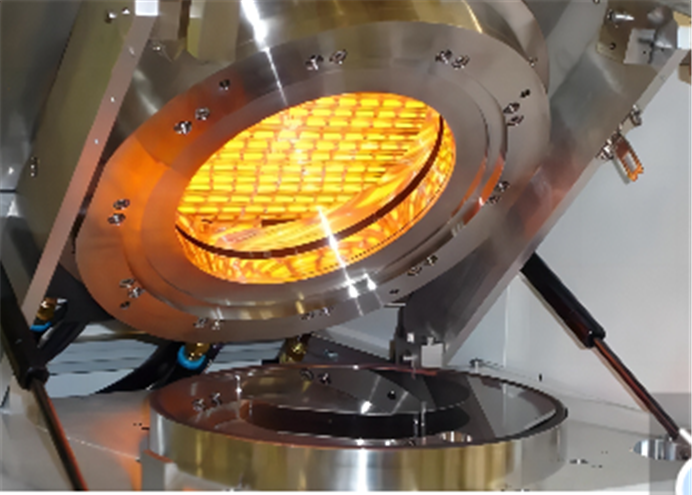
Here’s the thing about standard glass: it can’t handle the heat without breaking down or shedding microscopic particles. We use high-purity quartz envelopes because they stay rock-solid even at peak temperatures. And we stripped out the junk. No adhesives, no organic coatings—none of that stuff that burns off during the first few cycles and ruins your process. We also use short-wave IR radiation. Instead of heating up all the air around the wafer, the heat goes straight into the substrate. Less hot air moving around means fewer particles getting kicked up from the floor. Simple.
The nitty-gritty of the build
We’ve all seen those cheap IR tubes that just burn out. It’s a pain. We avoid that by dialing in the halogen fill and the wall thickness of the quartz. It’s a balancing act between getting enough heat and making sure the lamp actually lasts. But a word of advice: keep an eye on your power density. If you cram a high-wattage lamp into a tiny space, you’re putting a massive thermal load on your brackets. If your cooling isn’t up to the task, you’re going to see your housing warp.
Getting it into your fab
These lamps are designed to be drop-in replacements. You don’t need to rebuild your whole drying module; they just fit. We use precision-machined end caps to keep everything gas-tight, so the internal filament doesn’t oxidize. The result? You get a clean, dry heat source. No metallic ions, no carbon residue, no surprises. For engineers who are tired of fighting random contamination spikes during the drying phase, this is the fix.