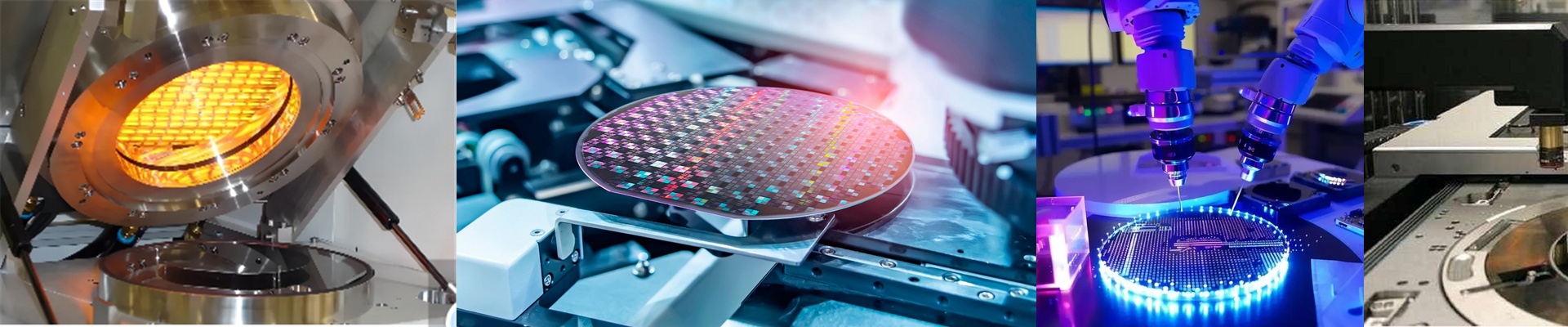

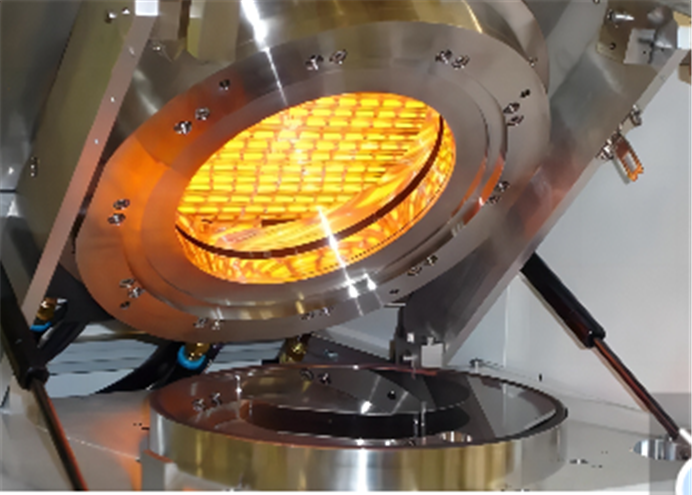
On the fab floor, a 0.5°C drift during photoresist soft bake is enough to turn a whole lot into scrap. Wafer drying falls apart the moment the thermal profile can’t hold across the entire surface. We built PID-controlled semiconductor heaters to kill that variability, with closed-loop infrared control tuned for wafer-level thermal stability. What matters under the hood We pair a fast-response infrared emitter with a high-resolution PID controller, holding plate temperature at ±0.1°C. That gives you repeatable bake profiles across soft bake and hard bake, and across-wafer uniformity that keeps critical dimension control in range. The system fits cleanroom Class 1–100, and the design keeps particle generation near zero by ditching exposed hot filaments and limiting convective turbulence. For process memory, the controller stores multiple recipes and logs temperature traces—audit-ready, no extra work. Why this plays in lithography and drying In lithography, you need a consistent soft bake to set photoresist viscosity and drive out casting solvents without skinning. In wafer drying, you need controlled heat to pull off cleaning agents and stop re-deposition. Our infrared PID approach delivers that repeatability with fast setpoint changes, so cycle times drop and scrap drops with them. Energy use falls because heat comes on demand, not full-time, and the system keeps running shift after shift with minimal unplanned downtime. The setup you can’t skip Infrared heaters demand precise alignment and a clean optical path to stay stable. Plan a short commissioning window to tune PID parameters to your actual load and thermal mass, and make sure your tool interface matches the heater’s connector and control signaling. Once aligned, it performs—but that setup step is non-negotiable.