
Introduction
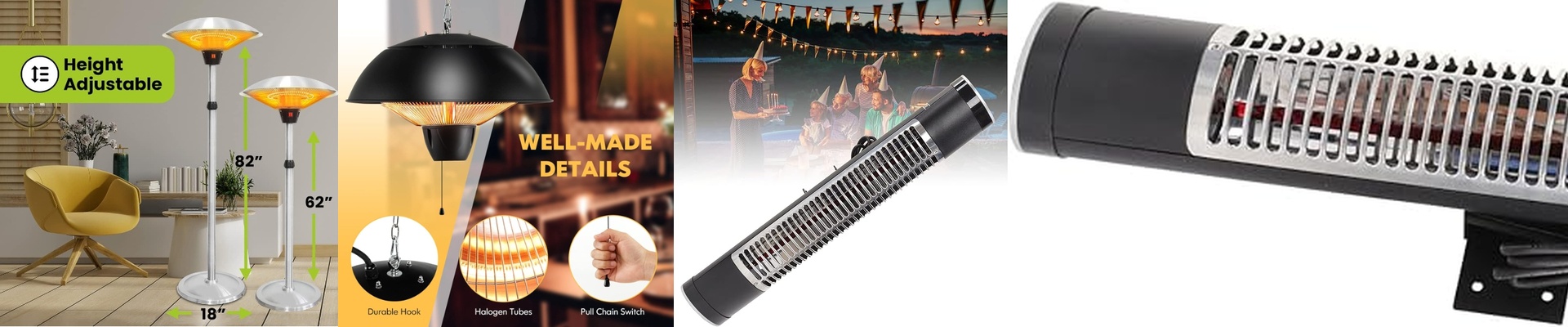
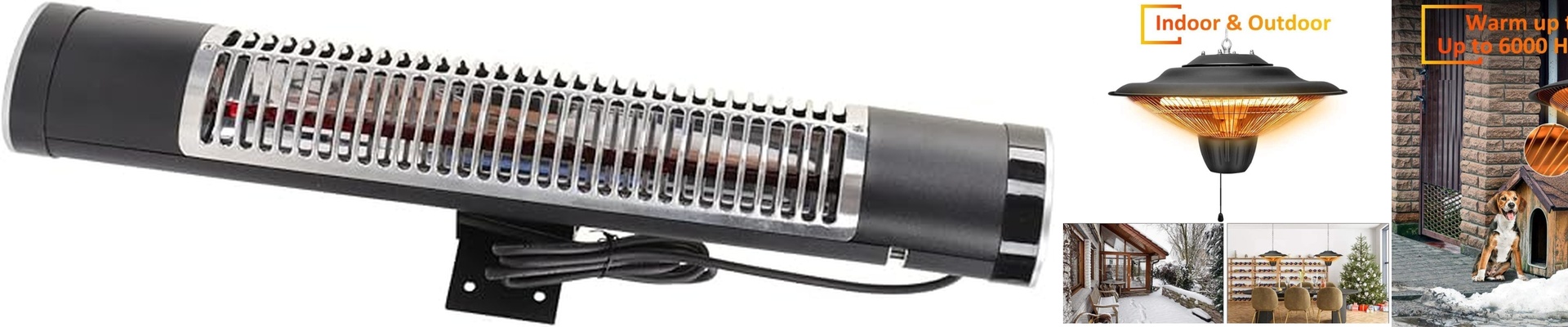
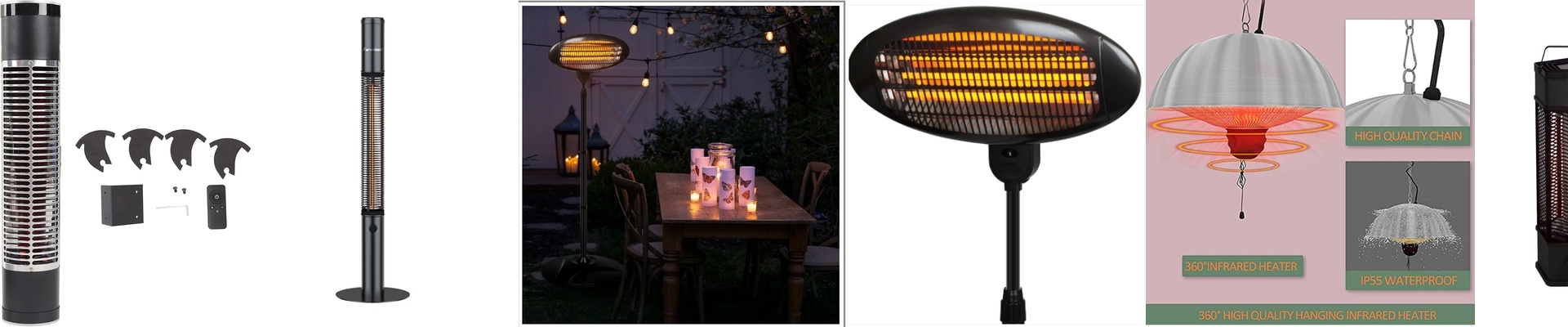
We built these greenhouse heaters with one clear purpose in mind: give your crops targeted warmth exactly where they need it, without turning the whole air into a sauna. The heart of it all? A shortwave halogen infrared lamp. It’s tough enough to run hour after hour in that humid greenhouse air, and it’s designed to give you the precise output and coverage you need for steady climate control.
What Makes It Tick
These heaters are all about packing serious heat into a small footprint. You’ve got options: they run on either 230V or 400V, pulling between 1500W and 2500W. That kind of power lets you cover big bench areas or dense rows of plants without breaking a sweat. And the 300mm tube? It keeps the heat focused. So you’re warming the plants, not the space above them. Smart, right? Matching the voltage to your facility’s supply is key, too. It keeps the current down and stops voltage from dropping off over distance.
The Inside Story
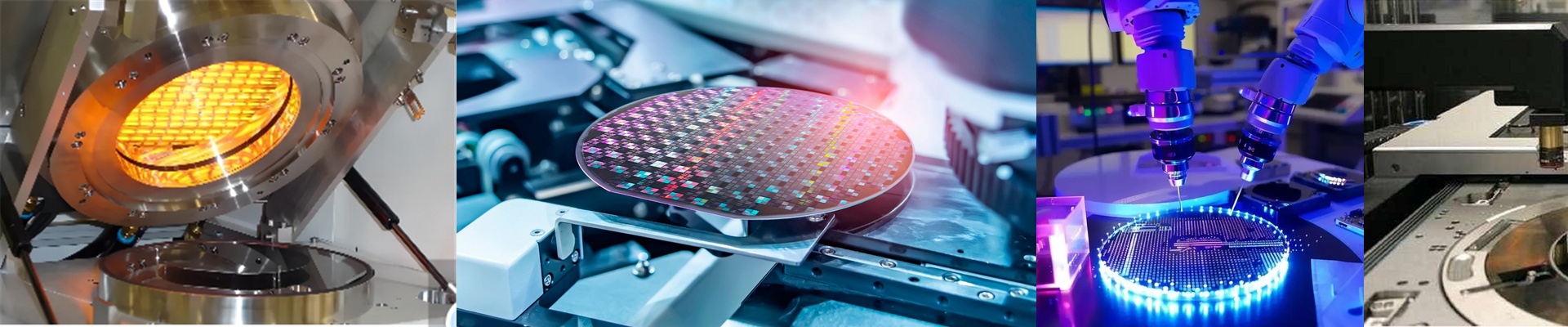
Let’s talk build. The tube itself is quartz, filled with halogen. We chose it because it handles rapid on-off cycling without the filament burnout you get with standard lamps. The internal halogen cycle keeps the element stable, so the output stays consistent over its whole life. The reflector coating is there for one reason: to aim every bit of infrared energy forward. No heat bleeding off to the sides. Just straight, efficient warmth. And the R7s connector? Practical and simple. It locks the lamp in place, handles the current, and makes replacing the lamp a quick, no-fuss job when it’s time.
How It Works for You
Out in the greenhouse, this setup means heat that responds instantly. No long wait to warm up. When a cold snap hits, you can hold your setpoints without missing a beat. The compact tube and focused beam also make mounting over benches and aisles straightforward. Easy to install, easier to live with. Just one thing to keep in mind: because the output is so dense, you need to plan for proper airflow and ventilation. Otherwise, you could run into localized overheating, which can stress plants and nearby equipment.