
Stop letting moisture kill your infrared heaters
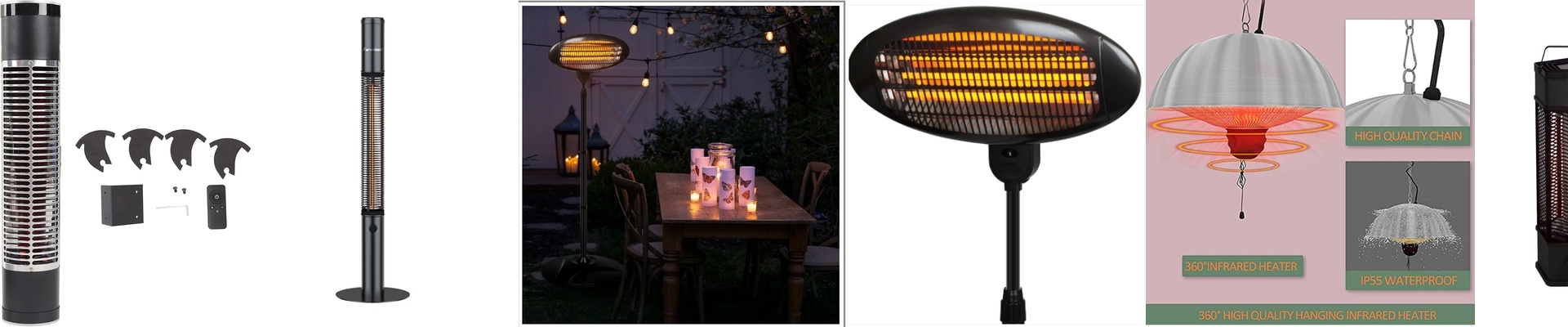
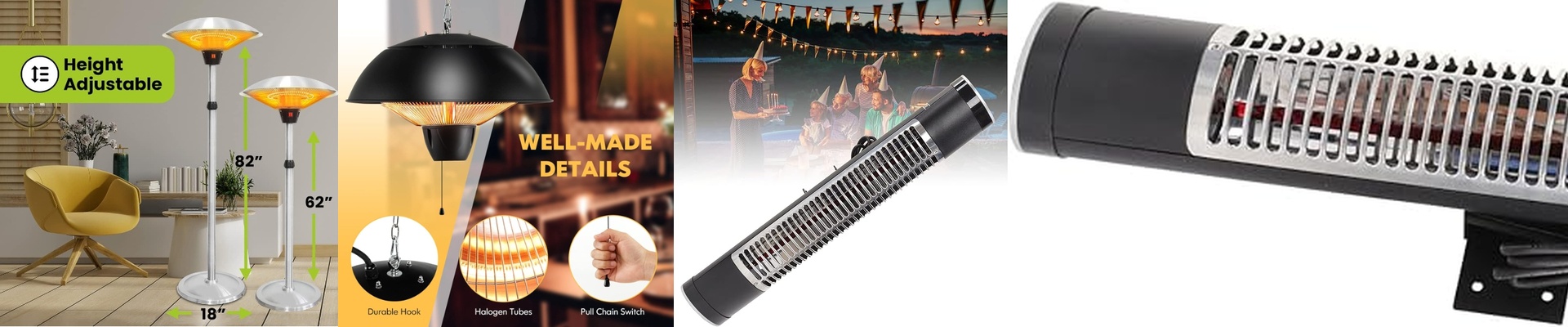
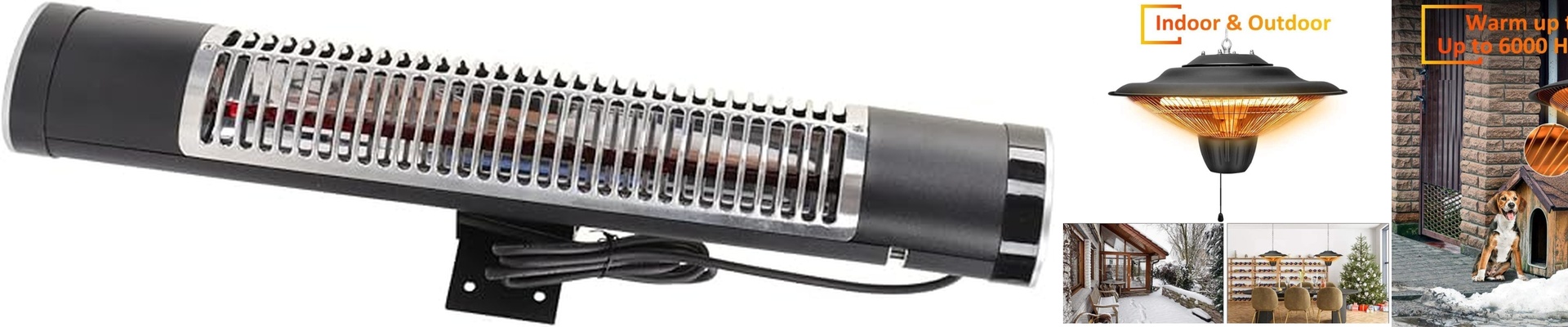
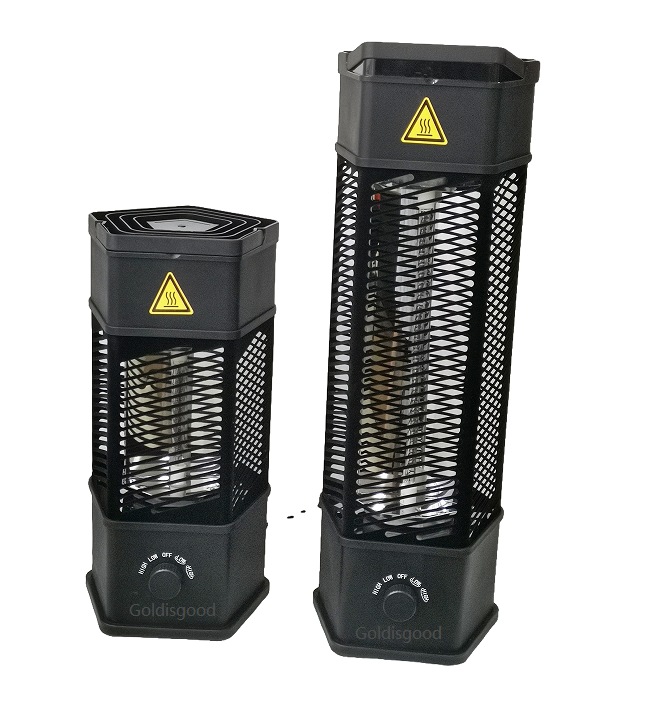
If you’ve ever run an industrial plant, you know the drill. Moisture and condensation are basically poison for infrared heaters. One stray bit of water vapor hits a hot quartz tube or leaks into a terminal, and—pop—you’ve got a short circuit or a cracked tube. It’s a headache nobody needs. That’s why we built our latest series to hit IPX4 standards. We wanted to stop those failures before they even start. How we actually keep the water out An IPX4 rating is just a fancy way of saying the unit can handle splashes from any direction. But how does that actually work? We focused on the “danger zones”—the spots where the wiring enters the housing. We used high-temp silicone gaskets and reinforced seals to block out mist and droplets. Instead of water creeping toward the heating element, it just slides right off the housing. Most heaters fail at the connection points. We made sure those stay bone-dry. Dealing with the fog Then there’s the fog. When you see that haze on the reflector, it’s not just ugly. It actually kills your efficiency. To fix this, we added a special coating to the reflectors so moisture can’t cling to the surface. This keeps the heat focused exactly where it needs to go and stops those annoying “hot spots” that happen when water builds up on the mirrors. The honest trade-offs Look, nothing is perfect. Adding these seals makes the unit a little bulkier than a cheap, open-frame heater. And here’s a tip: you’ve got to get your ventilation right. Because the housing is tighter to keep water out, heat can build up inside the casing. If you don’t spec your airflow to handle that extra load, you’re just trading one problem for another by wearing out your internal wiring. But if you’re working in a wash-down area or a plant that feels like a sauna, these are a lifesaver. They’re a simple drop-in replacement for those standard heaters that seem to burn out the second things get damp.