
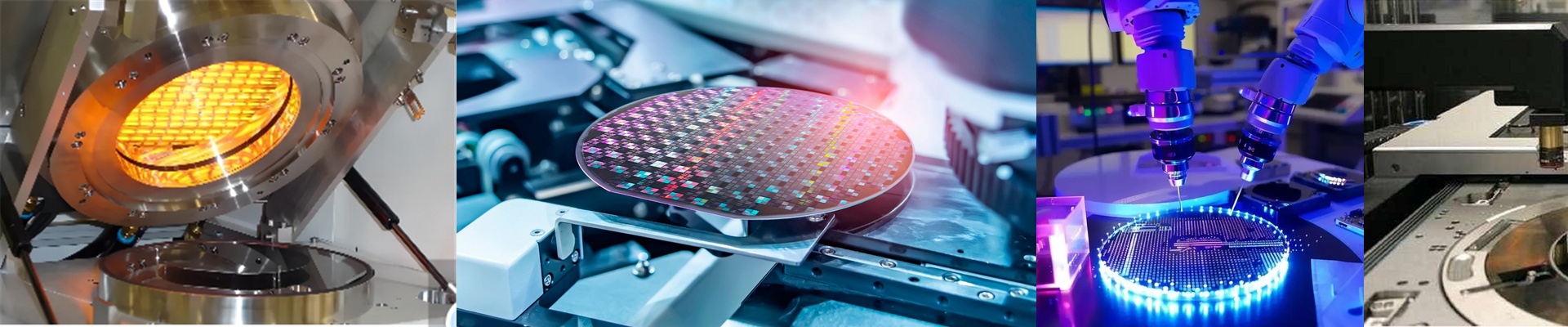
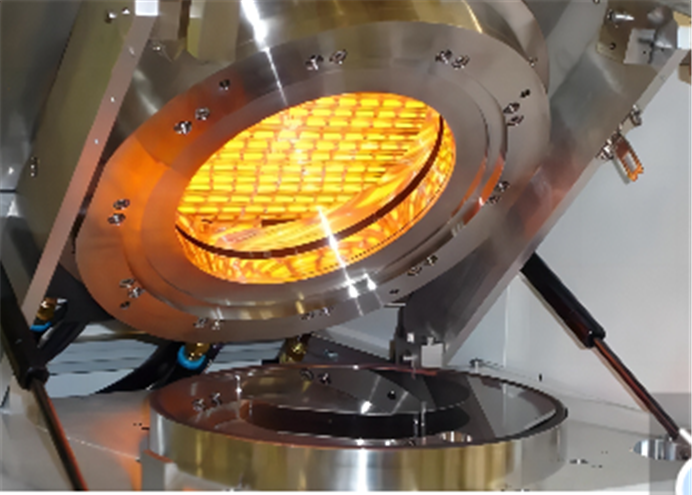
On the fab floor, every joule you spend on drying is a joule you can’t spend on process margin. Traditional dryers tend to overshoot to make up for thermal lag, and that wastes power while putting photoresist profiles at risk. We built a drying platform to cut that waste and still keep lithography-grade thermal control. What matters, technically We run medium-wave infrared emitters with a closed-loop thin-film sensor array to hold setpoint stability at ±0.1°C across the wafer. That gives you repeatable soft bake and hard bake profiles, and tighter CD control. The unit runs on 230 VAC, has a compact footprint, and the emitter array is modular so you can swap modules quickly during PM. Cleanroom behavior is baked in: Class 1–100 operation with zero particle generation, verified by in-line monitoring. Energy use drops because response is fast and overshoot is minimal, so your thermal budget stays tight. Why it works in practice Drying isn’t just about pulling solvents out. It’s about stabilizing the film before exposure and before the track couples in. With this platform, you keep process latitude while cutting energy per batch. Wafer-level uniformity helps reduce edge-bead issues and residue, which means less scrap and rework. We’ve seen it hold up on 24/7 lines with zero unplanned downtime across multi-shift operation, and the bake-profile repeatability makes qualification cleaner across products and nodes. What you need to know up front Retrofit comes down to matching the existing track interface and confirming exhaust amperage. Expect a short commissioning window to tune the PID map to your chamber geometry and solvent load. Once that’s set, you’ve got a direct, energy-efficient option that meets international equipment standards and provides a validated, equivalent replacement path for legacy drying modules.