

The Real Reason Your Infrared Heaters Keep Dying
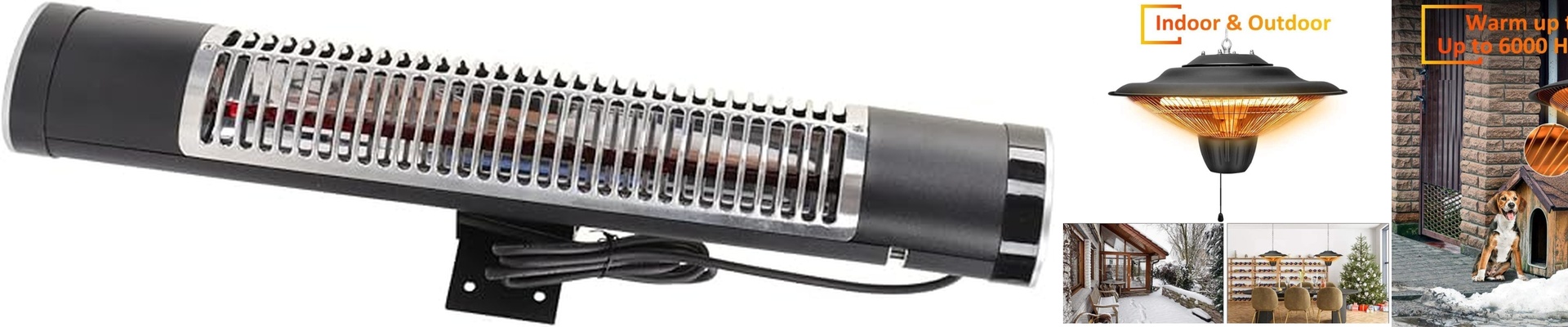
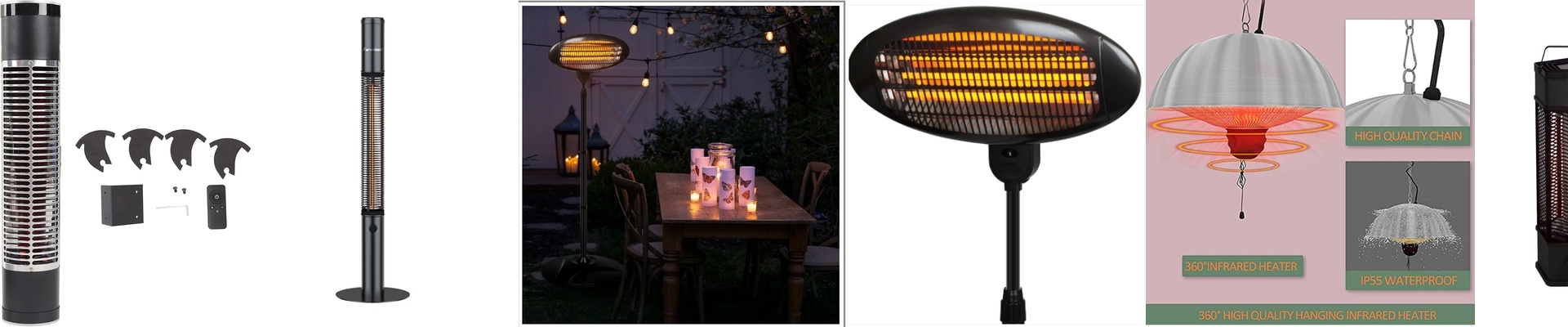
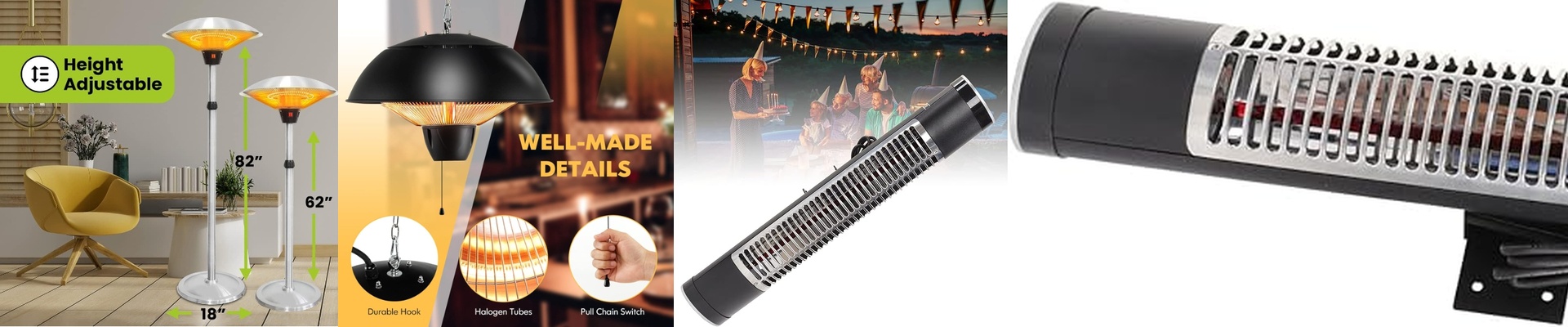
Here’s a little secret about infrared towel rails: it’s rarely the heating element that gives up. Usually, the element is just fine. The real trouble happens right where the lead wire meets the quartz tube. Think of it as a bottleneck. Heat doesn’t just stay in the tube; it creeps backward toward the wiring. If that seal isn’t absolutely airtight and insulated, the wire insulation starts to cook. It burns, turns to carbon, and eventually—pop—you’ve got a dead short and a heater that won’t turn on. The problem with the cheap stuff You’ll find a lot of mass-market heaters that use basic glue or some low-grade silicone. In a world where things hit 200°C, that stuff just doesn’t hold up. It shrinks. It cracks. Once air gets into that internal connection, oxidation takes over. I see this all the time with “generic” builds where the wire is basically just shoved into a sleeve. The wire becomes brittle, and as the metal expands and contracts with the heat, it simply snaps. How we actually fix it We don’t just slap some glue on it and hope for the best. We use a multi-stage process. First, we use high-temp ceramic adhesives. Then, we add specialized heat-shrink sleeves that are built to handle peak temperatures without breaking a sweat. This creates a total seal that locks out moisture and oxygen. Plus, we make sure the transition zone is physically moved away from the hottest part of the element. It’s all about managing the heat flow so the wire insulation stays cool enough to actually do its job. One thing to watch out for There is a trade-off, though. Because this seal is so tight and sturdy, the lead wire is a bit more rigid. You can’t just bend it at a sharp angle during installation. If you force a tight kink in the wire, you risk cracking that seal. Give the wire some room to breathe. A little bit of slack goes a long way in making sure your heater lasts for years instead of months.