
Introduction
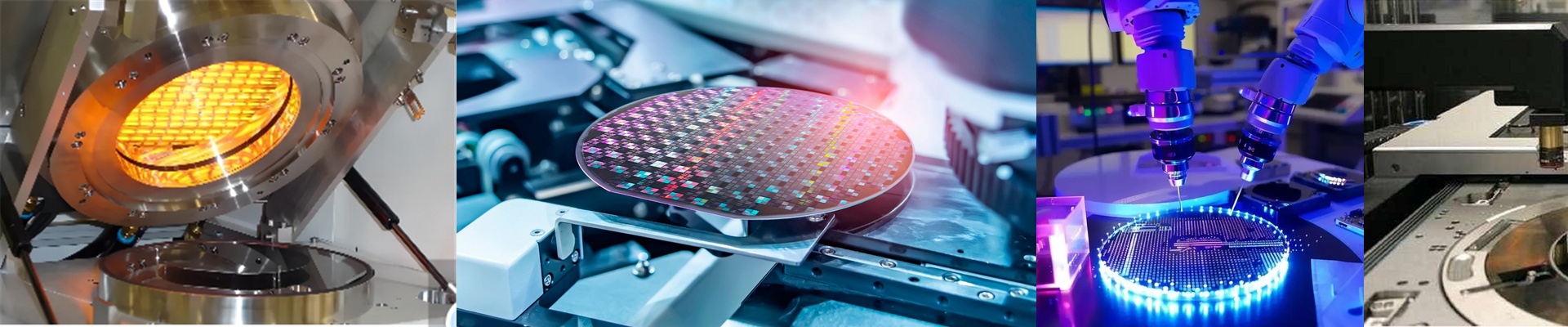
When you’re working on the deep end of semiconductor processing, getting carbon nanotubes right comes down to one thing: controlling heat—fast and precisely. We built infrared heating systems to make that switch happen. No more waiting around for slow, bulky hot air systems. We wanted to save you time, cut the guesswork, and make the whole process feel cleaner and more consistent.
The Real-World Tech
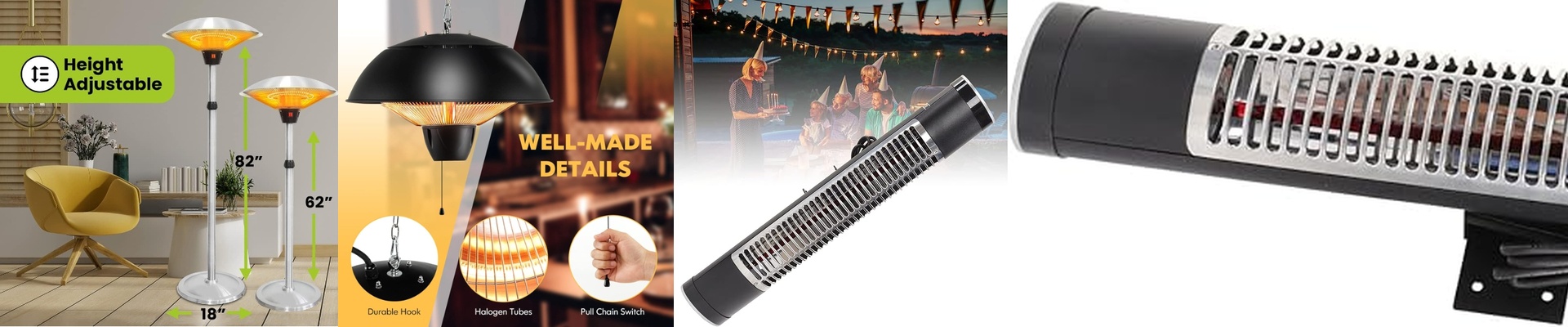
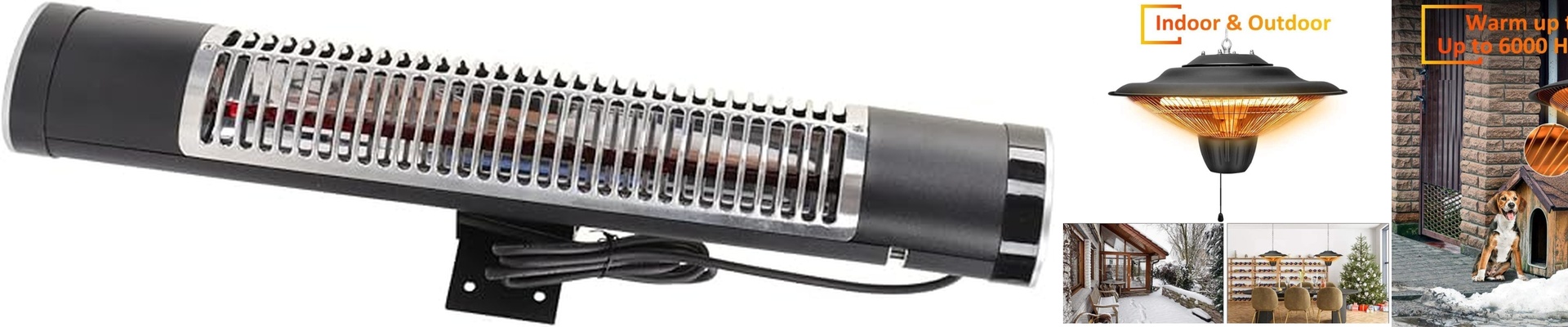
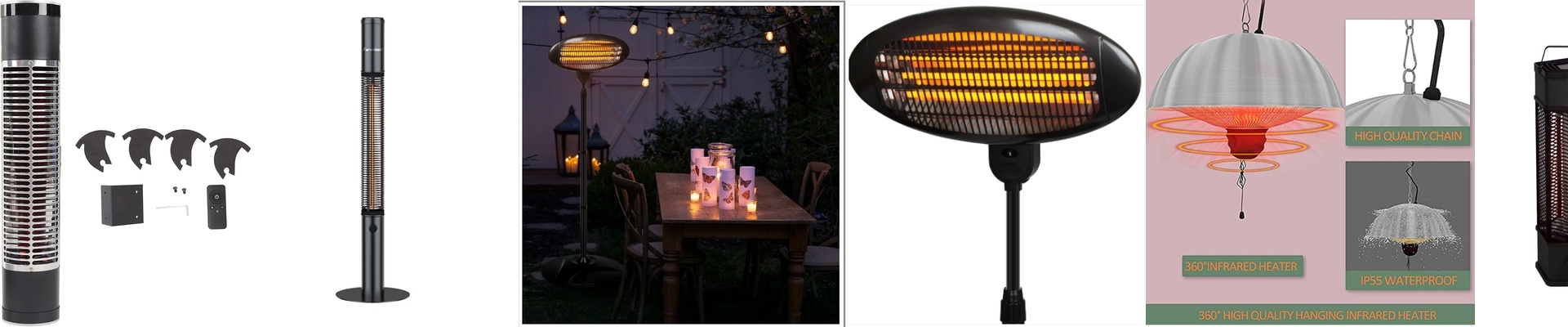
Here’s the heart of it: we spec these infrared heaters for serious power density. You plug in at 400V and get 2500W of output packed into a slim 300mm tube. That shape focuses the energy exactly where you need it—right on the target—instead of wasting heat warming the whole chamber. What does that feel like on the floor?**Fast ramp-up.**Minutes shaved off every cycle. You get more throughput without needing a bigger machine. But with that kind of power comes a trade-off: heat has to go somewhere. The electronics and fixtures nearby can’t cook, so you need a solid cooling plan from the start. Plan the heat rejection up front, and the system runs smooth.
What It’s Made Of
Inside, you’ve got a shortwave halogen element sitting in a quartz envelope. Quartz is great here because it lets infrared through easily and handles sudden temperature swings without cracking. The outer coating is there to keep emissivity steady and keep contamination from messing things up. For connections, we use R7s and SK15. They hold solid contact, handle the current, and make replacement quick—no tools needed. On the shop floor, that means when a lamp goes, you swap it and get back to work. Fast.
Why It Works in CNT Fabrication
In CNT work, infrared beats hot air on time because it delivers energy straight to the point. You don’t have to heat a huge volume of air and wait for it to even out. The heater jumps to temperature fast, then holds steady. That means shorter cycles and a more stable yield. And for engineers, it’s meant to be a simple upgrade. The compact tube fits into existing setups, and the connectors keep wiring straightforward. You end up with faster processing, less wasted energy, and maintenance that doesn’t eat up your day. When you’re moving into advanced semiconductor processing, infrared heating is the practical way to save time—without making your life harder.