

Commercial property owners are stuck in a familiar bind: keep people comfortable, but keep the energy bill from running away. When the heating system is inefficient, you feel it twice—through higher costs and a weaker ESG profile that can hurt financing and tenant interest.
What matters under the hood
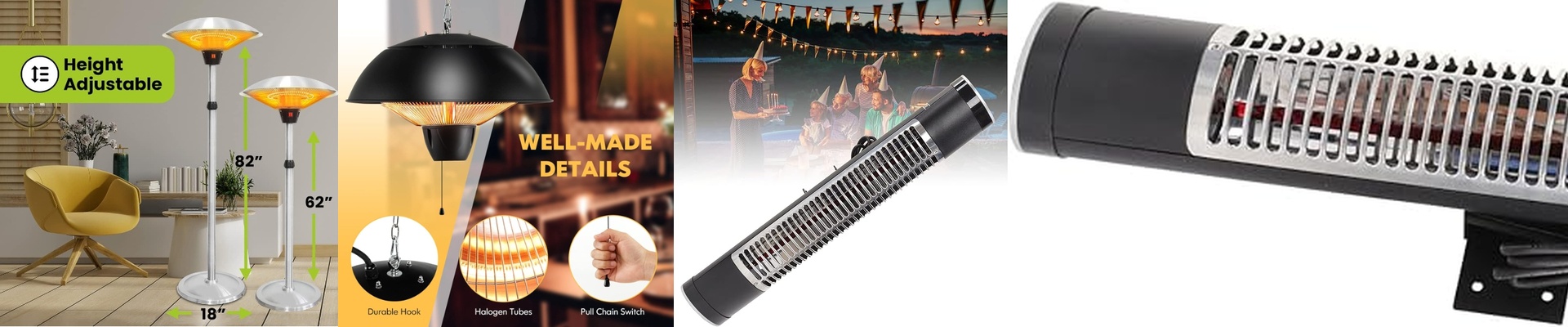
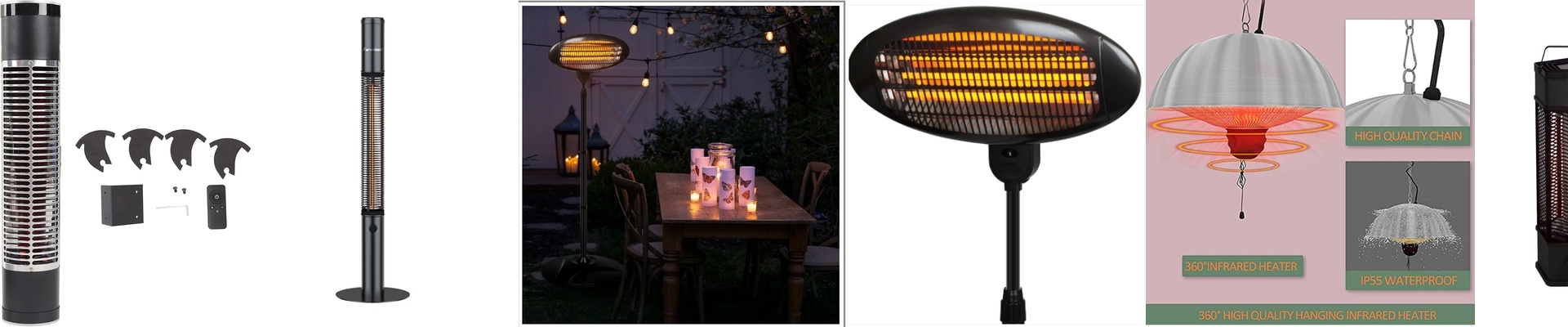
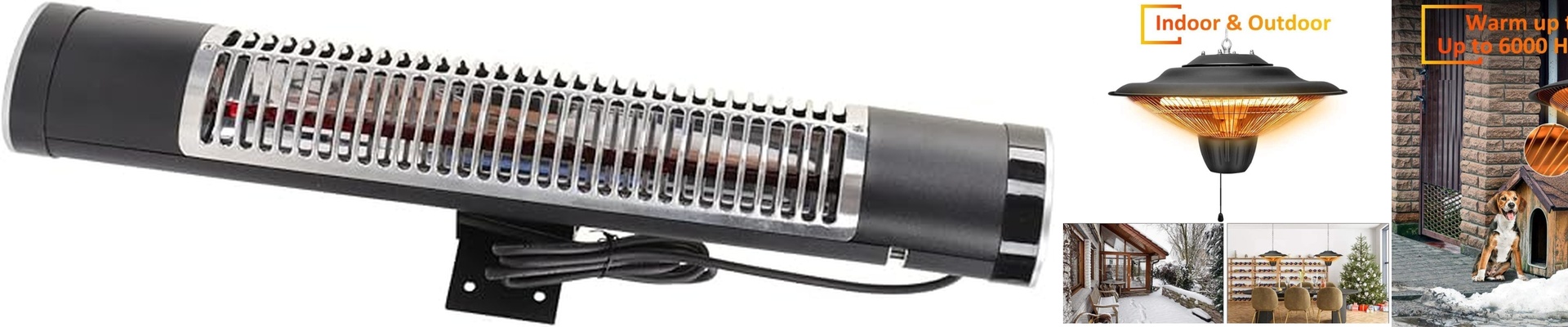
We built our decorative space heaters around medium-wave infrared, because radiant heat warms people and objects directly, not the air. In lobbies, corridors, and transition zones—the places where drafts and cold floors make forced-air feel sluggish—that translates to faster comfort recovery. The core emitters use durable quartz elements, chosen for stable output and long life. The practical payoff is targeted warmth with a lower overall energy draw, since heat goes where it’s needed, when it’s needed.
Why this makes sense in commercial real estate
Comfort is only part of the equation. An efficient infrared heater cuts total energy use in hard-to-condition areas, which supports sustainability goals and can improve a building’s ESG score. Because the warmth is felt almost immediately, you can run the system on demand instead of keeping the entire building air warm. That responsiveness helps steady operating costs and strengthens asset value by improving tenant satisfaction and retention.
The details that make it work
Infrared heating performs best in spaces with normal ceiling heights, and when the emitters have a clear line of sight to the occupied zone. It’s not a replacement for full-building heating in very cold climates, and it shines when paired with a simple thermostat or occupancy control. Installation is straightforward. Electric models need proper circuit sizing and a dedicated outlet—but placement matters. Plan for even coverage, and keep clearances around each unit to maintain airflow and safety.