


Glass-walled attics and sunrooms look great, but they work against you. Heat rises and bleeds right out through the glazing, so the space stays chilly even when the rest of the house is warm. You try air-moving space heaters, and the warmth disappears the second the fan shuts off. The upshot is a room you just avoid, even on sunny days.
What actually matters, technically
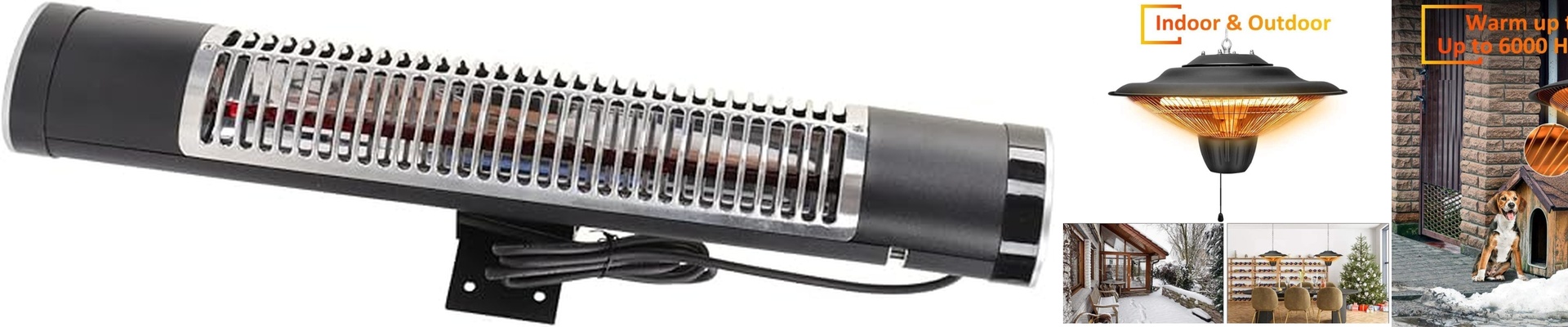
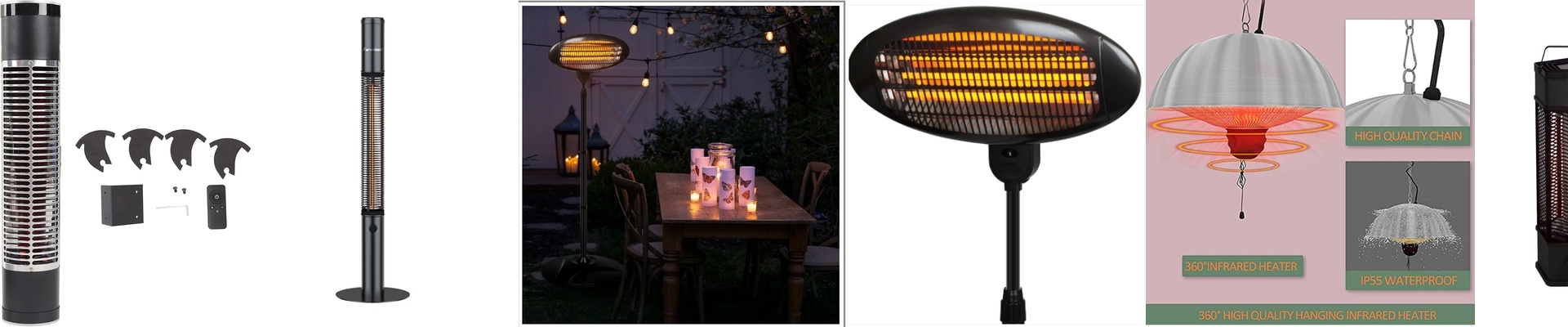
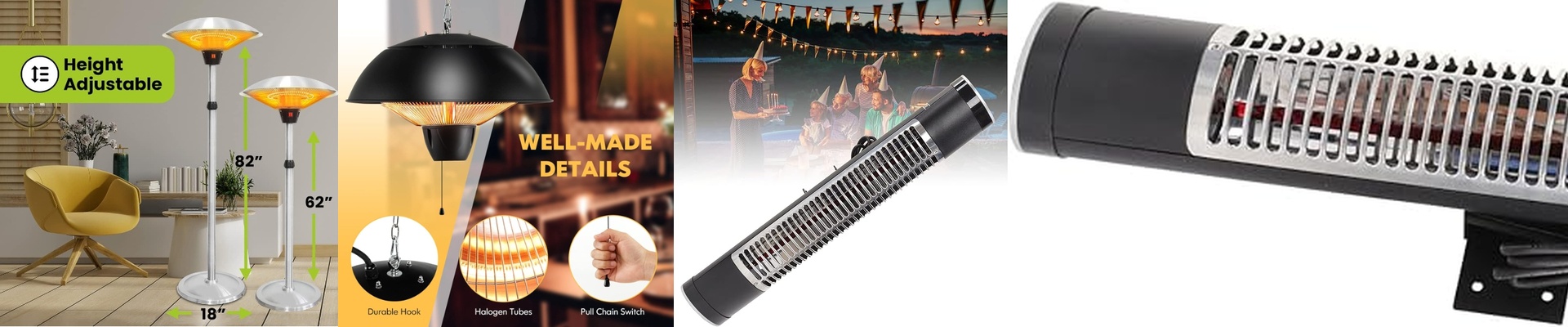
We built this remote-control heater around infrared radiant heat. Instead of heating air, it warms people, floors, and furnishings directly—surfaces that hold heat and keep the room feeling steady. The core is a carbon fiber element paired with a reflector that focuses the output forward, so you feel the warmth where you’re sitting, not just somewhere near the unit. The remote handles on/off plus thermostat settings, so you can set a target temperature and let the heater cycle to maintain it. For safety, it has tip-over protection and overheat protection. It runs quietly—no fan noise—and the radiant heat starts within seconds of startup.
Why this approach fits glass-heavy spaces
In an attic or sunroom, the big problem is constant heat loss through the glass. Radiant infrared heats objects first, so your skin, furniture, and flooring absorb warmth even while the glass keeps trying to pull it away. That means you can hold a comfortable temperature without having to overheat air that immediately escapes. With the remote, you can adjust from across the room, so you don’t have to get up and chase the setting. The result is steadier comfort, fewer drafts, and a space that feels usable on cooler mornings and evenings.
What you need to know before you set it up
Placement matters. For the best results, mount the heater at a height and angle that directs infrared warmth toward the main seating area, and keep clearances clear of curtains and furniture. The remote is line-of-sight, so keep the controller within view of the heater. Because this is radiant heat, the room will feel different than with forced-air units: you’ll notice warmth on surfaces and skin first, while the air may not feel as warm. That’s normal—and it’s exactly how radiant heat delivers comfort efficiently. If you want even coverage, consider adding a second unit to balance output across a larger glazing area.