
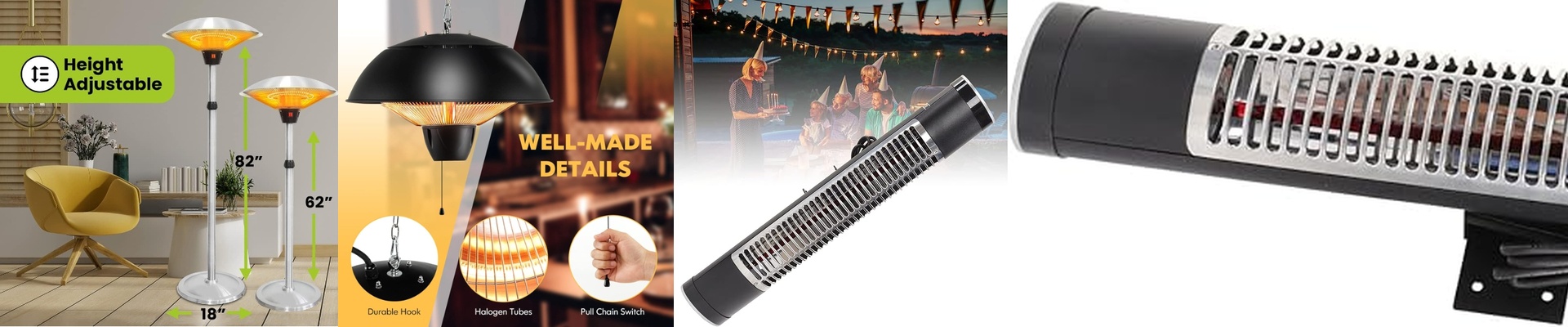

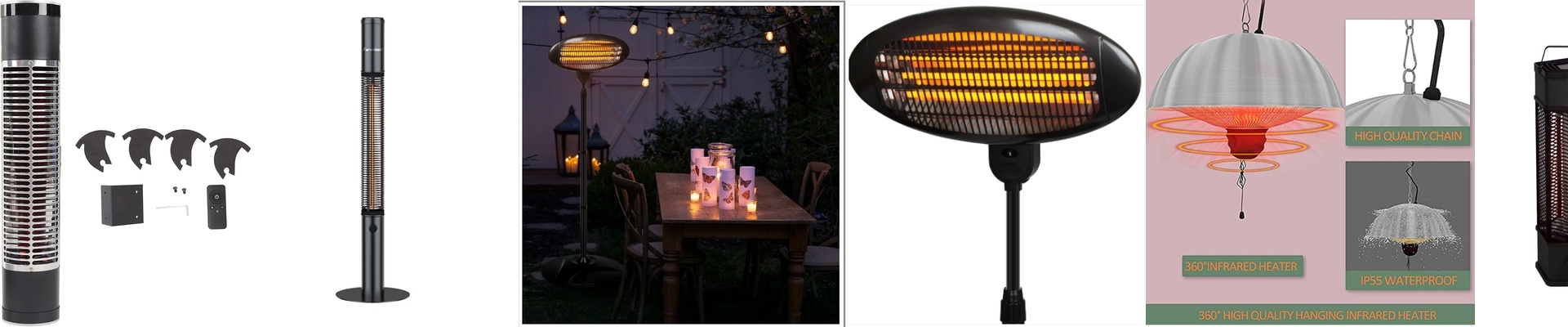
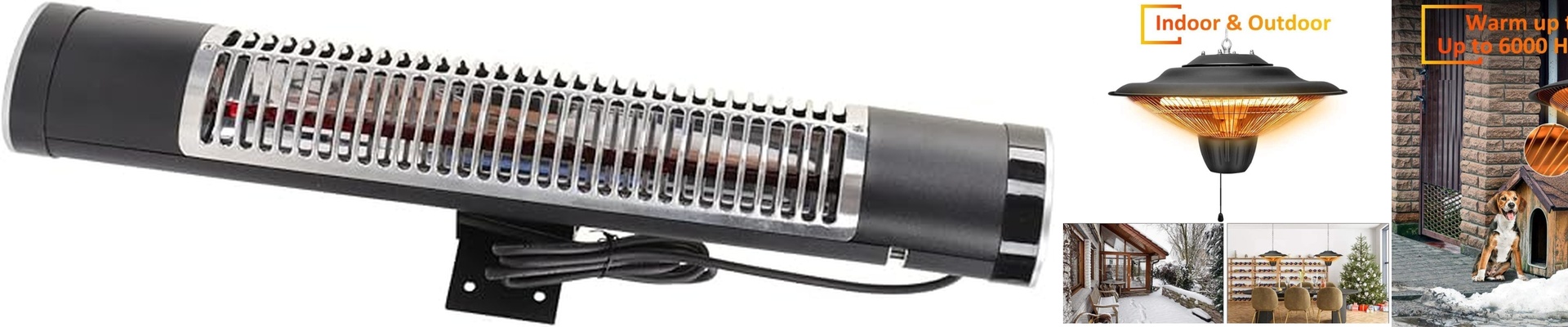

Step into a cold workshop or a drafty outdoor space, and you know the problem. Conventional heating feels slow and wasteful. Warm air rises, drafts steal it, and you’re left heating the space instead of the person. An infrared heater flips that script. It warms objects and skin directly, so comfort hits the moment it turns on—no waiting around for the room to “fill up.”
What actually matters, technically
Infrared warmth is radiant heat, plain and simple, not convective. A low-wattage infrared unit runs on a quartz tube or a carbon fiber element, emitting short-wave or medium-wave infrared energy. That energy travels outward at the speed of light and gets absorbed by people, floors, furniture, and equipment—just like sunlight on a cool day. The payoff: you feel warm, not the air. Many models stay around 1,200–1,500 watts, so circuit loads stay manageable, yet the perceived comfort is high because the heat lands where you need it.
Why it makes sense in these spots
In big rooms or partially open outdoor areas, trying to heat the whole volume is expensive and rarely even. Infrared heating zeroes in on the spots you actually occupy, cutting wasted heat and sidestepping cold corners. You get faster comfort, steadier local warmth, and fewer on/off cycles. For workshops, patios, and three-season rooms, that means fewer drafts, less heat loss through ventilation, and more consistent comfort where you stand or sit.
The practical stuff
Place infrared heaters to aim at people and the surfaces that matter, not just tucked in a corner. They work best when the line of sight is clear—walls, ceilings, and objects absorb and re-radiate warmth, but obstructions cut effectiveness. And here’s the thing: the heat feels immediate, but the surrounding air may not warm up much. On very cold nights, pairing with a gentle background heater can make a real difference. Always follow clearance requirements, plug into a grounded outlet, and pick a model with tip-over protection and an IP rating that matches the environment.