
Municipal buildings—libraries, community centers, lobbies—are tough to heat efficiently. You’ve got systems that warm the air, then you open a door and it all goes out the window. The bill keeps climbing, the temps are uneven, and the complaints start rolling in. Switch to wall-mounted infrared heaters and you flip the script. You stop chasing air and start delivering warmth where people actually stand.
What’s under the hood
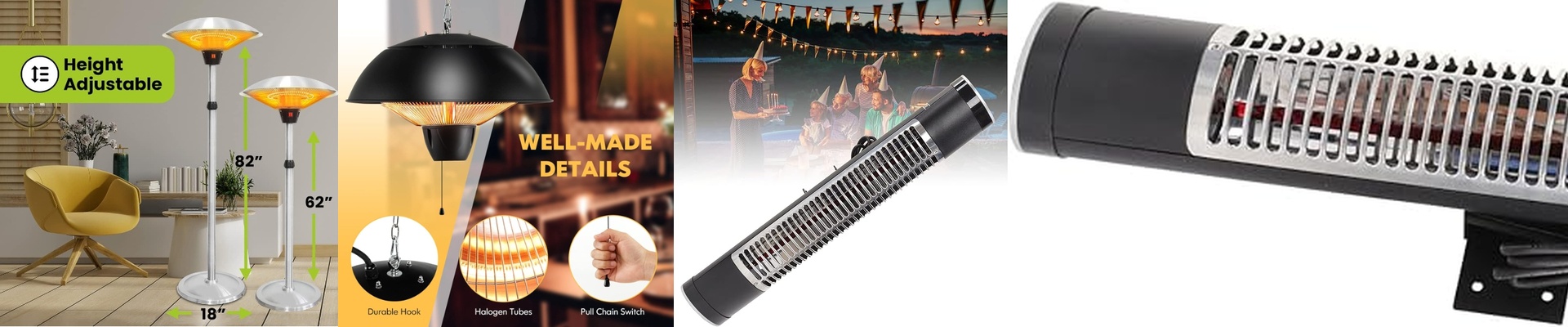
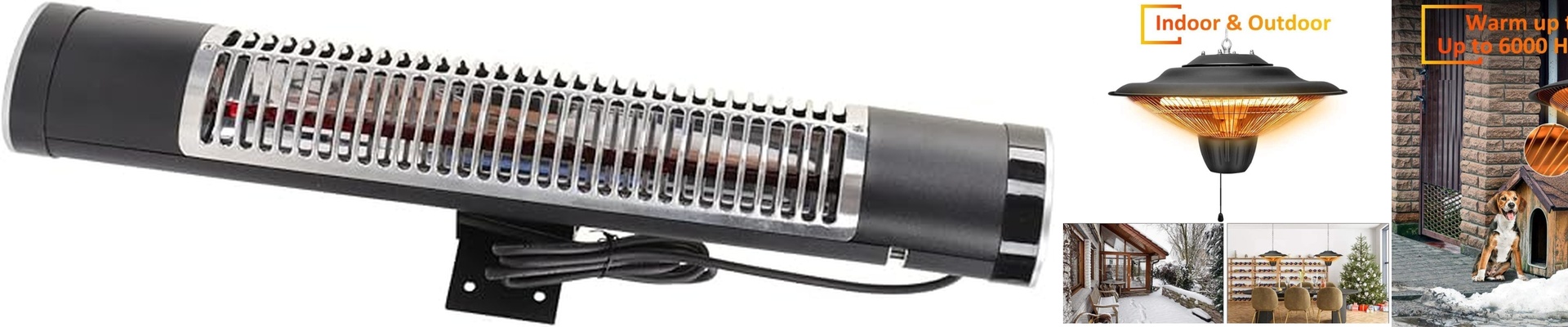
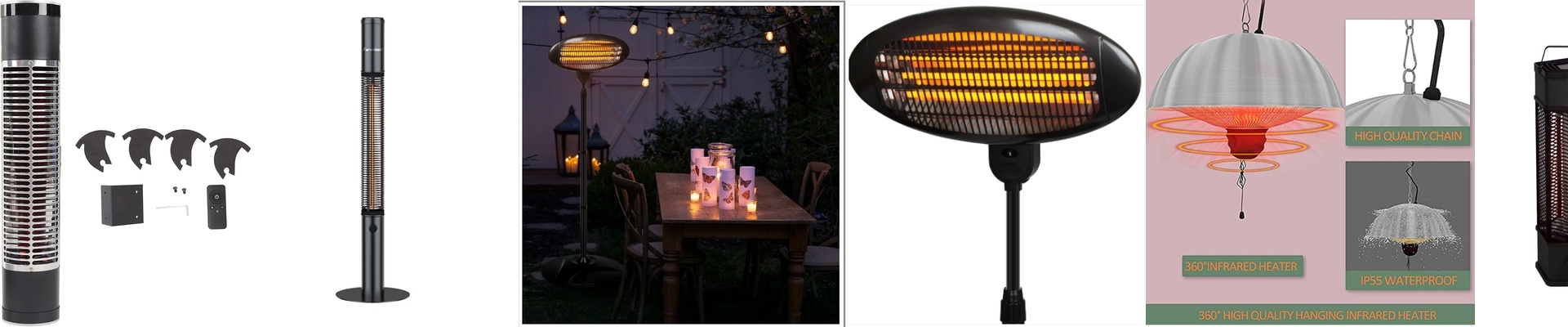
We build these around radiant heat, not warm air. Inside, a carbon fiber element sits in a quartz tube and throws short-wave infrared. That energy travels in a straight line and heats solid objects—floors, desks, people—directly. The payoff is immediate. Heat hits within seconds of turning the unit on. No waiting around for the room to “catch up.” For large public rooms, you can spec output around 4.8 kW, 240 V, hardwired for steady, continuous duty. A built-in thermostat holds the setpoint, so the heater cycles less and only draws power when it needs to.
Why this works in public spaces
Public spaces need two things: comfort and cost control. Infrared warmth keeps people comfortable even when the air temperature is a few degrees lower, because the body feels the heat directly. That lets you back off the building’s overall thermostat and let the infrared heaters spot-fix the cold zones. The savings show up fast—fewer kilowatt-hours during peak hours, less heat lost through ventilation, and fewer complaints that lead to manual overrides. Maintenance is easier, too. No blower motor. Fewer moving parts means service calls are shorter and less frequent.
The practical details
Installation is straightforward: mount the bracket to a wall that can handle the unit, hardwire the power, and set the thermostat. But placement matters. Don’t mount directly over seating where the radiant beam can feel too intense, and keep clearances clear for safety. In humid areas like entryways, confirm the IP rating is suitable for damp conditions. Infrared heats people and surfaces directly, so drafts are less noticeable. Just keep in mind that air temperature can feel a bit cooler a few feet away from the beam.